
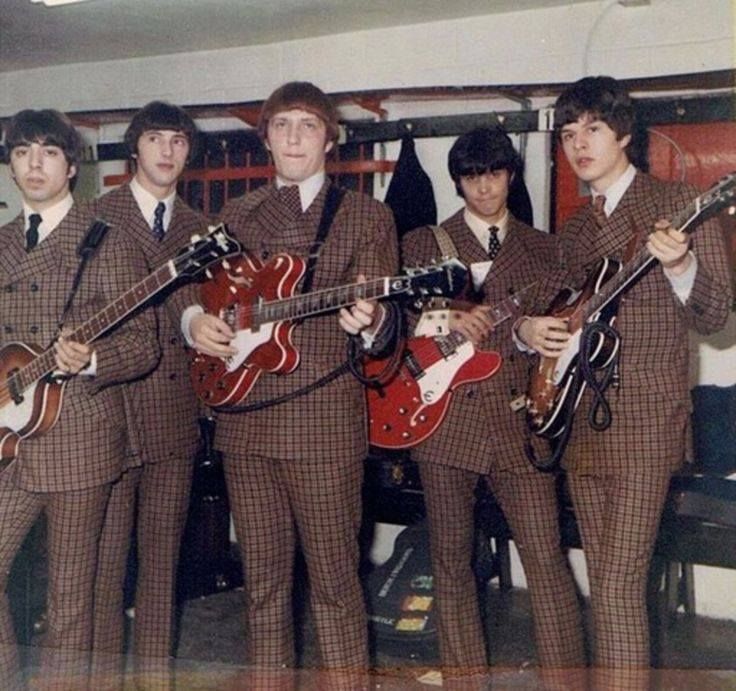
A joyful melody hiding the loneliness of modern love — “Kind Of A Drag” captured the quiet heartbreak of the 1960s with a smile that still feels strangely familiar today.
There are songs that explode with emotion… and then there are songs like “Kind Of A Drag” by The Buckinghams — records that drift gently into your memory until one day you realize they never truly left. Released in late 1966 and reaching No. 1 on the Billboard Hot 100 in February 1967, the song became one of the defining soft-pop hits of its era. It also climbed high internationally, giving the Chicago-based group a sudden and unforgettable breakthrough during one of the most competitive periods in popular music history.
And what makes that achievement remarkable is this: “Kind Of A Drag” arrived at a time when the charts were overflowing with giants. The British Invasion was still dominating radio. Psychedelia was beginning to reshape rock music. Soul music was evolving rapidly. Yet this modest, melancholy little tune about emotional disappointment quietly slipped through the noise and connected with millions.
Perhaps because it sounded honest.
Written by songwriter James Holvay, the song was inspired by the weary emotional confusion that follows romantic uncertainty — not dramatic betrayal, not cinematic heartbreak, but the quieter sadness of feeling emotionally stranded while trying to hold onto dignity. That subtle emotional tone became the secret of the record’s power. Unlike many heartbreak songs that begged or exploded with pain, “Kind Of A Drag” simply sighed.
“Kind of a drag when your baby don’t love you…”
Even the title feels understated, almost conversational. That was part of its magic. The song sounded like something a real person might quietly admit late at night after everyone else had gone home.
Musically, the record sat perfectly between pop accessibility and sophisticated arrangement. The horn section gave it warmth and movement, while the gentle groove carried traces of jazz-pop and blue-eyed soul influences that separated The Buckinghams from many of their contemporaries. Their sound often drew comparisons to bands like Chicago years before jazz-rock horns became mainstream in American pop radio.
Lead vocalist Dennis Tufano delivered the lyric with remarkable restraint. He never oversang the sadness. Instead, he allowed the melody to float naturally, almost casually, which somehow made the loneliness hit harder. There is a maturity in that performance that listeners often rediscover decades later. The song does not demand tears — it quietly earns them.
Behind the scenes, the success story was equally fascinating. Before this hit, The Buckinghams were still struggling to establish themselves nationally. They had gained local attention in Chicago after winning a television talent competition, but nothing suggested they were about to top the American charts. In fact, their rise was so sudden that the band themselves reportedly seemed surprised by how quickly the song spread across radio stations.
The timing also mattered. America in 1967 stood between innocence and upheaval. The optimism of early-sixties pop was fading, replaced by cultural tension, political anxiety, and changing social values. Yet songs like “Kind Of A Drag” remained deeply human and personal. It reminded listeners that even during turbulent times, ordinary emotional disappointments still mattered. People still drove alone at night. Still replayed conversations in their heads. Still wondered why love sometimes cooled without explanation.
That emotional universality is why the song continues to survive long after many louder hits of the era faded away.
Over the years, “Kind Of A Drag” became more than just a chart-topping single. It became a time capsule of mid-1960s American pop craftsmanship — concise songwriting, elegant production, emotional clarity, and melodies built not for spectacle, but for memory. Listening to it today feels like opening an old photograph album where the colors have softened but the feelings remain untouched.
And perhaps that is why the song still resonates so deeply. It understands something timeless about heartbreak: not every sadness arrives dramatically. Some simply settle quietly into everyday life.
That quiet sadness — wrapped in warm horns, soft harmonies, and a deceptively easy melody — is what turned “Kind Of A Drag” into one of the most enduring records of its generation.
Even now, nearly sixty years later, the song still feels less like a performance… and more like a memory waiting patiently to return.