
A spiritual journey hidden inside a pop record — The Plan was never just an album, but a deeply personal statement about faith, purpose, and the search for meaning beneath fame.
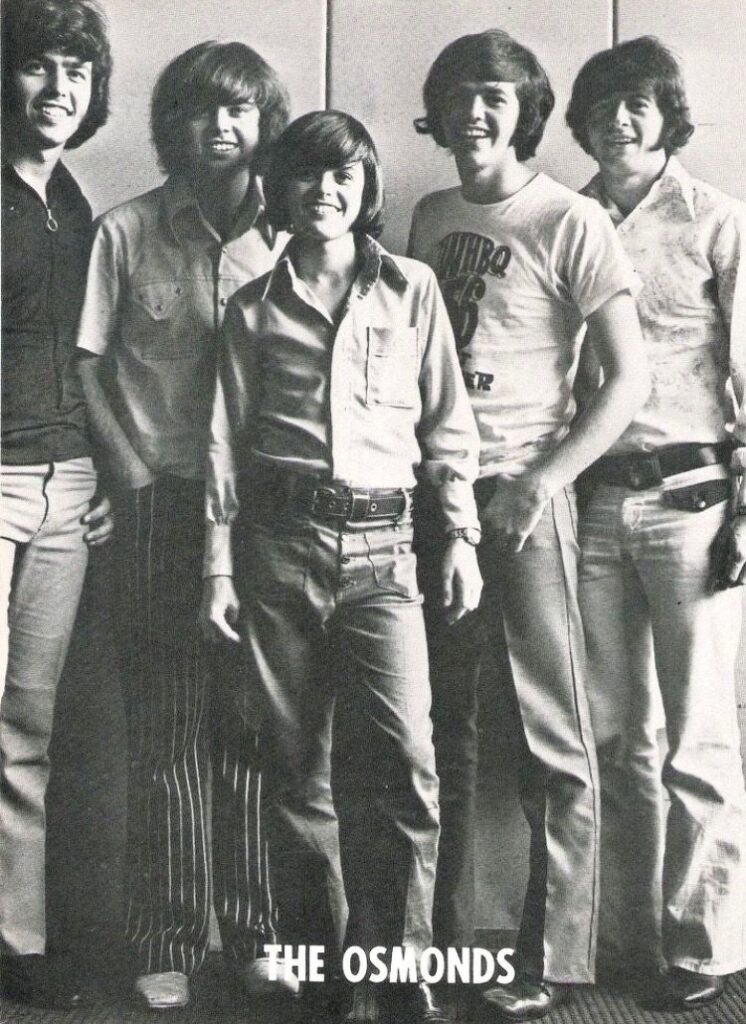
When people remember The Plan by The Osmonds, they often remember it as the moment the family group stepped furthest away from the cheerful image that had made them international stars. Released in 1973 at the height of Osmondmania, the album surprised many listeners who expected another collection of polished pop hits. Instead, what arrived was something far more ambitious, reflective, and spiritually driven — a concept album shaped largely by Alan Osmond and deeply influenced by the family’s beliefs and questions about humanity’s future.
The promotional piece known as “The Plan Medley (Promo)” condensed the album’s emotional and philosophical core into one dramatic presentation. More than a simple advertisement, the medley worked almost like a doorway into the album’s larger narrative. It carried listeners through fragments of songs that explored confusion, pride, spiritual emptiness, redemption, and ultimately hope. Even decades later, there is something startlingly sincere about it. At a time when much of early-70s pop was chasing trends, glitter, or radio formulas, The Osmonds were attempting to say something bigger.
Commercially, The Plan performed respectably but not spectacularly compared to the group’s earlier blockbuster releases. In the United States, the album reached the Billboard Top 60, peaking around No. 58 on the Billboard 200 chart in 1973. While that may have seemed modest beside the enormous success of earlier hits like “One Bad Apple” or “Crazy Horses,” the album gradually earned something perhaps more lasting: respect from listeners who recognized its ambition. Over the years, many fans and critics have come to view it as one of the most fascinating and misunderstood projects of the Osmonds’ career.
The story behind the album is inseparable from Alan Osmond himself. Often overshadowed publicly by younger brothers like Donny Osmond, Alan was in many ways the intellectual and spiritual architect of the group. He envisioned The Plan as a musical exploration of humanity’s journey through life — temptation, ego, materialism, faith, and salvation. The album reportedly drew inspiration from the family’s Mormon beliefs, though its themes were broad enough to resonate beyond religion. What made the project unusual was its seriousness. This was not a casual pop experiment. Alan believed deeply in the message he was trying to communicate.
That sincerity can be felt throughout the medley itself. There is an urgency in the music, a sense that the group wanted listeners to stop for a moment and truly think. Songs like “Before the Beginning,” “Mirror, Mirror,” and “The Last Days” were layered with symbolism and philosophical questions. The production moved between progressive rock textures, orchestral passages, heavy guitars, and soft harmonies. In many ways, it reflected the era’s fascination with grand concept albums — echoes of progressive rock, spiritual rock operas, and ambitious storytelling records that were becoming popular during the early 1970s.
Yet what makes The Plan Medley (Promo) emotionally powerful today is not merely its ambition. It is the vulnerability behind it. By 1973, The Osmonds were already living inside an exhausting cycle of fame, touring, television appearances, screaming fans, and commercial expectations. Beneath the polished image, there were young men trying to understand their own identities and beliefs while the world treated them as teen idols. This album became a rare glimpse beneath the surface.
Listening now, one can almost hear the tension between innocence and experience. There is still optimism in the harmonies, still the unmistakable warmth of the Osmond family sound, but there is also a shadow running through the music — uncertainty about where society was heading, uncertainty about fame itself, uncertainty about what truly matters once applause fades away. Those themes give the medley a surprising emotional weight decades later.
Perhaps that is why the album has aged so differently from many pop releases of its era. Records designed purely for the charts often remain trapped in their time. But albums built around genuine conviction tend to grow more interesting with age. The Plan may not have produced the massive radio hits that casual listeners expected, yet it revealed artistic courage. It showed that The Osmonds wanted to be more than entertainers; they wanted to communicate something meaningful.
Today, the medley feels almost like a forgotten message from another era — a reminder that even artists associated with bright television smiles and commercial success sometimes carried far deeper thoughts beneath the surface. And in that sense, The Plan Medley (Promo) remains one of the most revealing chapters in the entire Osmond story: thoughtful, ambitious, imperfect, deeply human, and filled with the kind of searching spirit that lingers long after the music ends.