
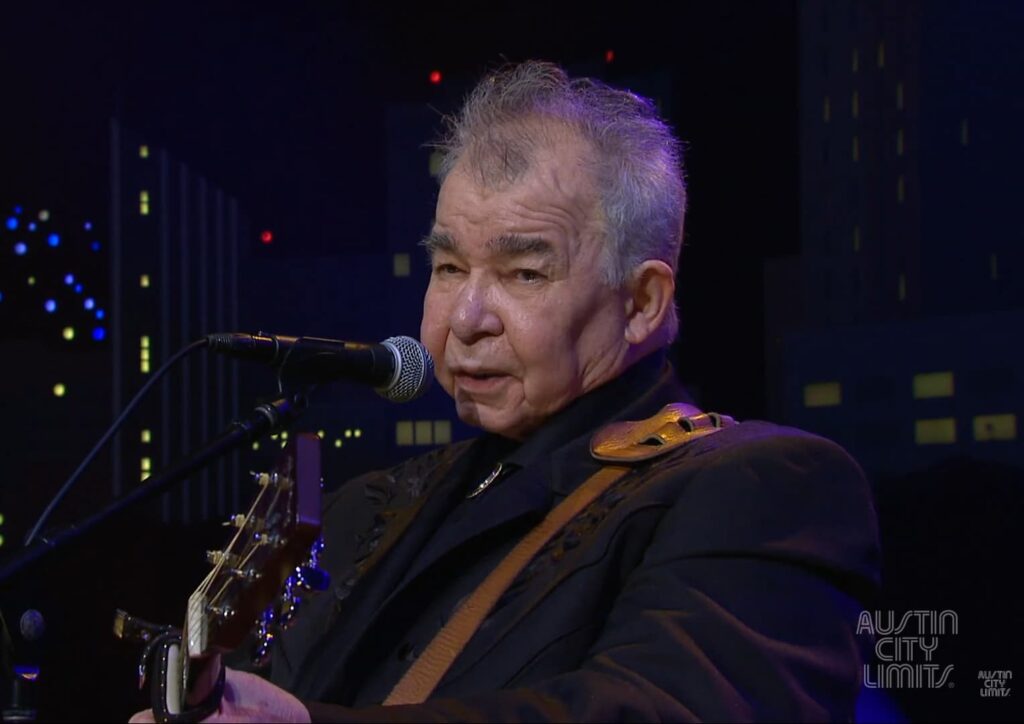
In One Quiet Austin Night, John Prine Turned “Summer’s End” Into a Gentle Prayer for the Lonely and Forgotten
When John Prine returned to Austin City Limits in 2018, he did not arrive with spectacle or nostalgia tricks. He walked onto the stage carrying something far more powerful: the calm wisdom of a man who had already survived almost everything life could throw at him.
The episode premiered on PBS on October 13, 2018, and by then, Prine’s voice had changed dramatically from the warm youthful tone heard on his early records in the 1970s. Years of smoking, surgery, illness, and time itself had weathered it into something rougher, thinner, and deeply human. Yet somehow, that transformation made songs like “Summer’s End” feel even more devastating.
From the first few seconds of the performance, the atmosphere inside the studio settled into complete stillness.
There was no urgency in the arrangement. No dramatic lighting tricks. Just Prine standing beneath soft stage lights, surrounded by patient musicians, delivering one of the finest songs of his later career with almost unbearable tenderness.
Originally released on the 2018 album The Tree of Forgiveness, “Summer’s End” quickly became one of the defining songs of Prine’s final chapter. Though simple on the surface, the song carries enormous emotional weight. Its famous refrain, “Come on home,” feels less like a lyric and more like an open door left glowing at night for anyone too lost or ashamed to walk through.
At Austin City Limits, that feeling became even stronger.
Prine sang as though speaking directly to people carrying invisible grief. His phrasing was unhurried, almost conversational, allowing every line room to breathe. The years in his voice gave the song a truth that could never have been manufactured in a studio. When he reached the chorus, it sounded like someone who understood loneliness intimately but still believed redemption was possible.
The beauty of the performance came from its restraint.
Many artists at that stage of life attempt to overpower audiences emotionally. John Prine did the opposite. He trusted silence. He trusted ordinary words. He trusted the emotional intelligence of the listener. And because of that, every small detail landed harder.
Around the 1:20 mark, the melody begins opening wider emotionally, and Prine leans gently into the line as if guiding someone back from emotional distance. By approximately 2:10, the performance reaches its emotional center, with the repeated invitation of “come on home” carrying the weight of reconciliation, regret, and unconditional love all at once.
Then, near the final minute, something extraordinary happens.
Prine’s face remains calm, almost peaceful, but the room itself seems overcome by the realization that they are witnessing an artist completely at peace with his own vulnerability. There is no mask left. No performance persona. Only honesty.
For longtime listeners, the moment carried another layer of emotion. John Prine had survived throat cancer and lung surgery years earlier, experiences that permanently altered his singing voice. Lesser artists might have hidden from those imperfections. Prine turned them into part of the storytelling itself. The cracks, pauses, and weathered textures became emotional instruments of their own.
Watching the Austin City Limits performance today feels different after Prine’s passing in 2020.
The song now sounds almost like a farewell letter left behind for the people still searching for comfort in difficult seasons of life. Not dramatic. Not tragic. Just deeply compassionate.
That was always John Prine’s rare gift.
He never needed grand poetry to reach the deepest places in the human heart. Sometimes all he had to say was, “Come on home.”
And somehow, it felt like the entire world needed to hear it.