
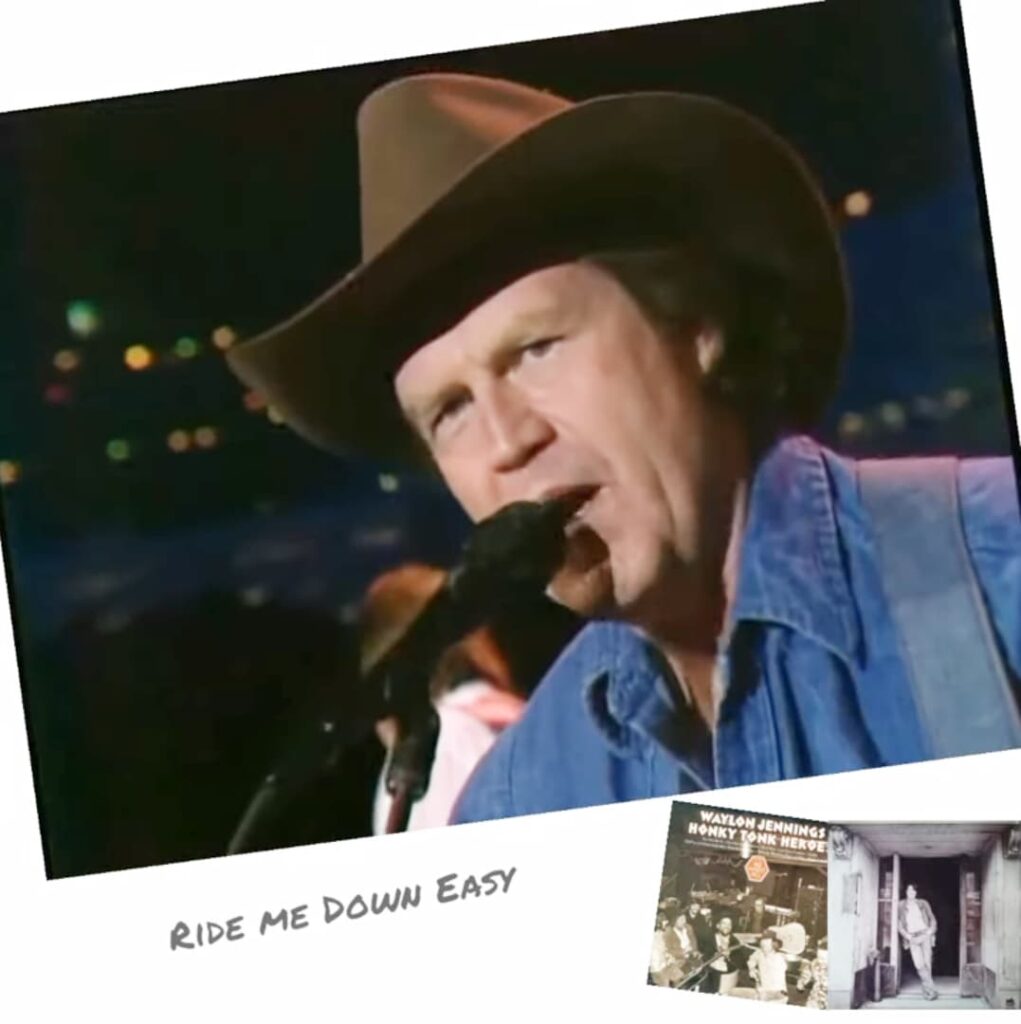
When Billy Joe Shaver Sang “Ride Me Down Easy” on Austin City Limits, It Felt Less Like a Performance and More Like an Outlaw Cowboy Quietly Making Peace With His Own Hard Life
There are country singers who perform songs.
And then there was Billy Joe Shaver, a man who seemed to survive his songs before he ever sang them.
Watching Shaver perform “Ride Me Down Easy” during his appearance on Austin City Limits feels like stepping directly into the heart of outlaw country before the genre became romanticized mythology. Nothing about the performance feels polished or manufactured. His voice sounds rough, weathered, and scarred by real living. Yet inside that roughness sits extraordinary tenderness.
That contrast became Billy Joe Shaver’s entire artistic identity.
By the time audiences discovered him through performances like this, Shaver had already lived through poverty, hard labor, broken relationships, addiction, violence, and personal loss. Unlike many artists later marketed as “outlaws,” Billy Joe never had to pretend he understood struggle. His songs carried the dust and bruises of experience naturally.
And “Ride Me Down Easy” may be one of the clearest windows into that soul.
The song drifts forward almost like an old highway prayer. Cowboys, trains, women, whiskey, mountains, and loneliness pass through the lyrics like fading roadside memories. The writing feels fragmented at times, almost dreamlike, yet emotionally it remains crystal clear. This is a man looking back at his life without trying to hide either the damage or the beauty.
That honesty is what makes the performance so haunting.
When Billy Joe sings lines about “satisfied women behind me” or wandering through years of hard living, he does not sound proud in the usual outlaw country sense. There is no swagger left in the delivery. Instead, he sings with the exhaustion of someone who already knows freedom and loneliness often travel together.
That emotional weariness gives the song enormous depth.
Unlike younger performers who sometimes dramatize outlaw imagery, Shaver approaches the material with quiet acceptance. He no longer sounds interested in rebellion for its own sake. The performance feels more reflective than defiant, as though he is trying to understand the cost of the life he once chased so fiercely.
And perhaps that is why older audiences connect so deeply with Billy Joe Shaver.
He understood that real outlaw country was never truly about looking dangerous. It was about surviving disappointment without losing your humanity completely.
The setting of Austin City Limits intensifies that authenticity beautifully. Early episodes of the program captured Texas music culture before corporate country polished away its rough edges. The cameras stay close. The stage lighting remains simple. The audience listens carefully. Everything about the atmosphere allows the songs themselves to carry the emotional weight.
And Billy Joe carried plenty.
There is also something deeply moving about how physically unguarded he appears while performing. He never hid behind glamour or technical perfection. He stood onstage looking exactly like the man who wrote the songs: worn down, stubborn, vulnerable, and strangely peaceful despite it all.
That vulnerability becomes especially powerful during the song’s quieter moments.
Even when the lyrics drift into surreal outlaw poetry, the emotional core remains unmistakable. “Ride Me Down Easy” is ultimately about surrender. Not defeat exactly, but acceptance of time, mistakes, aging, and mortality. It feels like the confession of a man who has fought life hard enough to finally understand he cannot outrun it forever.
Watching the performance now carries even greater emotional weight because Billy Joe Shaver came to represent something country music rarely allows anymore: genuine imperfection.
He was never sleek enough for Nashville polish.
Never controlled enough for mainstream image management.
Never interested in pretending he had everything figured out.
And that truth lives inside every second of this per
By the end, “Ride Me Down Easy” no longer feels like a song about cowboys or outlaw mythology at all.
It feels like a tired man asking life itself to handle him gently on the long ride home.