
A Love Song for Every Month of the Year: Neil Sedaka’s “Calendar Girl” Remains One of Pop Music’s Happiest Time Capsules
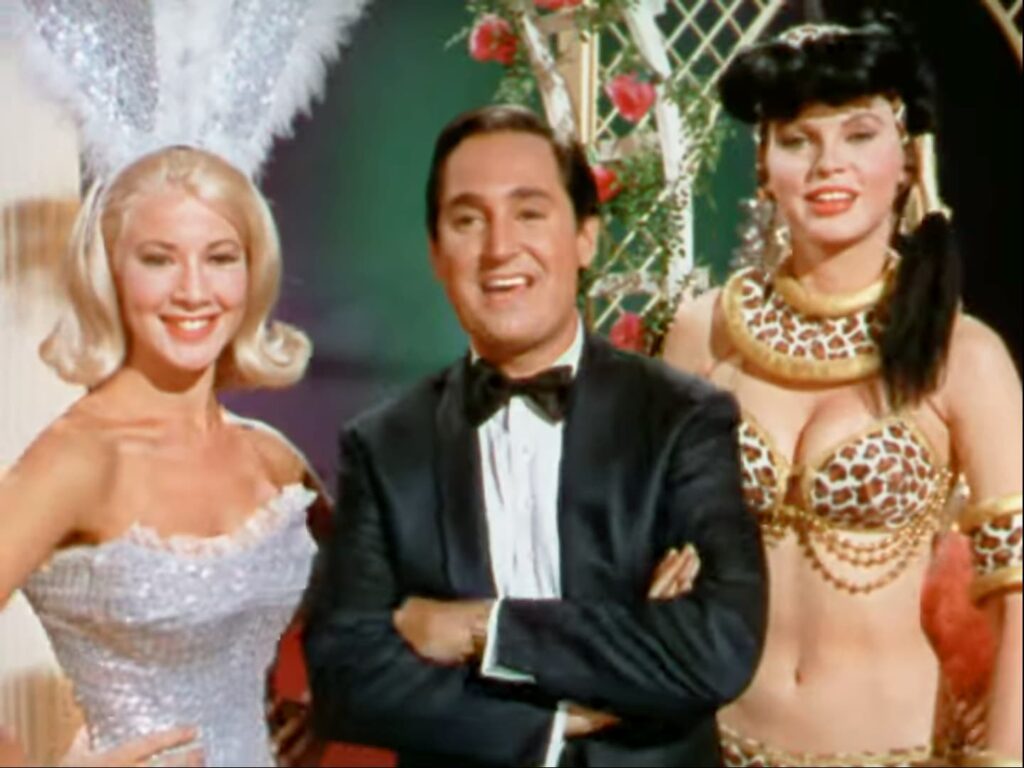
When Neil Sedaka performed “Calendar Girl” in 1966, audiences saw a smiling entertainer delivering one of the most cheerful songs of the rock and roll era. Looking back today, however, the performance feels like much more than a hit record. It is a window into a vanished world of school dances, first romances, holiday traditions, and a kind of youthful innocence that popular music rarely celebrates anymore.
What makes “Calendar Girl” so remarkable is its simplicity.
Released at the dawn of the 1960s and written by Sedaka with his longtime songwriting partner Howard Greenfield, the song takes listeners on a journey through all twelve months of the year. February becomes Valentine’s Day. April brings Easter. Summer arrives with beaches and fireworks. December glows with Christmas lights.
The message is wonderfully straightforward: love is not reserved for special occasions. It lasts every day of the year.
That idea helped make “Calendar Girl” one of the most enduring songs of Sedaka’s career. While many love songs focus on heartbreak, longing, or separation, this one celebrates something much rarer in popular music: simple happiness.
Watching the 1966 performance today, it is impossible not to notice how naturally Sedaka embodied that optimism. His bright smile, youthful energy, and effortless charm reflected the era that produced the song. This was a time when a hit record could revolve around asking a girl’s parents for permission to attend a school dance together.
To modern audiences, that lyric may seem quaint.
Yet it reveals why the song continues to resonate with so many listeners decades later. “Calendar Girl” is not merely a love song. It is a snapshot of American teenage life in the early 1960s. Prom nights mattered. Sweet sixteen celebrations felt magical. First dates were unforgettable events. The song captures those memories with remarkable warmth.
There is another layer of nostalgia attached to the performance.
By 1966, the music industry was changing rapidly. Just a few years earlier, Neil Sedaka had been one of America’s biggest teen idols, alongside the stars who defined the first wave of rock and roll. Then came the arrival of The Beatles and the British Invasion, transforming popular music almost overnight.
Many artists from the early 1960s struggled to adapt to the new landscape.
When viewers revisit this performance today, they are witnessing Sedaka during a fascinating transitional period. He still possessed the youthful charisma that made him famous, yet the musical world around him was beginning to evolve in dramatic ways.
That context makes the performance even more valuable as a historical document.
It also reminds audiences that Sedaka’s contributions extended far beyond a handful of hit singles. While many remember him for songs like Oh! Carol, Breaking Up Is Hard to Do, and “Calendar Girl,” he was also an accomplished pianist, songwriter, and composer whose influence helped shape early pop music.
Fans often point out another charming detail. Many of Sedaka’s love songs were written during the years he was building a life with the woman who would become his wife, Leba Sedaka. The couple married in 1962 and remained together throughout his life. As a result, listeners sometimes hear songs like “Calendar Girl” not as fantasies, but as reflections of a genuine and lasting love story.
More than half a century later, the performance still has the power to make people smile.
Perhaps that is because it reminds us of a time when a pop song could be completely free of cynicism. No heartbreak. No drama. No complicated message. Just a young man singing about a girl who made every month worth celebrating.
In an age when so much music is built around loss and disappointment, “Calendar Girl” remains a joyful exception. It is a three-minute scrapbook of youth, romance, and optimism, preserved forever in song. And when Neil Sedaka sings it in 1966, he is not simply performing a hit record. He is preserving an entire season of American life that still feels warm and familiar whenever the music begins.
 Oldies Songs