
Stan Rogers and the Enduring Legacy of Make and Break Harbour
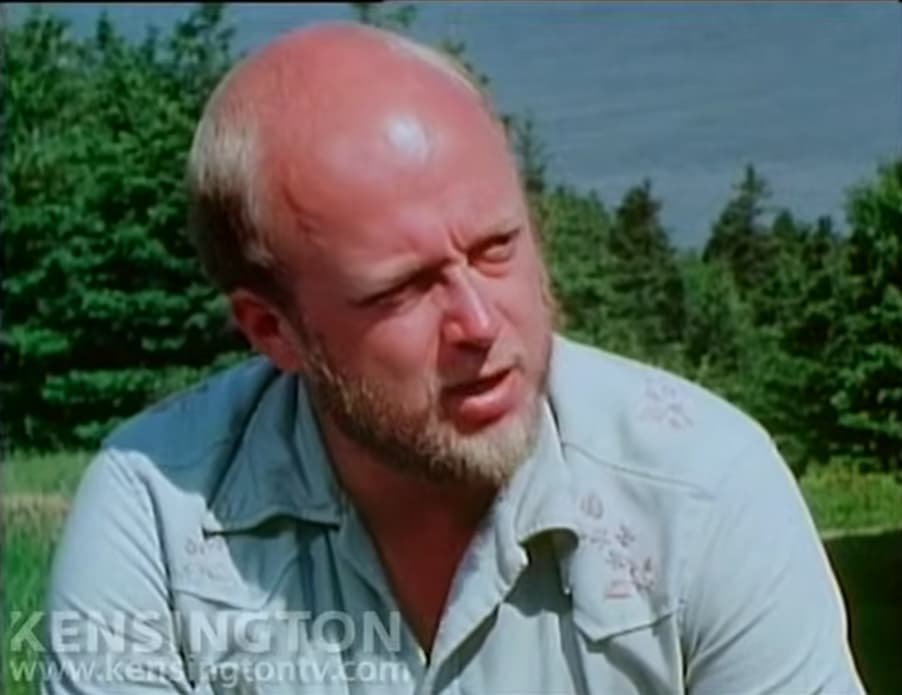
Few performers have captured the spirit of coastal Canada as powerfully as Stan Rogers. An excerpt from the documentary One Warm Line: The Legacy of Stan Rogers offers a moving reminder of why his music continues to resonate decades after his passing. In the featured performance of Make and Break Harbour, Rogers delivers a portrait of maritime life that remains deeply connected to the people, places, and traditions that inspired his songwriting.
Produced by Kensington Communications, One Warm Line explores the life and artistic legacy of Rogers, one of Canada’s most celebrated folk musicians. The documentary presents a lyrical examination of a songwriter whose work has endured far beyond his lifetime. Through archival footage and performances, it highlights the remarkable ability of Rogers to transform everyday experiences into songs of lasting significance.
Among his most admired compositions, Make and Break Harbour stands out for its vivid depiction of life in Atlantic fishing communities. The song draws its title from a type of small marine engine commonly known as a “make and break” engine. These modest motors replaced the labor of rowing but did not dramatically increase speed or fishing capacity. As a result, fishermen still depended heavily on the rhythms of the tides. In many communities, especially smaller harbours, these engines remained in use long after larger and more powerful technologies became available.
This historical detail gives the song an additional layer of meaning. While larger engines allowed vessels to travel farther and harvest greater catches, the older technology reflected a way of life rooted in restraint, sustainability, and close ties to the natural environment. Rogers understood these realities and wove them into a song that examines both economic change and the gradual disappearance of traditional coastal communities.
What continues to distinguish Make and Break Harbour is its emotional authenticity. The song does not merely describe a place. It captures the feeling of living within a landscape shaped by wind, tides, and generations of hard work. Rogers possessed a rare talent for translating regional experiences into universal themes of belonging, memory, and change.
More than four decades after its creation, the song remains a powerful cultural document. Rogers may have died tragically in 1983 at the age of 33, but the world he sang about continues to inspire reflection. Through performances preserved in One Warm Line, audiences are reminded that the stories of working harbours, fishing families, and coastal traditions remain an essential part of Canada’s heritage. In that sense, Make and Break Harbour is not only a song about the past. It is also a call to remember and preserve the communities that gave it life.