
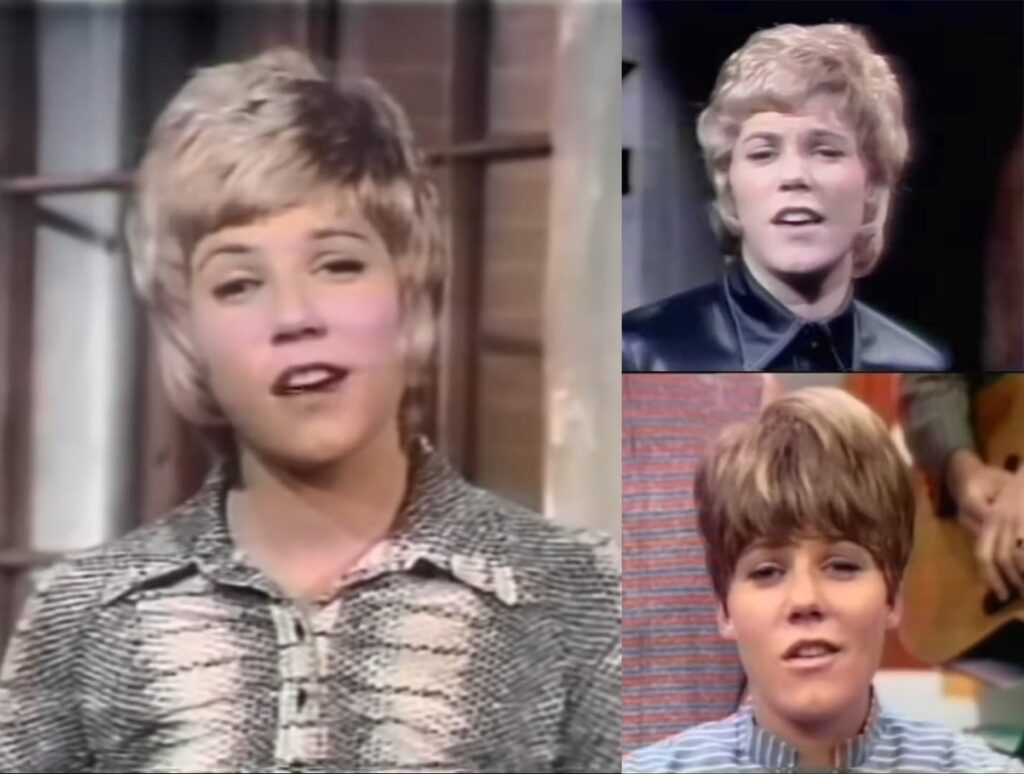
THEY TOLD HER THEY ALREADY HAD ENOUGH ALTOS. A FEW YEARS LATER, THAT SAME VOICE WOULD INTRODUCE CANADA TO ITS MOST BELOVED “SNOWBIRD.”
Long before Anne Murray became one of Canada’s most celebrated recording artists, before the Grammy Awards, the platinum records, and the millions of albums sold around the world, she was simply a young woman hoping for a chance to sing on a local television program in Halifax.
At first, she did not get that chance.
When Murray auditioned for CBC’s Singalong Jubilee in 1963, producers delivered a response that would become one of the most ironic decisions in Canadian music history.
They already had enough altos.
For many aspiring performers, that might have been the end of the story.
For Anne Murray, it was merely the beginning.
A few years later, she returned and earned a place on the program that had once turned her away. Produced in Halifax and broadcast across Canada from 1961 to 1974, Singalong Jubilee became the perfect training ground for a young singer still discovering the full power of her voice.
Looking back at these remarkable television clips today, what stands out is not stardom.
It is versatility.
The collection captures Murray moving effortlessly through folk songs, country ballads, pop standards, and contemporary hits. Whether interpreting Donovan’s gentle “Colours,” delivering the emotional longing of “But You Know I Love You,” or bringing warmth and charm to “Daydream,” she already possessed the qualities that would define her career.
There is no flashy showmanship.
No dramatic vocal acrobatics.
Just clarity, sincerity, and a calm confidence that drew listeners in.
That understated approach would eventually become her greatest strength.
While many performers competed for attention, Anne Murray never seemed to chase it. Instead, she invited audiences into the song. She sang with a natural warmth that felt familiar, almost comforting, as though she were performing in a friend’s living room rather than on national television.
Perhaps that is why these early performances remain so captivating more than half a century later.
They allow us to watch a future legend before the world fully recognized what it had.
The emotional centerpiece of the collection arrives near the end.
A host introduces what he calls the meeting of a great song and a great singer.
The song is “Snowbird.”
Today, the title is inseparable from Anne Murray’s legacy. Yet in 1970, it was still a relatively new recording written by Gene MacLellan, a fellow Canadian songwriter whose delicate lyrics found the perfect interpreter in Murray’s voice.
As she begins to sing, modern viewers experience something extraordinary.
They are witnessing the moment before everything changed.
The success of “Snowbird” would soon carry Murray far beyond Canadian television. The recording became an international breakthrough, making her the first Canadian female solo artist to achieve major success on the American charts and opening doors for countless artists who followed.
But none of that history is visible in the performance itself.
What we see instead is a young singer standing before a microphone, doing what she always did best.
Singing honestly.
Singing beautifully.
And unknowingly stepping into music history.
That is what makes these Singalong Jubilee recordings so valuable today.
They preserve the years before the headlines.
Before the awards.
Before the world tours.
Before Anne Murray became an icon.
Most importantly, they remind us how unpredictable greatness can be.
The producers who once believed they had enough altos could not have known they were listening to a voice that would help define the sound of Canadian popular music for generations.
More than fifty years later, those early broadcasts remain a remarkable time capsule.
A record of persistence.
A record of talent.
And the story of a young woman who turned a rejection into one of the most enduring careers in music history.