
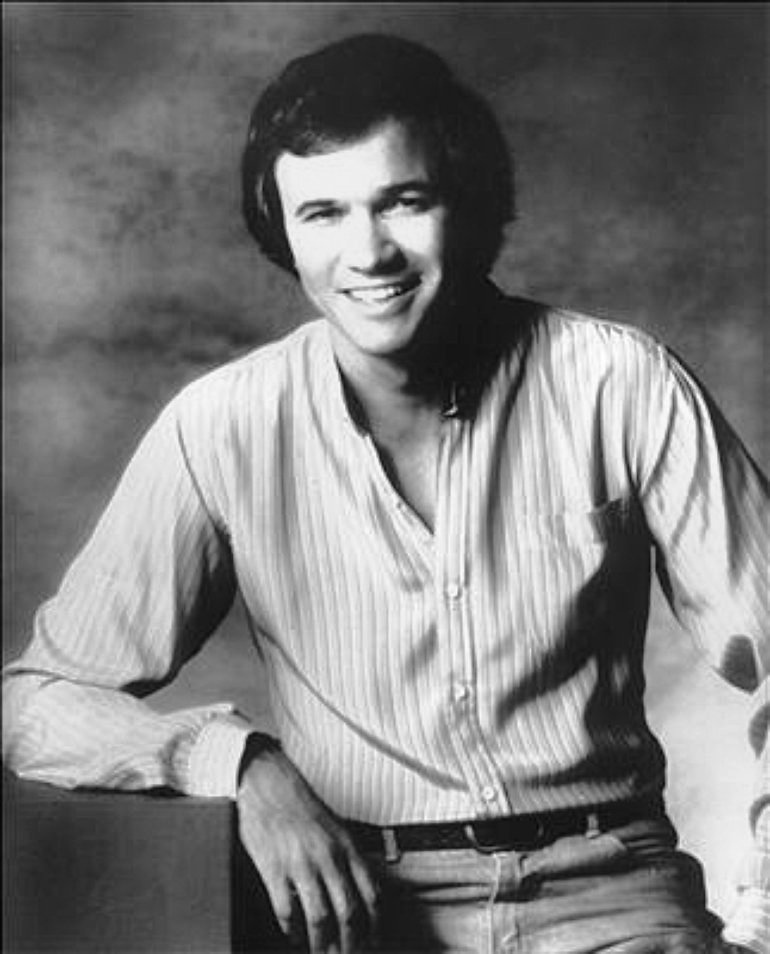
A Son’s Quiet Gratitude Wrapped Inside a Love Song
When Bread released “Everything I Own” in early 1972, many listeners believed it was simply another tender romantic ballad from the golden age of soft rock. But beneath its gentle melody and warm acoustic arrangement was something far deeper — a deeply personal farewell from David Gates to his late father, written with a sincerity that still reaches across generations.
The song appeared on Bread’s album Baby I’m-a Want You, one of the group’s most successful records, and quickly became one of the defining songs of the early 1970s singer-songwriter era. On the charts, “Everything I Own” climbed to No. 5 on the Billboard Hot 100 in the United States and reached No. 1 on the Easy Listening chart in 1972. In Canada, it also became a major hit, further solidifying Bread’s place among the era’s most beloved soft rock groups.
Yet commercial success only tells a small part of the story.
What made the song unforgettable was the quiet honesty hidden inside every line.
At the time, Bread had already built a reputation for delicate, emotionally transparent songs like “Make It With You,” “If,” and “Diary.” But “Everything I Own” carried a different emotional weight. David Gates later revealed that the lyrics were not written for a lover at all, but for his father, who had passed away years earlier. Once listeners learned that truth, the song changed forever. Suddenly, lines that once sounded romantic began to feel like memories spoken into silence.
“You sheltered me from harm…”
That single phrase alone carries the tenderness of a child remembering safety long after it disappeared.
Unlike dramatic heartbreak songs popular during the same era, “Everything I Own” never raises its voice. There is no anger, no bitterness, no theatrical sorrow. Instead, it moves with the soft ache of regret — the kind that arrives quietly with age, when people begin realizing how much love they received without fully understanding it at the time.
That emotional restraint became one of the song’s greatest strengths.
Musically, the arrangement reflects everything that made Bread special during the early 1970s. The acoustic guitar is understated, the piano subtle, the orchestration never excessive. David Gates sings almost conversationally, as though he is sitting alone with memories he never intended to share publicly. His voice does not chase perfection; it carries vulnerability instead. And perhaps that is why the song continues to resonate so strongly decades later.
There is also something timeless about the central idea of the song — the painful realization that some people only understand the value of love after it is gone. The title itself, “Everything I Own,” is not about material possessions at all. It is about emotional inheritance. Guidance. Protection. Presence. The invisible gifts that shape a life.
In many ways, the song reflects the emotional maturity that soft rock achieved during the early 1970s. Artists like Bread, Carole King, James Taylor, and Gordon Lightfoot began replacing grand musical excess with intimate storytelling. Their songs sounded less like performances and more like private confessions. And listeners connected deeply with that honesty because it mirrored real life — quiet kitchens, empty houses, old photographs, and memories that return unexpectedly late at night.
Over the years, “Everything I Own” has been covered by numerous artists, including Ken Boothe, whose reggae interpretation became a major international hit in 1974, and later by Boy George in the 1980s. Yet despite the success of those versions, many listeners still return to Bread’s original recording because of its fragile emotional authenticity. David Gates never oversings the emotion. He lets the lyrics breathe naturally, allowing listeners to place their own memories inside the song.
And perhaps that is why the track has endured for more than fifty years.
People hear different stories in it. Some think of lost parents. Others remember old relationships, lifelong friendships, or moments they wish they could revisit one more time. The beauty of “Everything I Own” lies in that openness. It never forces emotion onto the listener. It simply opens the door and waits.
Today, the song remains one of the purest examples of how simplicity can outlast trends. No flashy production. No complicated metaphors. Just honesty carried by melody.
In an era when many songs competed to sound bigger, louder, and more modern, Bread quietly created something human. And decades later, that humanity still lingers in every note of “Everything I Own.”