
A Young Voice Holding Onto Love Before Time Slipped Away
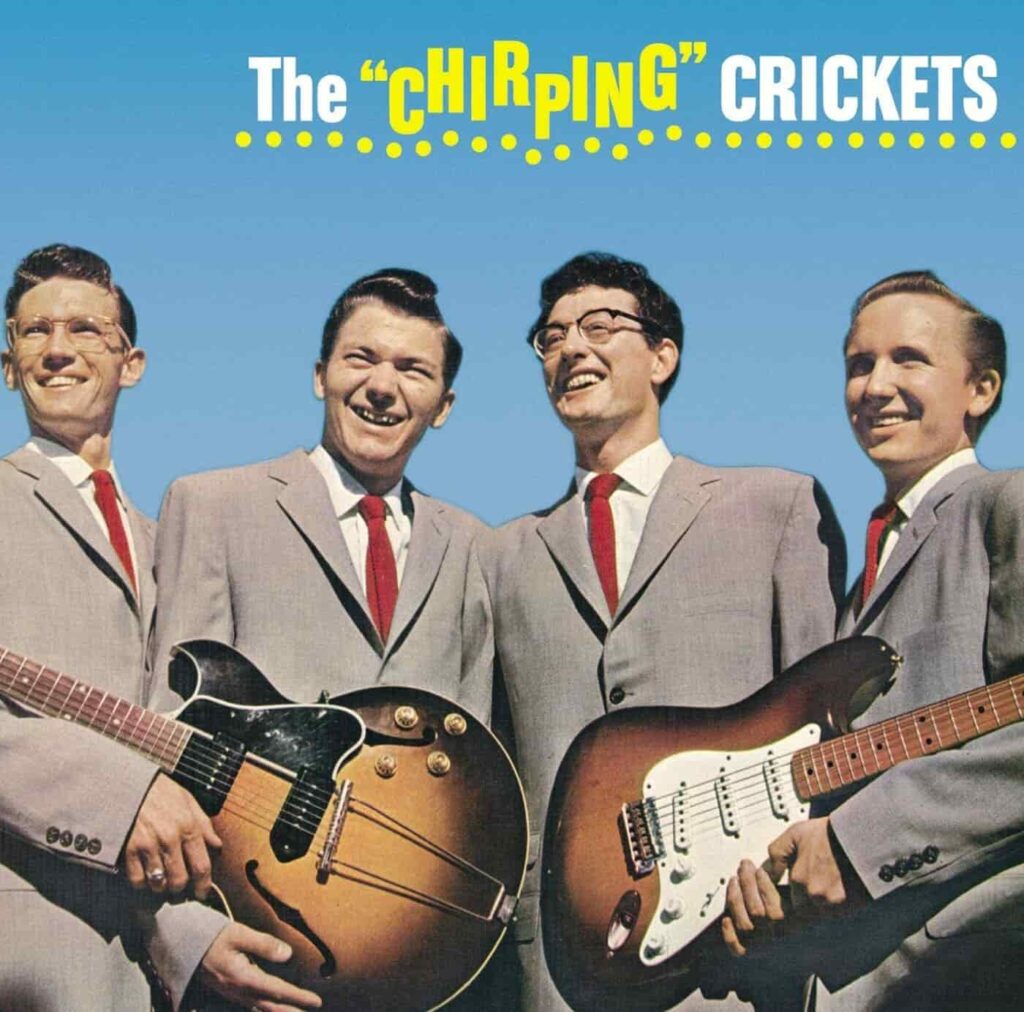
Released in 1957 on the landmark debut album The ‘Chirping’ Crickets, “You’ve Got Love” by Buddy Holly stands as one of those quietly radiant recordings that reveals more with each passing year. Performed with his band The Crickets, the song did not storm the charts like some of his bigger hits, yet it carries a gentle emotional weight that has only deepened over time. Co-written by Roy Orbison, alongside Norman Petty and Johnny Wilson, the track also offers a fascinating early glimpse into the musical kinship between two future giants of American music.
At first listen, “You’ve Got Love” feels disarmingly simple. The melody is light, almost conversational, carried by Holly’s unmistakable voice. There is a sincerity in his delivery that never tries to overwhelm the listener. Instead, it invites you in quietly, like a late evening conversation when the world has settled down and only honest words remain. For older listeners especially, there is something deeply familiar here. It echoes a time when love songs did not rely on grand gestures, but on small truths spoken plainly.
What makes this recording particularly moving is the context in which it exists. This was part of the only album released during Buddy Holly’s lifetime, a moment when everything still felt possible. Listening now, there is an unspoken poignancy in knowing how brief his career would be. The youthful optimism in his voice, the ease with which he delivers each line, feels almost suspended in time. It is as if the song itself refuses to age.
The connection to Roy Orbison adds another layer of quiet significance. Before Orbison became known for his operatic heartbreak, here he was, contributing to a song rooted in warmth and reassurance. You can almost hear the early threads of his emotional sensibility woven into the composition, though softened through Holly’s brighter, more open tone.
In the end, “You’ve Got Love” is not a song that demands attention. It stays with you instead. It reminds us of a simpler emotional language, one where love did not need to be explained in complicated ways. And perhaps that is why, decades later, it still feels so close.