
Emmylou Harris Chose Reinvention Over Comfort — And Created One of the Most Haunting Albums of the 1990s
By the time Emmylou Harris released Wrecking Ball in 1995, she had already accomplished more than most artists could dream of in a lifetime. She was revered as one of the defining voices of modern country and folk music, a singer whose harmonies and emotional clarity had shaped American roots music for more than two decades. She had earned multiple Grammy Awards, scored seven No. 1 country hits, placed twenty-seven singles inside the country Top 10, and collaborated with legends ranging from Gram Parsons to Dolly Parton and Linda Ronstadt. Most artists in that position would have protected their legacy carefully.
Instead, Emmylou Harris decided to dismantle it and rebuild herself from the ground up.
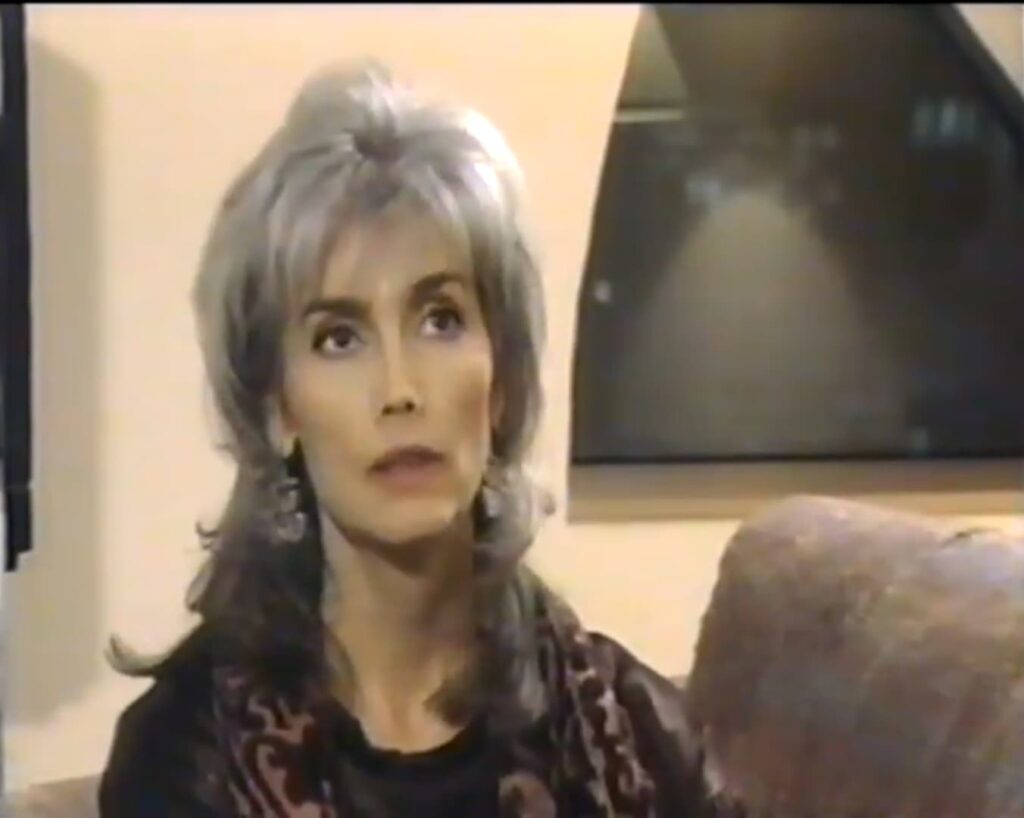
That is what makes her appearance on Inside Country, discussing the creation of Wrecking Ball, so compelling even decades later. The interview captures an artist refusing to become trapped by her own history. There is no trace of complacency in her words. What emerges instead is the portrait of a musician still searching restlessly for emotional truth long after commercial success could have justified repetition.
When Harris says she needed “to zig instead of zag,” she reveals something fundamental about her artistic identity. She was never interested in preserving country music as a museum piece. Even during the 1970s, when Nashville increasingly leaned toward polished commercial production, Emmylou gravitated toward older folk traditions, cosmic country textures, and emotionally raw songwriting. By the 1990s, however, she sensed another transformation waiting for her creatively.
That transformation arrived through Daniel Lanois.
At the time, Lanois was already celebrated for his atmospheric production work with artists like U2, Bob Dylan, Peter Gabriel, The Neville Brothers, and Robbie Robertson. His sound was unmistakable: spacious, shadowy, spiritual, and emotionally immersive. Rather than emphasizing technical perfection, Lanois specialized in mood and emotional resonance. He treated silence, echo, and texture almost like instruments themselves.
For Emmylou Harris, discovering his work felt revelatory.
During the interview, she describes hearing Dylan’s Oh Mercy and Lanois’ solo material and realizing he spoke a “musical language” she instinctively understood. That phrase is crucial because Wrecking Ball ultimately became less about genre than emotional atmosphere. Harris was moving away from the structured clarity of traditional country arrangements toward something far more abstract and cinematic.
The result was one of the boldest reinventions ever attempted by a major country artist.
Released in September 1995, Wrecking Ball did not dominate mainstream country radio, but its critical impact was enormous. The album won the Grammy Award for Best Contemporary Folk Album and is now widely considered one of the greatest Americana records ever made. More importantly, it completely reshaped how younger generations viewed Emmylou Harris. Suddenly, she was no longer simply a revered country traditionalist. She became a fearless experimental artist capable of standing beside alternative and ambient musicians decades younger than herself.
Listening to the album even today still feels strangely timeless.
The title track, written by Neil Young, unfolds like a dream drifting through fog. Songs by Steve Earle, Jimi Hendrix, Lucinda Williams, and Bob Dylan are transformed into spectral meditations filled with ghostly guitars, distant percussion, and layered sonic textures. Yet despite the experimental production, the emotional core of the album remains profoundly human because Harris never abandons vulnerability.
One of the most revealing moments in the interview comes when she discusses “space” in music. She explains how ambiguity allows listeners to place their own emotions inside a song, comparing music to poetry or painting. That philosophy became the emotional architecture of Wrecking Ball. Instead of explaining feelings directly, the album creates emotional landscapes listeners wander through themselves.
This approach is especially devastating on “Goodbye,” written by Steve Earle. Harris speaks about the “gaseous and spooky” quality of the track juxtaposed against brutally specific heartbreak lines like “I can’t remember if we said goodbye.” That contrast between clarity and mystery gives the song extraordinary emotional weight. The pain feels intimate but also strangely universal, as though the listener is remembering their own unfinished farewell while hearing it.
For older listeners, the album often resonates differently than it does for younger audiences. It speaks less about youthful rebellion and more about emotional evolution. There is wisdom in its restraint. Harris was not trying to chase trends or reclaim commercial dominance. She was exploring uncertainty itself. The album sounds like someone learning how to live inside unanswered questions.
Visually and sonically, Wrecking Ball also mirrored the emotional landscape of the 1990s. The glossy confidence of the 1980s had faded. Alternative music, introspection, and atmospheric production were reshaping popular culture. Yet Emmylou Harris did not imitate younger artists. Instead, she absorbed contemporary textures while remaining emotionally rooted in folk storytelling traditions.
That balance is why the album never feels dated.
Watching the Inside Country interview now is moving because Harris speaks with the excitement of someone still discovering music rather than protecting a career. Even after decades of acclaim, she remains fascinated by “infinite possibilities” in the studio. That curiosity may be her greatest legacy of all.
Many artists spend their later years recreating past triumphs. Emmylou Harris chose risk instead.
And in doing so, she created an album that still feels like moonlight drifting through abandoned rooms — mysterious, sorrowful, and impossibly alive.