
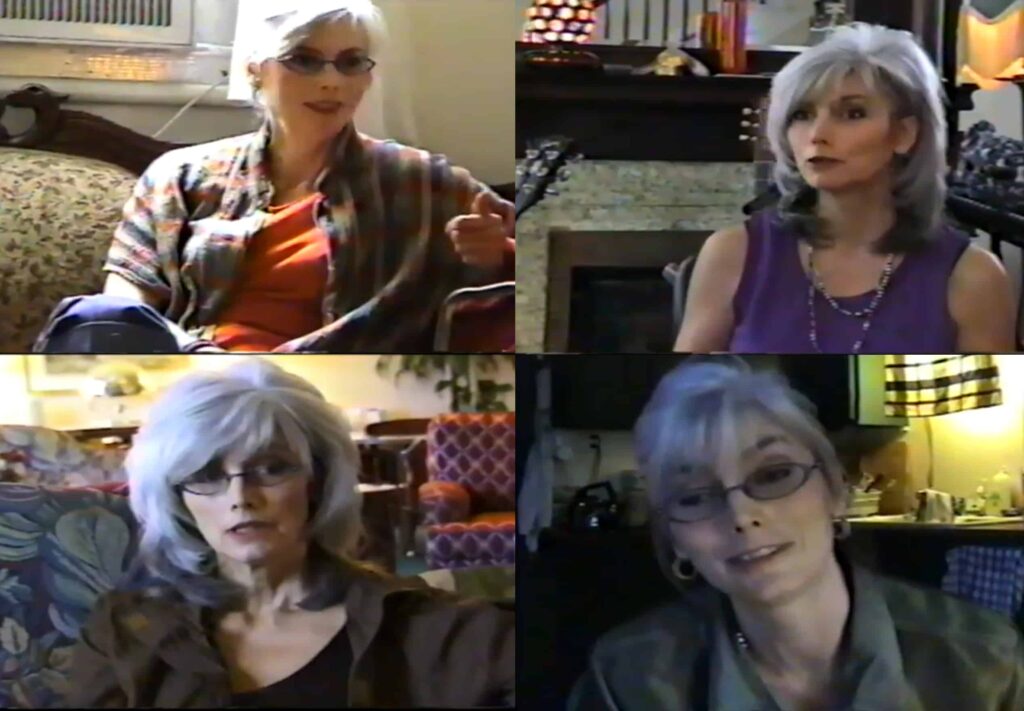
AFTER DECADES OF SINGING OTHER PEOPLE’S HEARTBREAKS, EMMYLOU HARRIS FINALLY OPENED HER OWN.
By the late 1990s, Emmylou Harris had already built one of the most respected careers in American music. But after the haunting success of Wrecking Ball, she reached a frightening realization: she could not simply make another beautiful record and move on.
She had to risk everything.
That decision became Red Dirt Girl — the album where Emmylou stopped hiding behind the songs of others and finally trusted her own voice as a writer. To get there, she did something almost unthinkable for an established star. She walked away from her record label, loosened ties with management, and deliberately stepped into solitude. As she described it, she “cut the moorings.”
The result was not polished Nashville comfort. It was something rawer, stranger, and deeply Southern.
You can hear it in the details she remembered so vividly: red clay roads, crepe myrtles, boiled peanuts in gas station refrigerators, bluetick hounds barking somewhere in the distance. This was not mythology. This was memory.
And then came the grief.
When Emmylou spoke about “Bang the Drum Slowly,” her voice carried the ache of losing her father unexpectedly. She admitted one of life’s quietest regrets: realizing too late that you never fully knew your parents as people. Few artists ever explain sorrow that honestly.
Yet Red Dirt Girl is not an album trapped in sadness. It is about transformation. Emmylou compared suffering to the creation of a pearl — something beautiful formed slowly through irritation and pain. That idea became the soul of the record itself.
What makes this era extraordinary is that Emmylou sounded more fearless at fifty than many artists do at twenty-five. Her collaborators spoke about still getting chills hearing her sing, the same chills they felt decades earlier during “Love Hurts.” Producer Malcolm Burn helped build an atmosphere where “there are no categories,” where emotion mattered more than genre.
And somewhere inside that freedom, Emmylou Harris stopped being merely one of music’s greatest interpreters.
She became one of its greatest storytellers.