
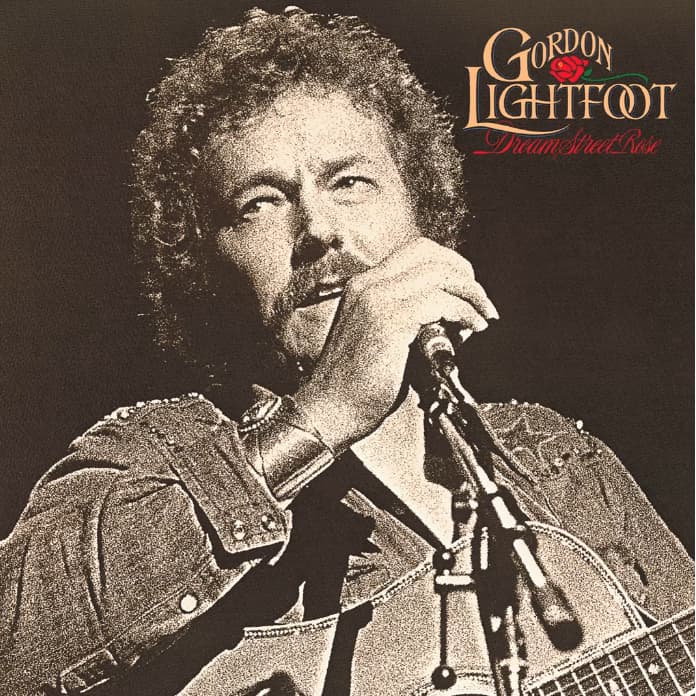
Gordon Lightfoot’s “Ghosts of Cape Horn” Endures as a Powerful Tribute to Lost Sailors
The enduring legacy of legendary Canadian singer songwriter Gordon Lightfoot continues to resonate through one of his most atmospheric and reflective compositions, “Ghosts of Cape Horn.” Long regarded as a moving tribute to sailors who faced the unforgiving dangers of the sea, the song remains a remarkable example of Lightfoot’s ability to transform history, loss, and human courage into unforgettable music.
Written with the vivid storytelling that defined much of his career, “Ghosts of Cape Horn” explores the perilous world of seafarers who navigated some of the most treacherous waters on Earth. Cape Horn, located at the southern tip of South America, has long been associated with fierce storms, towering waves, and countless maritime tragedies. Through haunting lyrics and a deeply evocative melody, Lightfoot pays tribute to those who risked everything on the cold and often merciless ocean.
For many admirers of the song, “Ghosts of Cape Horn” feels like a farewell to an entire chapter of human history. The composition captures the fading memory of the Age of Sail, a period when tall ships carried people and goods across vast oceans before the rise of modern technology transformed maritime travel. The song’s atmosphere evokes a sense of history slipping away, leaving behind only stories, memories, and the echoes of lives lost at sea.
One of the most distinctive elements of the recording is Lightfoot’s whistling passage. Often praised as one of the most memorable features of the song, the whistling adds an almost spectral quality to the music, enhancing its mood of solitude and reflection. Rather than serving as a simple musical flourish, it becomes part of the storytelling itself, suggesting distant winds, empty horizons, and the lingering presence of sailors whose journeys never reached their destination.
Musically, the song has also earned admiration for its sophisticated composition. Observers have noted the striking movement between major and minor tonalities, particularly the shift between E Major and E Minor, which contributes to the song’s haunting and mysterious character. This subtle interplay of light and darkness mirrors the themes at the heart of the narrative, balancing beauty with tragedy.
Following Lightfoot’s passing in 2023, songs such as “Ghosts of Cape Horn” have taken on even deeper significance. They stand as reminders of an artist whose gift for storytelling placed him among the most respected songwriters of his generation. His work continues to inspire reflection, gratitude, and respect for those who came before.
As the years pass, “Ghosts of Cape Horn” remains more than a song about sailors and distant seas. It is an elegy for courage, a meditation on history, and a lasting testament to Gordon Lightfoot’s extraordinary artistry.