
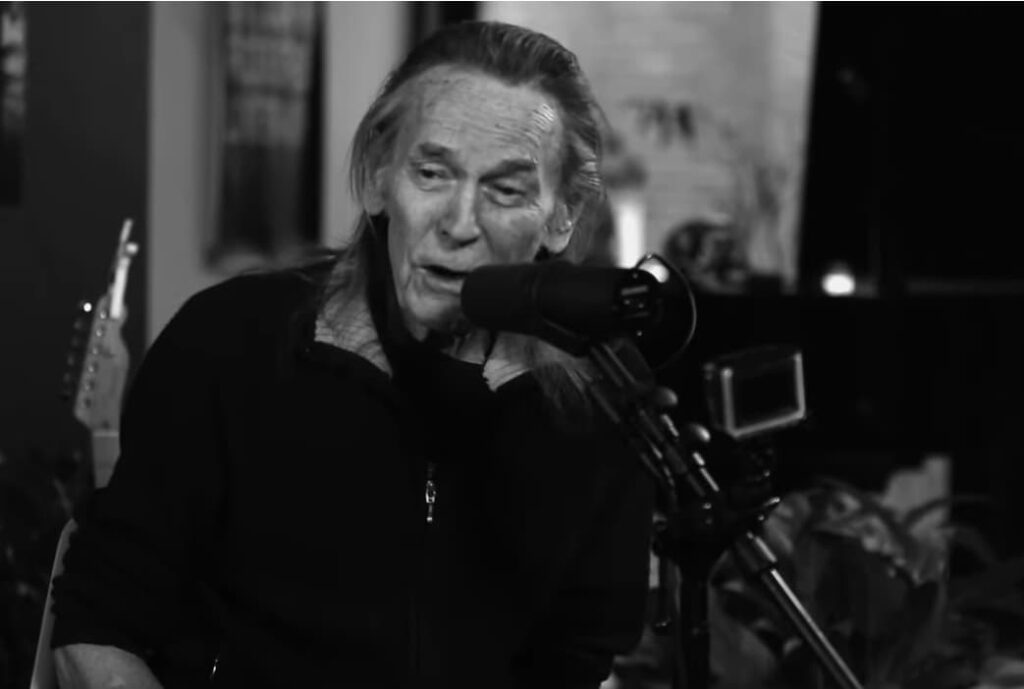
Gordon Lightfoot Reflects on Music, Recovery, and a Lifetime of Songwriting in Rare Extended Interview
In a rare and deeply personal conversation on House Of Strombo, legendary Canadian singer songwriter Gordon Lightfoot offered an honest reflection on his extraordinary career, his struggles with alcoholism, his recovery, and the enduring passion that continues to drive him as a performer.
Speaking with host George Stroumboulopoulos in an intimate setting, Lightfoot revealed that despite decades of success, live performance remains at the center of his life. After playing 91 shows in the previous year, he explained that touring still brings him the same satisfaction it always has. He continues to revisit his extensive catalog, often performing overlooked songs that never became hits but still hold special meaning for him.
The interview provided rare insight into the creation of some of his most celebrated work. Lightfoot admitted that while he believed “Sundown” would become a hit, he never expected “If You Could Read My Mind” to achieve its lasting impact. Reflecting on his recording years, he spoke candidly about his alcoholism during the 1970s and how it eventually forced him to confront difficult realities in both his personal and professional life. After quitting drinking in the early 1980s, he felt that the albums he made afterward were stronger and more focused.
Lightfoot also reflected on the evolution of the music industry. Having witnessed Toronto’s transformation from a city with only a handful of recording studios into an era where anyone can create music from a bedroom, he expressed admiration for the technological advances available to younger artists. At the same time, he emphasized that emotional authenticity remains essential to great music.
Throughout the conversation, Lightfoot shared stories from a remarkable career that placed him alongside some of the most influential figures in modern music. He recalled attending the historic Newport Folk Festival in 1965 and witnessing firsthand the controversy surrounding Bob Dylan’s decision to perform with electric instruments. He also spoke warmly of fellow artists including Joni Mitchell, Ian Tyson, Peter, Paul and Mary, and Dylan himself, describing them as important influences during the folk revival movement.
One of the interview’s most meaningful moments came when Lightfoot discussed “The Wreck of the Edmund Fitzgerald.” After scientific evidence disproved a theory referenced in the song, he chose to revise a lyric out of respect for the families of those connected to the tragedy. The decision reflected his belief that artists have a responsibility to the people and events they portray.
Despite surviving a life threatening aortic aneurysm in 2002, Lightfoot remained focused on the future. He credited physical exercise, family life, and his dedication to performing for helping him recover and maintain his health. Even in later years, he continued writing songs and considering new recording projects.
Looking back on his life, Lightfoot acknowledged regrets and described himself as being in a long period of reflection and repentance. Yet his outlook remained optimistic. More than awards, fame, or legacy, his primary goal was simple: to continue performing great shows with the band he proudly called the best he had ever worked with.