
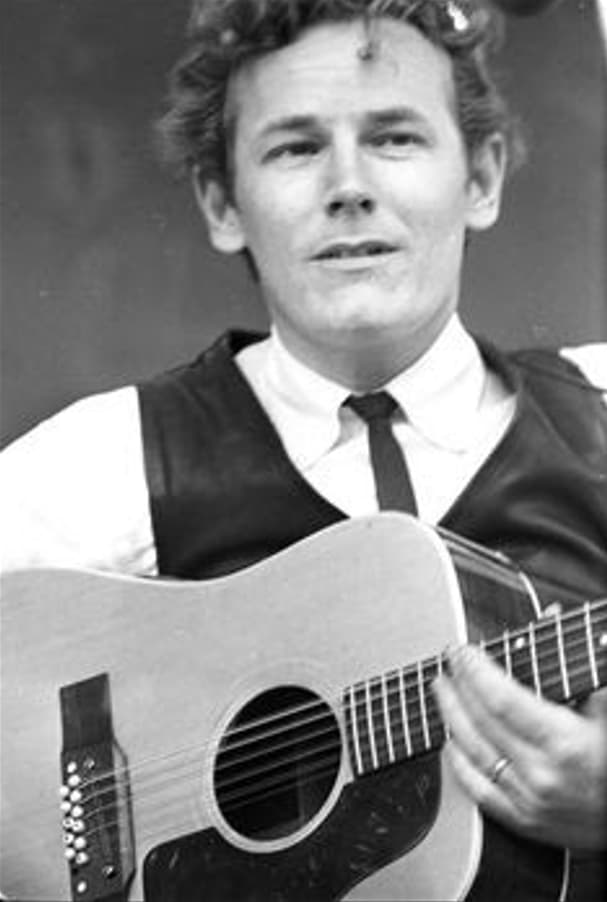
Gordon Lightfoot’s “Pussywillows, Cat Tails” Remains a Timeless Portrait of Ontario’s Spring
More than half a century after its release, Gordon Lightfoot’s “Pussywillows, Cat Tails” continues to stand as one of the most evocative and poetic recordings in the Canadian singer songwriter’s extensive catalog. The song appeared as the eighth track on Did She Mention My Name, Lightfoot’s third studio album, released in 1968 during a period when he was establishing himself as one of North America’s most respected folk artists.
According to Lightfoot, the inspiration for the song came from his experiences growing up around streams, wetlands, and natural landscapes in Orillia, Ontario. Those early memories became the foundation for a composition that captures the quiet beauty of the changing seasons and the deep emotional connection between people and the natural world.
“Pussywillows, Cat Tails” is often celebrated for its vivid imagery and gentle atmosphere. Rather than relying on complex storytelling, the song paints a series of scenes that reflect the arrival of spring after the long Canadian winter. Its lyrics evoke flowing water, warming landscapes, and moments of personal reflection, creating a sense of renewal that remains relatable decades later.
One of the song’s most admired qualities is its ability to transform simple observations into powerful emotional experiences. Lines describing candlelight, wood fires, soft touches, and peaceful memories demonstrate Lightfoot’s remarkable gift for expressing universal feelings through understated language. The result is a composition that feels both deeply personal and widely familiar.
The recording also highlights Lightfoot’s talent as a musical painter. Much like a landscape artist capturing the colors and textures of a changing season, he uses melody and imagery to create a living portrait of rural Ontario. The song invites listeners into a world of wetlands, streams, and springtime growth, preserving the beauty of those environments through music.
Since the passing of Gordon Lightfoot in 2023, many of his songs have taken on added emotional significance. “Pussywillows, Cat Tails” remains a particularly moving example of his artistry because it reflects the themes that defined much of his career: nature, memory, place, and the passage of time.
Today, the song continues to endure not only as a cherished recording from the late 1960s but also as a reminder of Lightfoot’s unique ability to capture entire landscapes and seasons within a few verses. More than fifty years after it was first released, “Pussywillows, Cat Tails” remains a masterpiece of atmosphere and emotional storytelling, preserving the promise of spring through the voice of one of Canada’s greatest songwriters.