
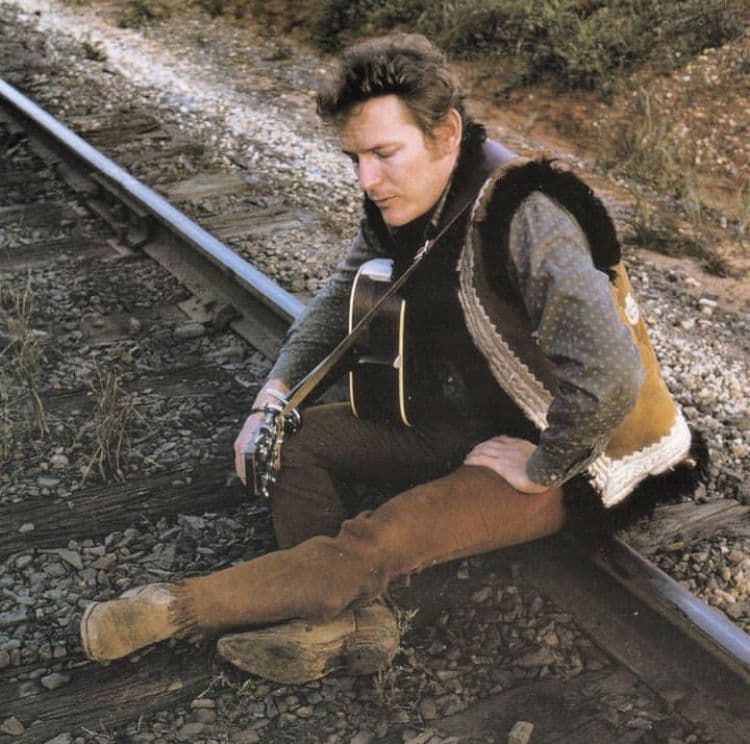
When Rain Fell With the Music of Gordon Lightfoot
The passing of Gordon Lightfoot on May 1, 2023 carried a deep emotional weight for admirers of classic folk music across generations. On that same day, rain quietly covered parts of Ontario and other regions connected to the memories of his songs, creating a haunting coincidence that gave new meaning to one of his most beloved recordings, “Rainy Day People.”
Originally released during the height of Lightfoot’s creative years, the song remains a gentle reflection on compassion, loneliness, and emotional refuge. Decades after its debut, its message still feels timeless. The recording combines soft acoustic textures with understated orchestration, allowing the emotional honesty of the lyrics to remain at the center. Rather than relying on dramatic performance, the song draws strength from restraint, warmth, and sincerity.
The recording featured a remarkable group of musicians and producers who helped shape its lasting atmosphere. Lightfoot handled guitar, piano, and vocals, while longtime collaborators such as Red Shea and Terry Clements added rich guitar layers. Nick DeCaro contributed both accordion and orchestral arrangements, bringing subtle cinematic depth to the track. The rhythm section, including Jim Gordon on drums and John Stockfish on bass, created a calm and steady foundation that allowed the song to breathe naturally. Producer Lenny Waronker and engineer Lee Herschberg helped deliver a polished but intimate sound that still feels deeply human today.
For many listeners throughout the years, Gordon Lightfoot’s music has represented more than entertainment. Songs like “Rainy Day People” became a quiet shelter during difficult moments in life. His voice carried a rare sense of understanding, almost as if it spoke directly to those experiencing heartbreak, grief, or isolation. The simplicity of his delivery often made the emotions feel even more powerful.
In the days following his death, the connection between the rainy weather and the song itself felt impossible to ignore. It was as though nature had briefly echoed the mood of the music that had comforted people for generations. Even after his passing, Gordon Lightfoot’s work continues to endure as a companion for those facing sadness or loneliness, proving that truly meaningful music never disappears.