
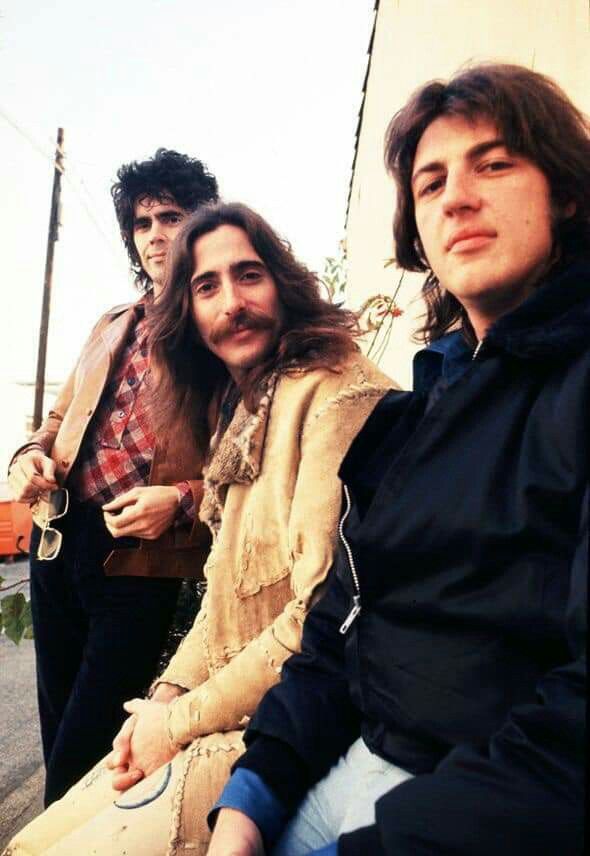
The Song That Opened a Radio Era: Three Dog Night’s “Mama Told Me (Not To Come)” Still Resonates More Than Five Decades Later
When Casey Kasem launched the very first edition of American Top 40 on July 4, 1970, the number one song in America was Mama Told Me (Not To Come) by Three Dog Night. More than fifty years later, the performance remains a vivid reminder of a band that helped define the sound of an era and delivered one of the most memorable hits of the early 1970s.
Originally written by Randy Newman, Mama Told Me (Not To Come) became Three Dog Night’s signature chart topper, reaching number one on the Billboard Hot 100 during the summer of 1970. The song blended rock, funk, soul, and sharp storytelling into a unique recording that stood apart from many of its contemporaries. Its infectious groove and humorous tale of culture shock at a wild party helped make it an instant classic.
The featured performance captures the energy that made Three Dog Night one of the most successful American bands of their generation. The group’s ability to combine powerful vocals with tight musicianship is evident throughout the song. Particular attention is often drawn to the dramatic delivery of the lyric, “Don’t know what it is, I don’t wanna see no more,” a moment that conveys genuine confusion and alarm while perfectly matching the song’s playful narrative.
The recording also serves as a time capsule of the period. From the distinctive stage fashion to the soulful rhythm section, the performance reflects the musical and cultural atmosphere of the late 1960s and early 1970s. For many who experienced the song during its original radio run, it remains closely associated with memories of a transformative decade in popular music.
Beyond its commercial success, Mama Told Me (Not To Come) highlights the remarkable legacy of Three Dog Night. The band scored an impressive string of hit singles throughout the late 1960s and early 1970s, becoming one of the most recognizable acts on American radio. Their ability to interpret songs from a variety of songwriters and transform them into major hits became a defining characteristic of their career.
Today, the performance carries an added sense of reflection as fans remember the members of the group who are no longer with us. Their contributions helped shape the soundtrack of a generation, and their recordings continue to find new audiences decades after their original release.
More than half a century after it topped the charts, Mama Told Me (Not To Come) remains an enduring example of Three Dog Night’s talent, versatility, and lasting impact on American popular music.