
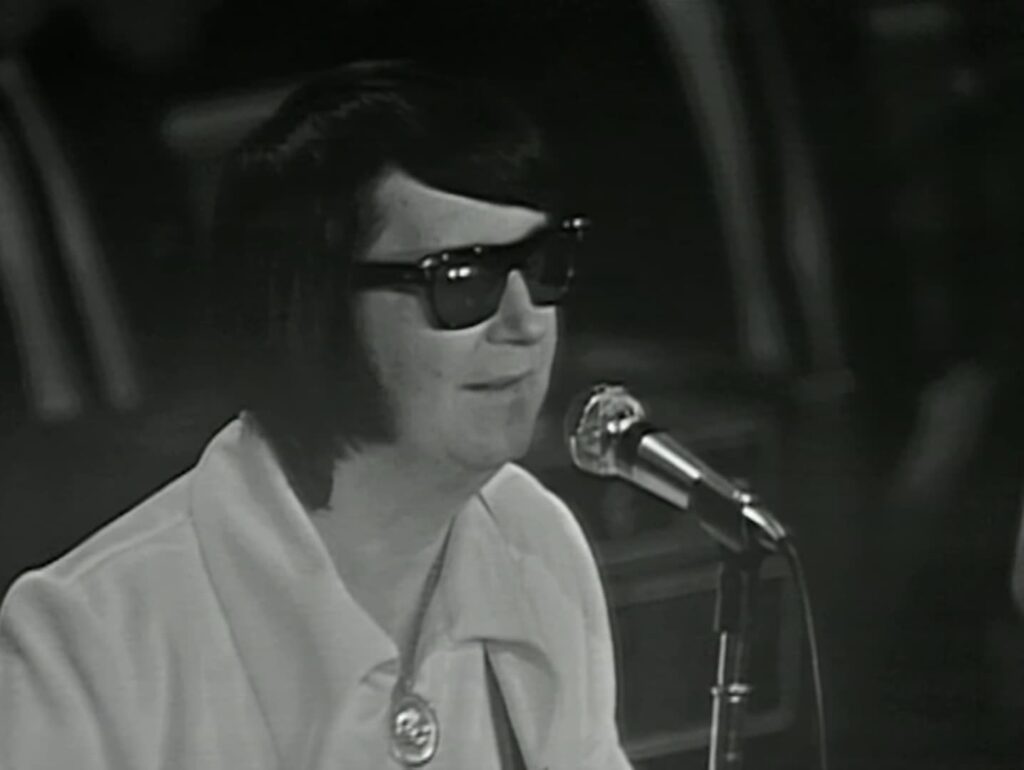
“Only The Lonely” – Roy Orbison’s timeless portrait of heartbreak that turned quiet sorrow into one of the most unforgettable voices in popular music.
In 1972, during a concert tour in Australia, Roy Orbison stepped onto the stage and delivered a performance that reminded audiences why his voice had long been considered one of the most haunting sounds in popular music. Among the highlights of that evening was “Only The Lonely”, the song that first transformed Orbison from a struggling songwriter into an international star more than a decade earlier.
Originally released in 1960 as a single by Roy Orbison, “Only The Lonely (Know the Way I Feel)” quickly climbed to No. 2 on the Billboard Hot 100 and reached No. 1 in the United Kingdom. The song later appeared on the album “Lonely and Blue”, establishing Orbison’s signature style. With its sweeping orchestration, dramatic build, and deeply emotional vocal delivery, the record broke away from the simple rock and roll formulas of the late 1950s and opened a new path for expressive pop ballads.
By the time Orbison performed the song in Australia in 1972, the music world had changed dramatically. Rock bands dominated the charts, and new sounds filled the airwaves. Yet when the opening notes of “Only The Lonely” began, the room seemed to pause. Orbison stood almost motionless beneath the stage lights, his trademark dark glasses reflecting the glow while his voice carried the melody with quiet intensity.
What made the performance remarkable was the control and clarity of his voice. Orbison never relied on flashy stage movements. Instead, he allowed the song itself to unfold like a small emotional drama. The gentle opening lines slowly rose into the soaring high notes that had become his hallmark. When he reached the climactic chorus, the audience responded with a wave of applause that echoed across the hall.
The story behind “Only The Lonely” adds another layer of meaning. Orbison co wrote the song with Joe Melson after experiencing years of rejection in the music industry. Several artists had turned it down before Orbison decided to record it himself. That decision proved historic. The song introduced the world to a voice capable of expressing heartbreak with operatic intensity while still sounding intimate and vulnerable.
During the 1972 Australian performance, those same qualities were still present. Each note seemed carefully placed, as if Orbison were revisiting a chapter of his own life. The arrangement remained faithful to the original recording, but the maturity in his voice gave the song an even deeper sense of reflection.
More than fifty years later, recordings of that concert continue to circulate among fans. Listening today, it is easy to understand why Roy Orbison earned admiration from artists across generations. His performance of “Only The Lonely” in Australia was not simply a reminder of a famous hit. It was a moment when a song about heartbreak once again found its way into the quiet corners of the human heart.