
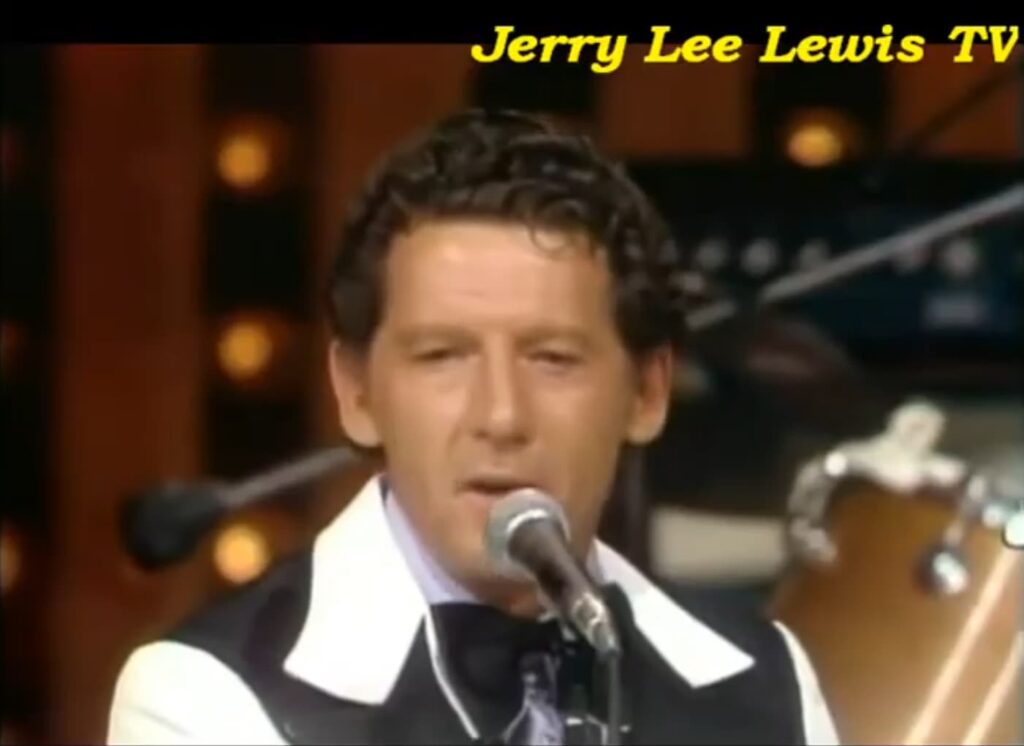
HE DIDN’T TRY TO OUTSING THE ORIGINAL. HE MADE “CHANTILLY LACE” SOUND LIKE IT HAD BEEN WAITING FOR HIS PIANO ALL ALONG.
By the time Jerry Lee Lewis performed “Chantilly Lace” in 1973, he had already lived several musical lifetimes. The wild rock and roll firebrand of the 1950s had reinvented himself as one of country music’s biggest stars, proving that even after scandal and career setbacks, true talent could always find another stage.
Originally a 1958 smash hit by The Big Bopper (Jiles Perry Richardson), “Chantilly Lace” is remembered for its playful spoken-word style, flirtatious humor, and unforgettable telephone conversation. Jerry never tried to imitate the original. Instead, he filtered the song through his own unmistakable personality, blending its rockabilly spirit with the country swagger and pounding piano that had become his signature.
That choice is what makes this performance so enjoyable. Jerry doesn’t merely sing the lyrics. He acts them out. Every line feels like a conversation with the audience, delivered with the mischievous grin and theatrical timing that earned him the nickname “The Killer.” His voice teases, laughs, and plays with the rhythm, turning a familiar hit into something that feels uniquely his.
The performance also carries an unavoidable sense of history. The Big Bopper lost his life alongside Buddy Holly and Ritchie Valens in the 1959 plane crash forever remembered as “The Day the Music Died.” Jerry never publicly described his recording of “Chantilly Lace” as a direct tribute, and it would be inaccurate to claim that was his stated intention. Even so, hearing one of rock and roll’s last surviving pioneers breathe new life into a song so closely associated with The Big Bopper naturally evokes memories of that remarkable generation that changed popular music forever.
What is especially fascinating is how comfortably Jerry balances two musical identities. By 1973, he was dominating the country charts, yet nothing about this performance hides his rock and roll roots. The driving piano, playful phrasing, and infectious energy remind listeners that while his career had evolved, the rebellious spirit that made him famous had never disappeared.
Looking back today, “Chantilly Lace” feels like more than a clever cover. It captures an artist who refused to be confined by a single era, proving that great performers don’t simply revisit old songs—they discover new ways to make them live.
 Oldies Songs