
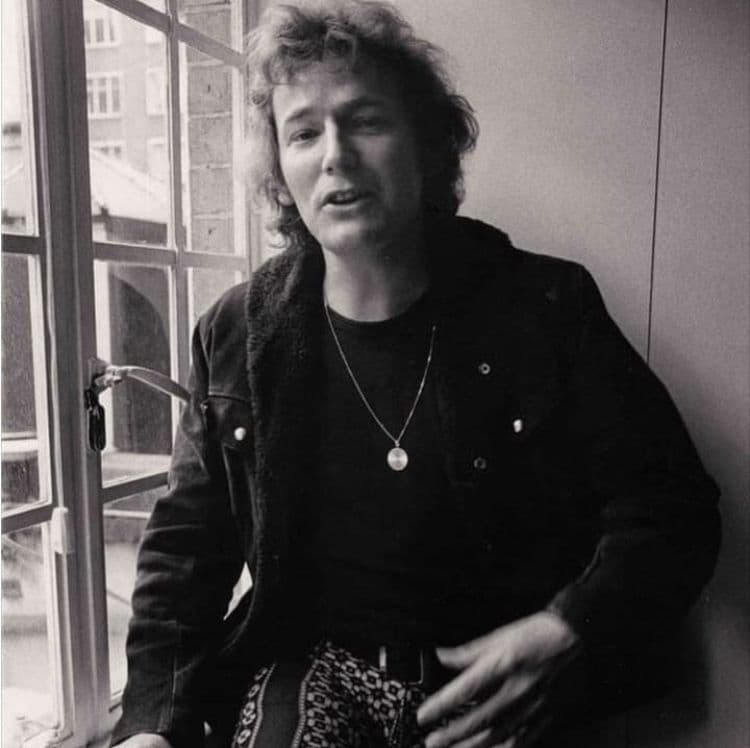
A lonely morning, a cooling cup of coffee, and the quiet fear of facing another day alone — “Second Cup Of Coffee” captures the kind of heartbreak that arrives not with drama, but with silence.
There are songs that shout their sorrow to the world, and then there are songs like “Second Cup Of Coffee” by Gordon Lightfoot — songs that barely raise their voice above a whisper, yet somehow say more about loneliness than entire albums ever could.
Released in 1972 on Lightfoot’s deeply respected album Don Quixote, the song was never issued as a major chart single, which perhaps explains why it remains one of the hidden treasures in his catalog rather than one of his radio staples. The album itself, however, was a major success, reaching No. 1 in Canada and entering the American charts at No. 42 on the Billboard 200. But while songs like “Beautiful” gained broader commercial attention, “Second Cup Of Coffee” quietly lived in another world entirely — one built for late nights, empty kitchens, and people who understand what regret sounds like when the house finally becomes still.
What makes the song so devastating is its simplicity.
“I’m on my second cup of coffee and I still can’t face the day…”
That opening line does not feel written. It feels overheard.
In typical Gordon Lightfoot fashion, the song avoids melodrama. There are no grand speeches, no dramatic orchestration, no attempt to turn pain into spectacle. Instead, Lightfoot paints the portrait of a man suspended between memory and self-destruction — someone trying to hold himself together with caffeine while quietly fearing the bottle waiting nearby.
And that is where the genius of the song lives.
Many writers in the early 1970s explored heartbreak, but few captured emotional exhaustion the way Lightfoot did. This is not the heartbreak of youth. This is the exhaustion of adulthood — when mistakes have names, faces, and consequences. The line about “a daughter and a son” changes the emotional gravity of the song entirely. Suddenly, this is not merely about a lost romance. It is about responsibility, guilt, distance, and the unbearable weight of knowing where things went wrong.
That emotional maturity became one of Lightfoot’s defining strengths as a songwriter. Unlike many singer-songwriters of the era who leaned toward poetic abstraction, Lightfoot often wrote with startling clarity. His songs felt lived-in. The rooms in his lyrics had ashtrays, radios, cold weather, and half-finished conversations. You could almost smell the coffee in this song, hear the quiet hum of the morning radio, feel the shaking hand reaching toward the telephone.
Musically, “Second Cup Of Coffee” is understated even by Lightfoot standards. The arrangement drifts gently between folk and country, wrapped in warm acoustic guitar textures that never overpower the lyric. That restraint matters. The music gives the listener space to sit with the narrator’s thoughts instead of distracting from them.
There is also a painful honesty in how the song portrays friendship and loneliness. One of the most haunting moments comes when the narrator reflects:
“My friends have all gone home…”
It is one of the oldest realizations in life — that crowds disappear when the night ends. The laughter fades. The house empties. And eventually, a person is left alone with themselves.
That emotional realism helped make Gordon Lightfoot one of the most respected songwriters of his generation. Even Bob Dylan famously admitted that whenever he heard a Lightfoot song, he wished it would last forever. Listening to “Second Cup Of Coffee,” it is easy to understand why. The song does not try to impress the listener. It simply tells the truth.
And perhaps that is why the song continues to resonate decades later.
Unlike many recordings from the early 1970s that became tied to trends or production styles, this song feels timeless because human regret never changes. The fear of making the wrong phone call, the temptation to numb pain instead of confronting it, the ache of remembering someone “who got lost along the way” — these emotions belong to every generation.
In many ways, “Second Cup Of Coffee” represents the quieter side of Gordon Lightfoot’s artistry. He was capable of writing massive narrative epics like “The Wreck Of The Edmund Fitzgerald”, but he was equally brilliant when describing something as ordinary as sitting alone at dawn with trembling hands and a cooling cup of coffee.