
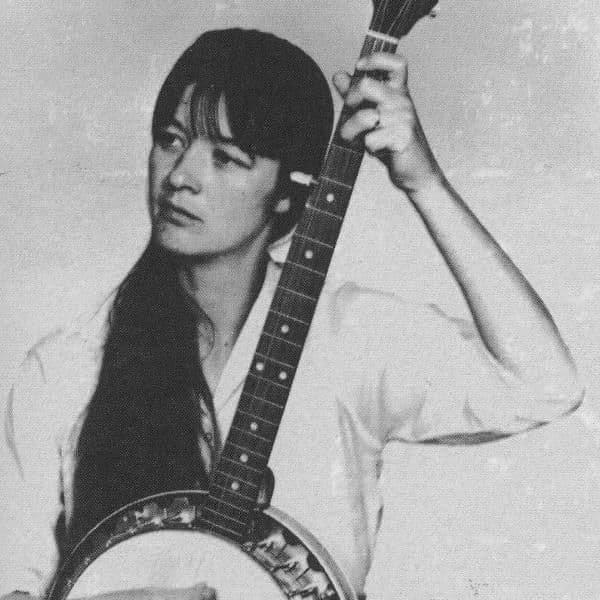
A Quiet Farewell to the Noise of the World — How Karen Dalton Turned Loneliness and Escape into Something Timeless
There are songs that arrive like a storm, demanding attention with grand arrangements and dramatic emotion. And then there are songs like “Are You Leaving for the Country” by Karen Dalton — songs that barely seem to knock before slipping quietly into the room, settling into the heart almost unnoticed. Yet decades later, they remain there, echoing with an intimacy that feels impossible to explain.
Released in 1971 on the album In My Own Time, “Are You Leaving for the Country” was never a commercial hit in the traditional sense. It did not climb the Billboard charts, nor did it receive the heavy radio play enjoyed by the polished singer-songwriters of the era. But over time, the song became something perhaps more meaningful: a hidden treasure passed from one listener to another, revered by musicians, collectors, and lovers of deeply human music. Today, both the song and the album are regarded as cult masterpieces of the early 1970s folk movement.
What makes the song unforgettable is not only the haunting fragility of Karen Dalton’s voice, but the way she sang as though she had already lived through every disappointment hidden inside the lyrics. Her voice carried the weathered ache of old blues records, yet there was also tenderness in it — a softness that made every line feel personal.
Born in Oklahoma and later becoming part of the Greenwich Village folk scene in New York during the 1960s, Karen Dalton was admired by fellow musicians long before the public fully discovered her. Even Bob Dylan once famously said that her voice reminded him of Billie Holiday. That comparison was not made lightly. Like Holiday, Dalton possessed an uncanny ability to sound vulnerable and wise at the same time, as if every note came from memory rather than performance.
By the time In My Own Time was recorded, America itself seemed emotionally exhausted. The optimism of the 1960s had begun to fade. The Vietnam War, political unrest, and the growing disillusionment of youth culture left many people searching for quieter truths. In that atmosphere, “Are You Leaving for the Country” felt almost like a whispered question asked late at night after everyone else had gone home.
The song speaks about escape, but not in a romanticized way. The “country” in the title is not merely a physical place. It represents distance from chaos, from heartbreak, from the emotional noise of modern life. There is uncertainty in the lyrics — perhaps even resignation. Rather than celebrating freedom, Dalton seems to ask whether leaving truly changes anything inside a wounded soul.
That emotional ambiguity is part of what gives the song its lasting power. It never tells the listener exactly how to feel. Instead, it leaves space for memory to enter. For some, the song recalls the end of youth. For others, it sounds like the loneliness of adulthood arriving quietly one morning without warning.
Musically, the recording is beautifully restrained. Unlike many folk recordings of the era that leaned heavily on political urgency or elaborate production, this track breathes slowly. The arrangement allows Dalton’s voice to remain at the center, surrounded by gentle instrumentation that feels almost suspended in time. There is a looseness to the performance — a lived-in quality — that makes it feel startlingly honest even today.
One of the most remarkable things about Karen Dalton is how little she seemed interested in fame itself. While many artists pursued visibility and commercial success, Dalton often appeared uncomfortable with the machinery of the music industry. That reluctance perhaps contributed to why she remained underappreciated during her lifetime. Yet ironically, it is precisely that lack of calculation that modern listeners now treasure. Nothing about her music feels manufactured.
Over the decades, “Are You Leaving for the Country” has quietly influenced countless artists in folk, Americana, and indie music. Singers searching for emotional authenticity often return to Dalton’s recordings as reminders that technical perfection matters far less than emotional truth. Her music sounds human in the deepest sense — imperfect, weary, searching.
Listening to the song today feels almost like opening an old photograph album found in a dusty attic. The world inside it is faded, but the emotions remain painfully clear. There is loneliness in the recording, certainly, but also dignity. Dalton never begged for sympathy. She simply sang the truth as she understood it.
And perhaps that is why the song continues to endure.
Not because it was a chart success.
Not because it became a radio classic.
But because somewhere inside “Are You Leaving for the Country,” listeners recognize a feeling they may have spent years trying to put into words themselves — the quiet desire to disappear for a while, to find peace somewhere far from disappointment, and to believe that maybe, just maybe, the heart can still heal in silence.