
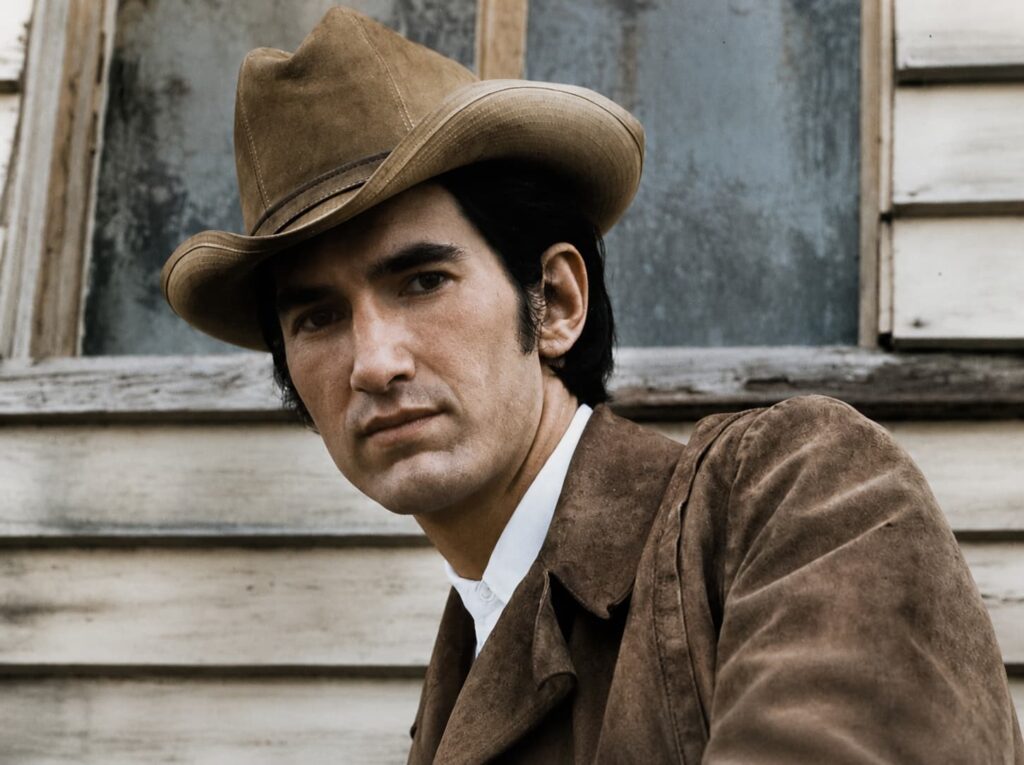
In 1987, Townes Van Zandt Returned With “At My Window” and Sounded Like a Man Quietly Watching Time Slip Away
By the time Townes Van Zandt released At My Window in 1987, nearly a decade had passed since his previous studio album, Flyin’ Shoes. For many listeners, the silence had become part of the mystery surrounding him. Townes already carried the reputation of a wandering poet, a songwriter admired almost reverently by fellow musicians yet somehow always drifting outside the commercial spotlight.
Then came “At My Window.”
The song, which also gave its name to his eighth studio album, did not arrive with grand ambition or dramatic reinvention. Instead, it felt deeply intimate, almost like opening the pages of a private journal written late at night while the rest of the world slept. In many ways, the recording became one of the clearest reflections of Townes Van Zandt himself: thoughtful, fragile, philosophical, lonely, and quietly beautiful.
From the opening line, “At my window watching the sun go,” the song moves with the calm stillness of evening settling over an empty room. Townes sings softly, almost conversationally, as though he is thinking aloud rather than performing. His voice sounds weathered but peaceful, carrying the emotional exhaustion of someone who has traveled very far both physically and emotionally.
That atmosphere defines the entire recording.
Unlike many singer-songwriters who sought dramatic emotional climaxes, Townes Van Zandt often wrote with extraordinary restraint. In “At My Window,” the deepest emotions arrive almost invisibly through simple observations about passing time, fading daylight, and the quiet tension between living and dying.
“All living is laughing. Dying says nothing at all.”
Few songwriters could compress an entire philosophy of life into such a simple line.
The 1987 album itself marked an important turning point in Townes’ career. It was his only studio album released during the entire 1980s and the first major collection of new material after years of absence. During that period, Townes’ legend had grown steadily among musicians and devoted fans even as mainstream commercial success continued to elude him.
Artists like Emmylou Harris, Willie Nelson, Steve Earle, and countless others already viewed him as one of America’s greatest songwriters. Yet Townes himself remained restless and elusive, living much of his life far from the comforts usually associated with fame.
That sense of drifting existence lingers throughout “At My Window.”
When he sings about “three dimes, hard luck and good times,” the words feel autobiographical without ever becoming self-pitying. Townes understood hardship intimately, but he rarely dramatized it. Instead, he approached life with a strange mixture of melancholy, humor, resignation, and poetic wonder.
The arrangement reflects that same emotional simplicity. Gentle acoustic instrumentation leaves enormous space around his voice, allowing listeners to focus on the lyrics and mood rather than production. The performance feels almost suspended in time, as though evening itself has been translated into music.
Listening today, the song feels especially haunting because Townes sounds so aware of life’s fragility. Yet there is no bitterness in the performance. Only reflection.
That may be why the song continues to resonate so deeply decades later.
Many artists sing about heartbreak or loneliness. Few capture the quiet acceptance of passing time the way Townes Van Zandt could. “At My Window” is not simply about sadness. It is about sitting still long enough to observe life honestly, without illusion or distraction.
And in 1987, after years away from the studio, Townes returned not with noise or spectacle, but with one of the gentlest and most profound songs of his career.