A Mother, A Daughter, and a Conversation That Meant More Than Music: Anne Murray’s Most Personal Television Appearance
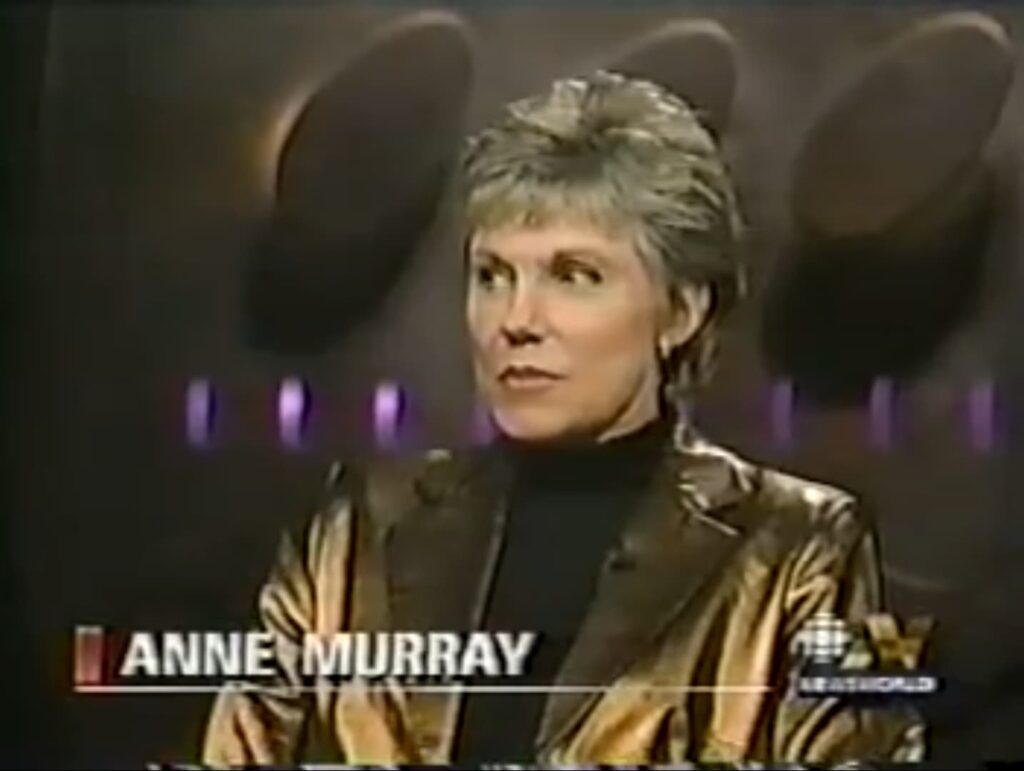
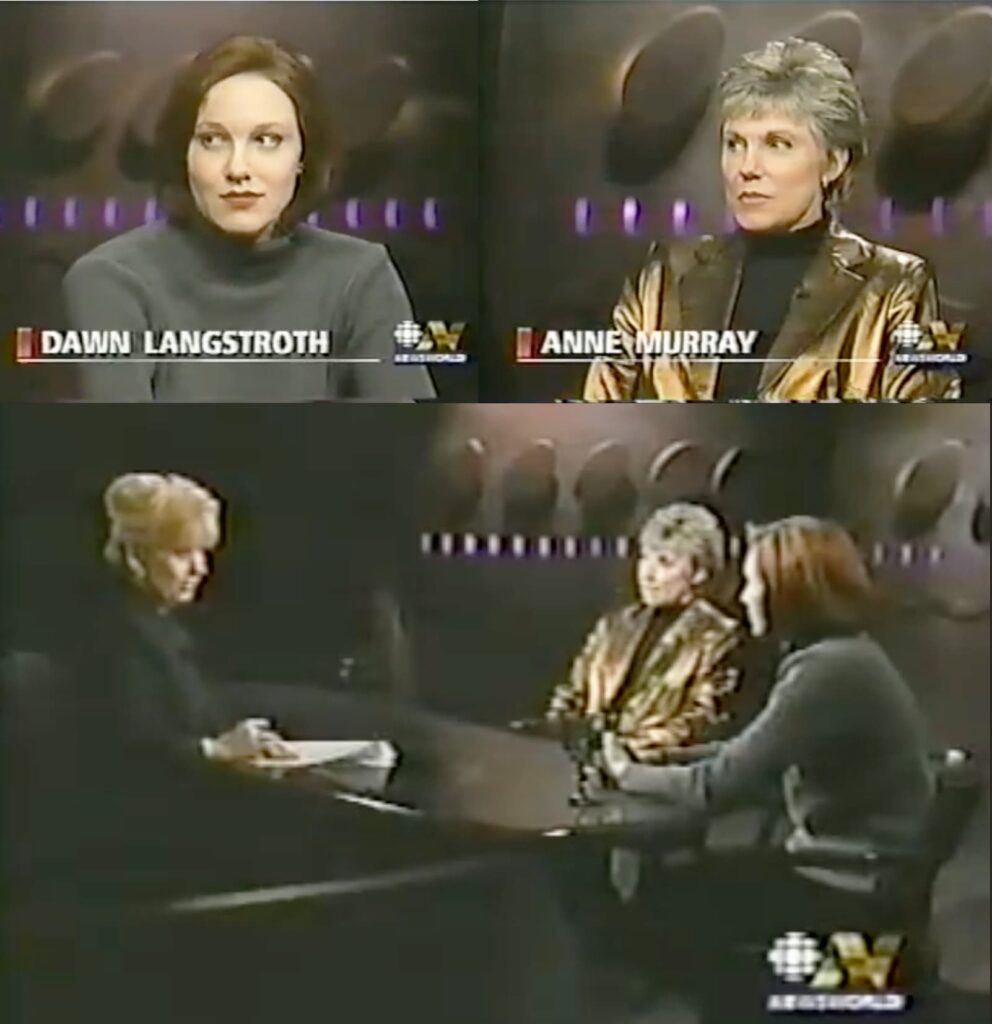
In January 1999, viewers of Pamela Wallin Live witnessed something far more meaningful than a celebrity interview. Sitting side by side were Anne Murray, one of Canada’s most beloved recording artists, and her daughter Dawn Langstroth, speaking openly about Dawn’s recovery from anorexia nervosa. It was a conversation marked not by fame or entertainment, but by honesty, courage, and the strength of family.
For many people, Anne Murray was already a household name. With a career spanning decades and hits that touched millions around the world, she had become one of the most respected voices in popular music. Yet on this occasion, she appeared not as an award-winning singer, but as a mother navigating one of the most difficult experiences a parent can face.
The interview offered a rare glimpse behind the public image.
Rather than discussing albums, tours, or chart success, the conversation centered on Dawn’s struggle and recovery. What made the interview especially powerful was the openness with which both women approached the subject. There was no attempt to sensationalize the story. Instead, they spoke with a quiet sincerity that allowed viewers to see the human side of a family confronting a serious challenge together.
For Anne Murray, the experience highlighted a reality familiar to countless parents. No amount of success, recognition, or accomplishment can shield a family from life’s difficulties. In that sense, the interview resonated far beyond the world of entertainment.
The late 1990s marked a period when public conversations about eating disorders were far less common than they are today. Many families faced such struggles in silence, often feeling isolated or misunderstood. By choosing to discuss Dawn’s recovery publicly, Anne and Dawn helped bring greater awareness to an issue affecting many households across North America.
What viewers often remember most is the dynamic between mother and daughter.
There is a noticeable warmth and respect throughout the conversation. Anne listens carefully. Dawn speaks thoughtfully. Neither tries to dominate the discussion. The result feels less like a television interview and more like an honest family conversation taking place in front of a national audience.
That authenticity is what continues to make the footage meaningful today.
Looking back more than two decades later, the interview also serves as a reminder of how perceptions of public figures can change. Fans who knew Anne Murray primarily through songs such as “Snowbird,” “You Needed Me,” and “Could I Have This Dance” were able to see another dimension of her character. Beyond the celebrated performer stood a devoted mother concerned for her daughter’s well-being.
The appearance also introduced many viewers to Dawn Langstroth as an individual rather than simply Anne Murray’s daughter. Her willingness to discuss recovery demonstrated considerable courage. Sharing such personal experiences on national television is never easy, particularly at a time when discussions surrounding mental health and eating disorders were often accompanied by stigma and misunderstanding.
Today, the interview feels remarkably ahead of its time.
Modern audiences are accustomed to celebrities speaking openly about personal struggles and recovery journeys. In 1999, such conversations were far less common. Anne Murray and Dawn Langstroth helped create space for a more compassionate public dialogue, showing that recovery is possible and that family support can play a vital role along the way.
Viewed through a contemporary lens, the interview remains valuable not because it features a famous singer, but because it captures something universal. It is a story about resilience, understanding, and the bond between a parent and child during a difficult chapter of life.
For longtime admirers of Anne Murray, the program offers one of the most revealing moments of her public life. Not a concert performance. Not an awards show appearance. Just a mother sitting beside her daughter, sharing a story that many families understand all too well.
Sometimes the most memorable moments in a public figure’s life are not found on a stage. They are found in conversations like this one, where honesty matters more than applause.
Video: