
By 1970, The Everly Brothers Were Already Drifting Apart in Real Life… Yet When Don and Phil Sang “Let It Be Me,” They Still Sounded Like One Soul Split Into Two Voices
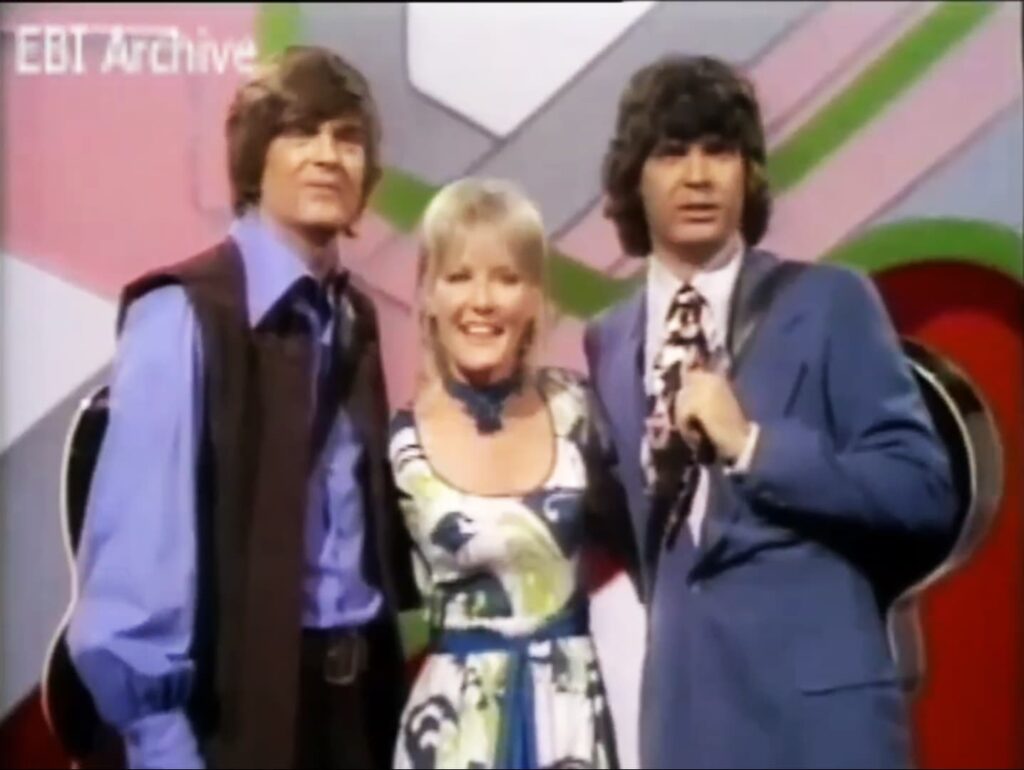
There is something almost haunting about watching Don and Phil Everly on Petula Clark’s television show in 1970.
At first, the atmosphere feels warm and playful. The brothers join Petula for a lively rendition of “The Games People Play,” trading harmonies with relaxed charm while the studio audience applauds enthusiastically. The performance captures a cultural moment when the innocence of the 1960s was beginning to fade into something more cynical and adult. Joe South’s song about hypocrisy, emotional dishonesty, and modern confusion suddenly sounded perfectly suited for 1970.
But the emotional center of the appearance arrives later with “Let It Be Me.”
By then, the Everly Brothers were no longer the fresh faced young stars who had once transformed popular music with hits like “Bye Bye Love” and “All I Have To Do Is Dream.” Years of relentless touring, exhaustion, industry pressure, and growing personal tension had begun wearing heavily on their relationship.
And somehow, that made their harmonies even more beautiful.
The great mystery of the Everly Brothers was always this: other duos sang together, but Don and Phil seemed to merge. Their voices blended so completely that listeners often stopped hearing two separate singers altogether. In performances like “Let It Be Me,” the harmony no longer sounds technical or rehearsed. It sounds almost supernatural, as if memory itself had learned how to sing.
That emotional depth becomes devastating during this 1970 performance.
Unlike their youthful recordings, there is now weariness inside the harmonies. Tenderness. A kind of lived in sadness that only arrives through time and accumulated pain. They do not oversing the emotion. In fact, the restraint is exactly what makes it hurt.
When they sing, “Don’t ever leave me lonely,” the lyric no longer sounds like a simple romantic plea. Through the voices of two increasingly estranged brothers, it begins to feel painfully personal.
That contradiction has fascinated fans for decades.
How could two men struggling so deeply with one another still sound so inseparable when they sang?
Perhaps because the Everly Brothers’ harmonies were built on something older and deeper than ordinary musical partnership. Before fame, before arguments, before exhaustion, there was blood, childhood memory, and years spent singing together long before the world knew their names.
Television itself also plays an important role in why this performance feels so intimate today.
Unlike modern productions filled with rapid editing and flashy staging, 1970 television moved slowly. The cameras stayed close to faces. Small expressions mattered. Silence mattered. Audiences were forced to sit inside the performance instead of being distracted away from it.
That intimacy becomes especially charming during the playful introduction segment with Petula Clark.
After accidentally mixing up Don and Phil, Petula jokingly refers to them as “the mother’s brothers,” creating one of the sweetest unscripted moments of the show. The brothers respond with dry sibling humor and effortless timing, revealing a warmth that still existed beneath years of tension.
Then comes Phil’s unforgettable line after Petula is complimented:
“You wouldn’t say that if she was your brother.”
It is a tiny joke, but fans treasure moments like this because they reveal the relaxed family rhythm the brothers could still fall into naturally, even during difficult years.
Watching the full performance now feels strangely emotional because nostalgia has not fully arrived yet. The Everly Brothers are not being treated as old legends or museum pieces. They are still active artists moving through adulthood while quietly carrying the cracks beginning to form beneath the surface.
And maybe that is why the performance lingers so powerfully.
You can already hear time entering the harmonies.
The songs are still beautiful. The voices still blend perfectly. But somewhere underneath the music, there is the faint sadness of two brothers trying to hold onto something that could never completely stay unchanged forever.