
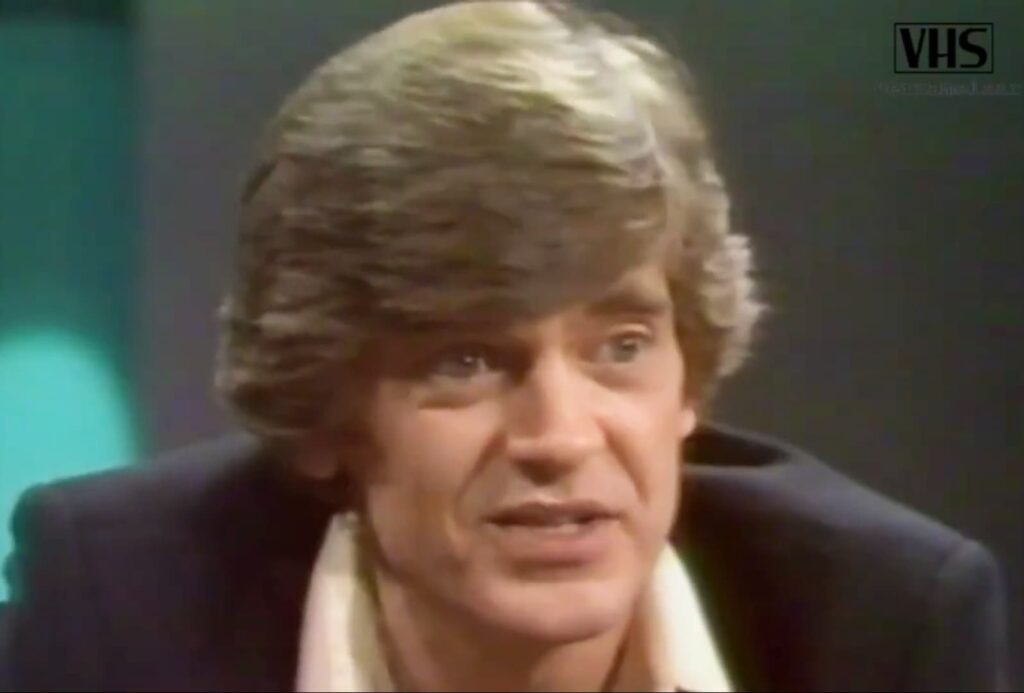
In 1982, Phil Everly Sat Alone on Dutch Television and Quietly Revealed Why The Everly Brothers Were Never Just Another Rock and Roll Duo
By the time Phil Everly appeared in a rare solo Dutch television interview in 1982, the legendary The Everly Brothers had already been separated for nearly a decade. The painful breakup between Phil and his older brother Don Everly in 1973 had shocked the music world after more than thirty continuous years of performing together. Yet sitting calmly before the cameras just one year before their historic 1983 reunion concert at London’s Royal Albert Hall, Phil carried no bitterness in his voice.
Only warmth, humility, and memory.
What makes the interview so moving today is not simply the history discussed, but the remarkable gentleness with which Phil reflected on one of the most influential partnerships in modern music history. Long before groups like The Beatles transformed popular music, the Everly Brothers had already changed the sound of harmony singing forever. Their “blood harmonies” became a blueprint for generations of rock, folk, and country artists.
Yet Phil spoke about his own extraordinary voice almost dismissively.
Laughing softly, he joked that he might still reach those famous high notes “if I stood on tiptoes.” Then came the moment that revealed his character completely. Looking back at old performance footage, Phil explained how he constantly watched Don onstage so he would know exactly when to enter with the harmonies. Without hesitation, he quietly admitted that his older brother possessed “quite a bit more talent” than he did.
The honesty was startling.
Most legendary musicians spend interviews protecting their legacy. Phil Everly seemed far more interested in protecting his brother’s.
That humility became even more touching considering the timing. The brothers were still estranged when this interview took place. The wounds from their split clearly remained private and painful. When the Dutch interviewer gently asked why the Everlys stopped performing together after more than three decades, Phil politely closed the door on the subject, calling it “a family matter” they chose not to discuss. Still, after a brief pause, he admitted something heartbreaking in its simplicity:
“I sometimes miss the music.”
Those five words carried the sadness of an entire era.
Throughout the conversation, Phil traced the melodic beauty of the Everly Brothers directly back to their Kentucky roots. Before rock and roll fame ever arrived, the brothers had grown up immersed in country and western traditions, performing live family radio shows from childhood. Phil explained that the structure and emotional pull of their harmonies came naturally from that early musical upbringing. Even when they entered rock and roll, the country soul underneath never disappeared.
One of the most emotional moments arrived unexpectedly when the interviewer surprised Phil with recovered footage from an old Tennessee Ernie Ford television appearance. Watching the decades-old clip for the first time in years, Phil became visibly nostalgic. He fondly remembered Ford not only as a great entertainer, but as a deeply charitable and generous man.
The footage itself showed a remarkable family guitar trick passed down from the Everly family patriarch. Three musicians playing a single guitar together in perfect harmony. It was part vaudeville act, part Appalachian family tradition, and completely unforgettable.
What makes this interview resonate so strongly now is the quiet contrast running through every moment of it. Phil Everly helped create some of the most beautiful harmonies ever recorded, influenced countless legendary artists, and helped shape early rock and roll itself. Yet he spoke like a humble Kentucky musician who still seemed surprised anyone remembered.
Looking back today, the interview feels almost painfully intimate.
Not because Phil Everly was trying to reveal himself dramatically, but because he never was.
He simply sat there with dignity, spoke gently about music, family, memory, and time, and reminded viewers that some of the greatest artists in American history carried their greatness with extraordinary grace.