
Canadian Railroad Trilogy — a sweeping remembrance of a country built on dreams, steel, and the quiet courage of those who worked in the shadows
When you return to “Canadian Railroad Trilogy” by Gordon Lightfoot, it feels less like listening to a song and more like opening a long-forgotten history book — one written not with dates and footnotes, but with reverence, gratitude, and the ache of a nation remembering its own heartbeat. From the very first notes, Lightfoot doesn’t merely sing about a railway; he resurrects the people who carved it out of wilderness, the ambition that pushed a young country forward, and the cost buried beneath every shining rail.
What makes “Canadian Railroad Trilogy” extraordinary is not only its scale but its humanity. Lightfoot structures it in three movements — a quiet dawn, a rhythmic surge of labor and ambition, and a reflective, mournful closing — as if guiding the listener through a country’s memory. The opening is tender: the land lies untouched, silent, ancient. You can almost feel the mist rising from the forests, the rivers still undisturbed. Then the tempo shifts, and the workers arrive — ordinary men asked to do extraordinary things. With picks, shovels, and raw endurance, they cut through stone, forests, and mountains, building a rail line that would bind a vast land together.
But Lightfoot, with his unmatched gift for storytelling, refuses to romanticize the labor. Beneath the triumphant rhythm lies the truth: men worked themselves to the bone, some never returning home. Others vanished into the wilderness, marked only in memory. And as the suite slows once more, he sings not with pride alone, but with sorrow — sorrow for the sacrifices overshadowed by progress, for the nameless who made it possible, for the way time erases even the hardest labor.
This is what sets the song apart. It is not nationalistic fanfare. It is a eulogy wrapped in a ballad — tender, sweeping, honest. For older listeners especially, the song resonates on several levels. Many remember the era when railways symbolized connection, hope, and the promise of a changing world. Trains carried families across vast distances, brought new beginnings, and sometimes took loved ones away for good. To hear Lightfoot sing of their creation is to remember the sound of an approaching whistle, the vibration in the tracks, the feeling of a small town waiting at a lonely platform.
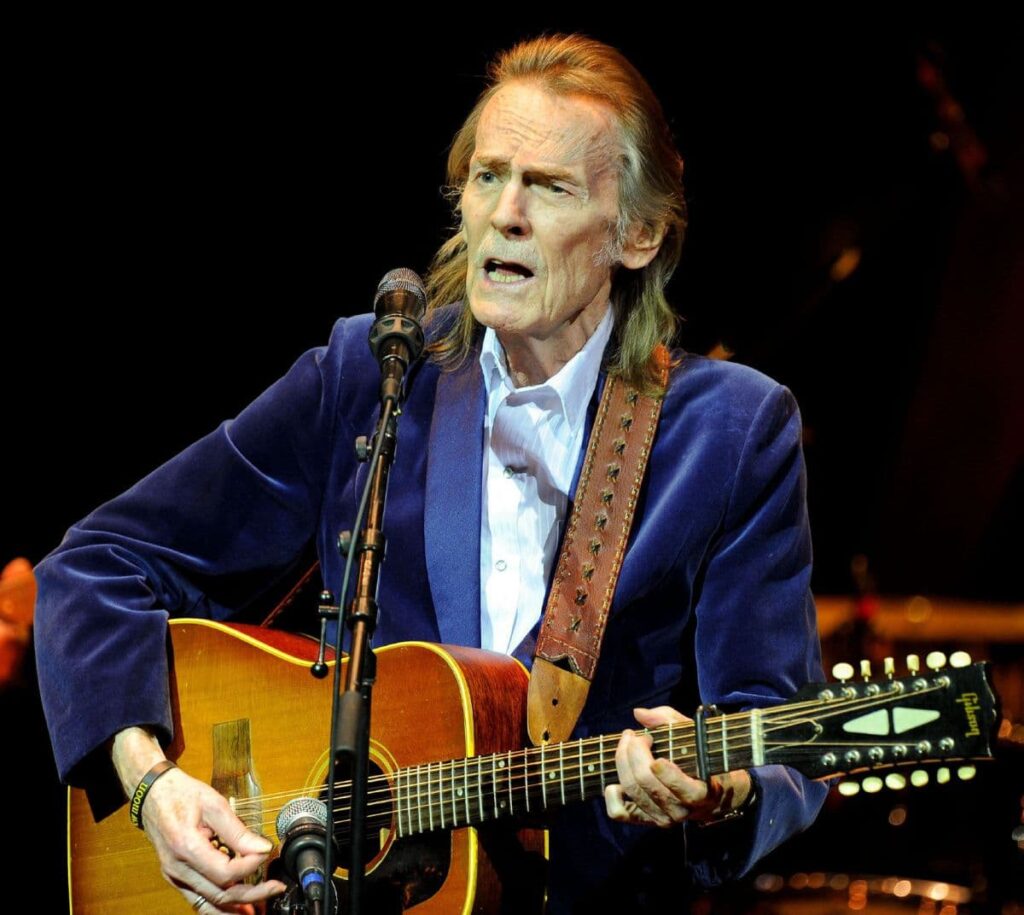
Lightfoot’s warm, weathered voice—already rich with storytelling even in his early years—adds gravity to each line. He sings with the cadence of someone who has walked those tracks himself, someone who knows both their triumph and their cost. His respect for the past is unwavering. He does not glorify; he remembers.
And perhaps that is why “Canadian Railroad Trilogy” endures long after other centennial tributes have faded. It reminds us that behind every nation’s progress are hands that worked in the cold, backs that bent under weight, and hearts that believed in something larger than themselves. It reminds us, too, of the landscapes of our youth, the journeys that shaped our families, the rumbling tracks that once cut through our own lives.
Listening today feels like sitting beside an elder who has lived long enough to see dreams built, forgotten, and rediscovered. Lightfoot hands us the story gently, saying: Do not forget the people who made the road beneath your feet.