
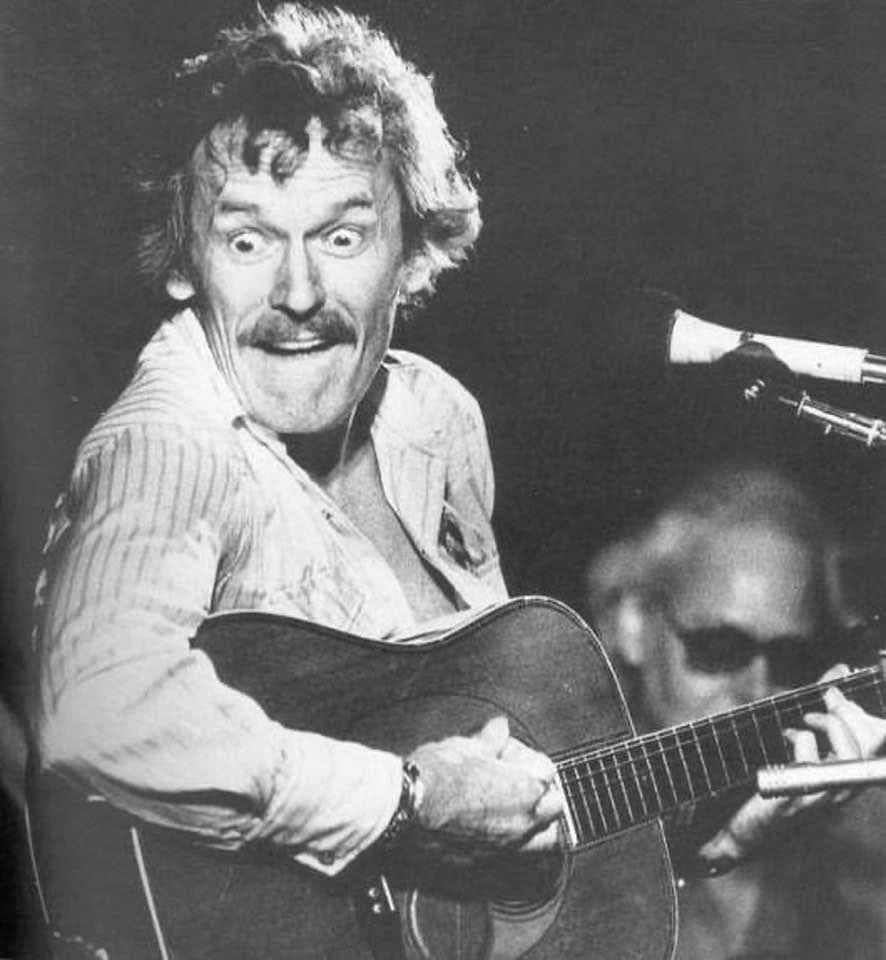
Gordon Lightfoot’s “Steel Rail Blues” Endures as a Timeless Journey Through Folk Music History
The legacy of Gordon Lightfoot continues to resonate through the songs that defined his remarkable career, and few compositions capture his artistry more vividly than “Steel Rail Blues.” Following the passing of the celebrated Canadian singer songwriter, the song has taken on renewed emotional significance, serving as a powerful reminder of the enduring connection between music, memory, and storytelling.
Originally written and recorded by Lightfoot, “Steel Rail Blues” stands as one of the finest examples of his ability to transform simple imagery into deeply meaningful narratives. The song evokes the rhythm of travel, longing, and homecoming, themes that appeared throughout much of his work. In the wake of his passing, many have reflected on its lyrics and imagery, imagining the legendary musician embarking on one final journey along the great steel rail.
Lightfoot’s influence on popular music extended far beyond his own recordings. His songwriting earned admiration from some of the most respected artists of his era. Bob Dylan famously described Gordon Lightfoot as his favorite songwriter, a tribute that highlights the extraordinary respect Lightfoot commanded among fellow musicians. His gift for crafting memorable melodies and thoughtful lyrics placed him among the most important voices in folk and contemporary music.
The reach of “Steel Rail Blues” is also reflected in its connection to another celebrated songwriter, Jim Croce. The song appeared on Croce’s first album, illustrating the impact Lightfoot’s work had on emerging artists of the time. The recording created an enduring link between two beloved figures whose music continues to inspire generations.
Beyond his songwriting, Lightfoot was admired for his complete artistic vision. He was not only responsible for writing his songs but also for composing the music that brought them to life. This rare combination of talents helped establish a catalog filled with authenticity, emotion, and craftsmanship.
Many music lovers place Lightfoot alongside artists such as Simon and Garfunkel, the Beach Boys, and James Taylor, performers known for telling compelling stories through song. Their music reflected human experiences with honesty and depth, creating works that have remained relevant for decades.
Today, “Steel Rail Blues” remains more than a classic folk recording. It stands as a symbol of Gordon Lightfoot’s enduring legacy, a testament to the power of storytelling in music, and a reminder of an artist whose songs continue to travel across generations, much like the endless railway that inspired one of his most cherished compositions.