
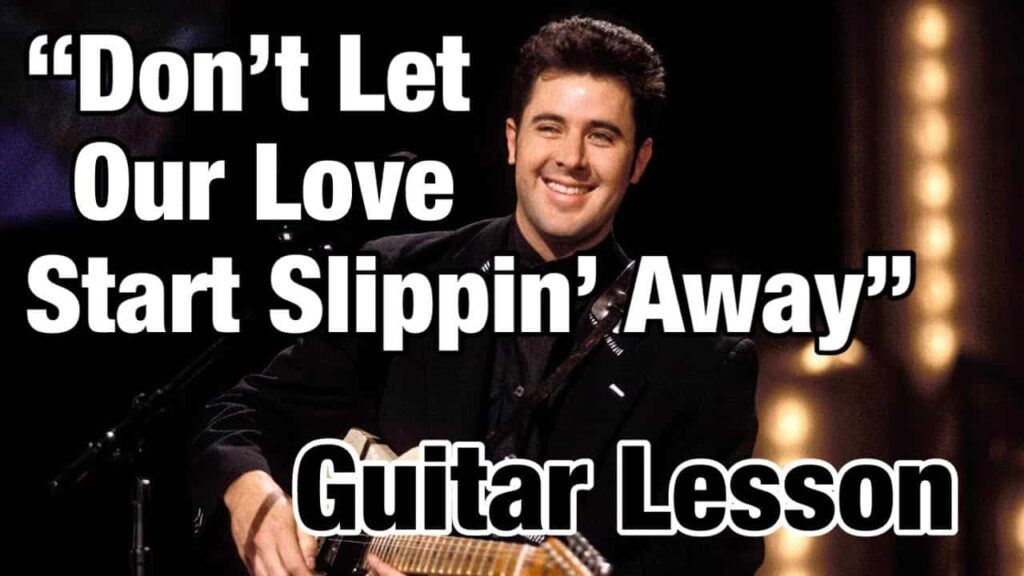
A Heartfelt Plea to Preserve Love in an Era of Change
When “Don’t Let Our Love Start Slippin’ Away” emerged in the autumn of 1992, it was more than just another country single on the radio. It stood as a deeply emotional testament to love’s fragility and the earnest determination to hold it together even as life’s pressures pull at its edges. For many listeners, especially those acquainted with the evolving rhythms of life and long-standing relationships, this song resonates like a familiar vignette of love fought for rather than taken for granted.
“Don’t Let Our Love Start Slippin’ Away” was released on October 12, 1992, as the second single from Vince Gill’s celebrated album I Still Believe in You. The track climbed steadily through the charts and ultimately reached Number One on the U.S. Billboard Hot Country Singles & Tracks chart, where it remained for multiple weeks between December 1992 and January 1993. It also topped the Canadian RPM Country Tracks chart, solidifying its status as one of the era’s defining country hits.
Written by Vince Gill and his frequent collaborator Pete Wasner, the song finds its emotional core in a narrative as timeless as love itself: two people acutely aware that something precious is fraying and yet unwilling to let it slip away quietly. Gill sings of nights spent awake, wrestling with problems that refuse easy solutions, and a heartfelt plea that echoes in the chorus, “Don’t let our love start slippin’, love start slippin’ away.” The lyrics are simple on the surface yet deeply evocative, capturing both the fear of loss and the hope that honest communication and shared effort can restore what once seemed unbreakable.
The context of the song’s creation lends further weight to its emotional impact. At the time, Gill was navigating personal challenges in his own marriage, and many of the tracks on I Still Believe in You reflect an artist confronting vulnerability and yearning for connection. While the album’s title track is a soaring ballad about holding onto love, “Don’t Let Our Love Start Slippin’ Away” uses a more upbeat tempo and bright arrangement to deliver its earnest message: love requires attention, dialogue, and persistent care.
Musically, the song captures the essence of early 1990s country, with crisp production, a steady rhythmic drive, and Gill’s warm, crystalline voice front and center. Despite its uptempo feel, there is a palpable emotional undercurrent; the music seems to propel forward with both urgency and tenderness, much like the resolve embedded in the lyrics. Gill’s guitar work both melodic and expressive accentuates the song’s blend of vulnerability and hope.
The accompanying music video, directed by John Lloyd Miller, further underlines the sense of community and shared experience around this song. Rather than featuring a conventional narrative, Gill performs in a club alongside a constellation of country music luminaries artists whose shared presence suggests a collective acknowledgment of love’s universal challenges. The star-studded cameos, including artists from Reba McEntire to Patty Loveless, offer a snapshot of the era’s vibrant country music scene and reinforce the song’s broader appeal.
For many listeners today, the song evokes warm memories of an era when country radio was rich with stories that felt intimately personal yet universally relatable. It invites reflection on the moments when relationships have tested our patience and resolve, and when, despite fatigue and doubt, we chose to stay and nurture what we hold dear. Its enduring appeal stems from that sincerity a reminder that love, in all its fragile beauty, deserves steadfast attention before the inevitable slippage becomes irreversible.
In the grand tapestry of Vince Gill’s career, “Don’t Let Our Love Start Slippin’ Away” stands not only as a commercial triumph but as a deeply human narrative. It continues to resonate because love itself remains one of life’s most profound, complex, and cherished themes. To hear this song today is to take a step back into a moment when music spoke with clarity to the heart’s quietest fears and bravest hopes.