
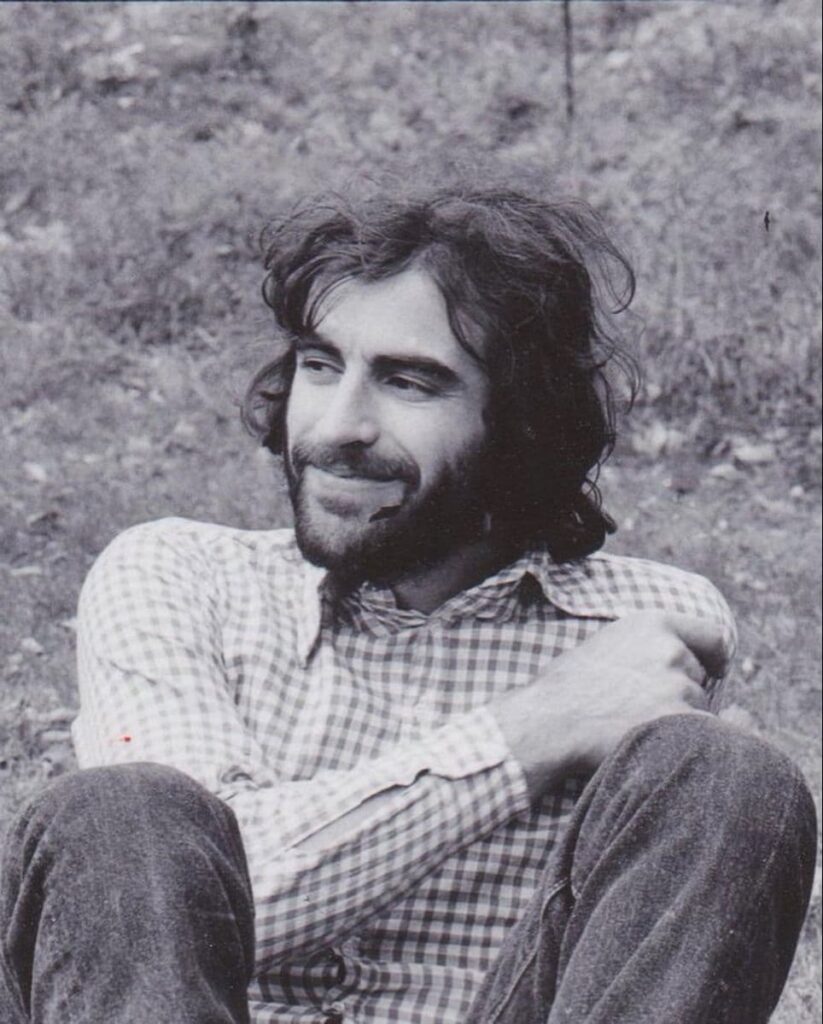
Chest Fever — the sound of a restless soul, burning faith, and the raw fire at the heart of American roots music
There are songs that announce themselves gently, and there are songs that arrive like a sudden awakening. “Chest Fever” belongs firmly to the latter. From its first thunderous, church-like organ notes to the impassioned vocal delivered by Richard Manuel, this song does not merely play — it confronts. Released in 1968 on The Band’s landmark debut album Music from Big Pink, “Chest Fever” captured a moment when rock music turned inward, searching for meaning, faith, and emotional truth amid a turbulent world.
Placed prominently early on the album, “Chest Fever” was also issued as a single and reached the lower half of the Billboard Hot 100, peaking around the mid-40s — a modest chart showing that barely hinted at the song’s long-term influence. Commercial numbers, however, were never the measure of its importance. What mattered was the sound: raw, solemn, and electrifying in a way few recordings of the era dared to be.
The story behind “Chest Fever” begins with the unique chemistry inside The Band. While the song is officially credited to Robbie Robertson, its identity is inseparable from Richard Manuel’s aching vocal and Garth Hudson’s unforgettable organ introduction. That opening — often expanded in live performances into a full-blown classical-inspired prelude — sounds like a cathedral rising from the soil of American rock. It set the tone for something deeply spiritual, yet deeply troubled.
Manuel’s voice is the emotional center of the song. Fragile, strained, and utterly sincere, it conveys a sense of inner struggle that feels almost biblical. When he sings of a burning in the chest, it is not simply desire or illness; it is conviction, doubt, guilt, and revelation all tangled together. This was not a polished pop performance — it was a confession. Manuel sang as someone wrestling with belief, identity, and the weight of expectation, themes that echoed powerfully in the late 1960s.
The lyrics of “Chest Fever” are deliberately ambiguous, drawing from religious imagery without settling into dogma. There is fire, there is judgment, there is the sense of being called to something higher while feeling painfully unworthy. That tension gives the song its lasting power. It speaks to anyone who has ever felt pulled between faith and fear, purpose and uncertainty. The fever in the chest becomes a metaphor for the soul itself — restless, demanding attention, refusing to be ignored.
Within Music from Big Pink, the song plays a crucial role. While other tracks offered pastoral calm or nostalgic warmth, “Chest Fever” was urgent and unsettling. It reminded listeners that beneath the album’s earthy surface lay profound emotional complexity. The Band were not romanticizing the past; they were wrestling with it, questioning inherited beliefs, and reshaping them through music.
For Richard Manuel, the song stands as one of his defining moments. Though quieter and less outwardly commanding than some of his bandmates, Manuel possessed a rare gift: the ability to sound utterly exposed. In “Chest Fever,” that vulnerability is unmistakable. His voice cracks not from weakness, but from honesty. It is the sound of someone giving everything he has, even if it costs him something in return.
Decades later, “Chest Fever” remains a towering achievement — not because it comforts, but because it understands. It understands inner conflict. It understands longing without easy answers. And it understands that some songs are meant not to soothe the listener, but to awaken them.
To hear it now is to be reminded that music can still burn, still challenge, still stir something deep within the chest. And when Richard Manuel sings, that fire feels painfully real — a reminder that the greatest songs are not those that shine the brightest, but those that dare to glow from within.