
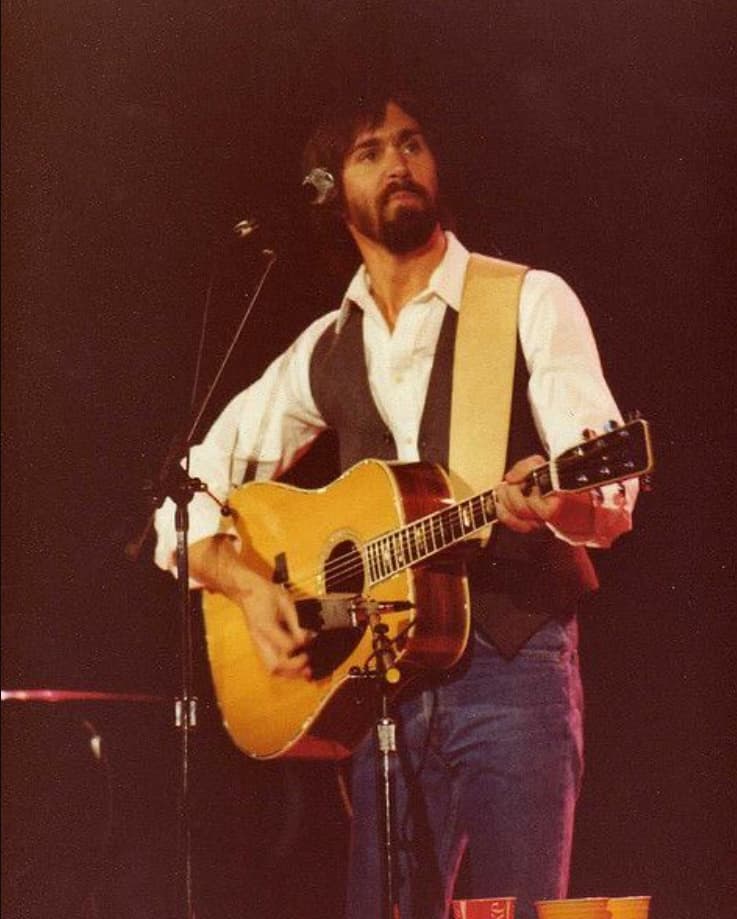
Heart Hotels — a tender portrait of love left behind in anonymous rooms and passing nights
There is a particular kind of loneliness that only the road can teach you — the quiet emptiness of hotel rooms that all look the same, the hum of city lights outside a window, the echo of applause already fading into memory. “Heart Hotels” by Dan Fogelberg captures that feeling with rare honesty and grace. Released in 1979 on the album Phoenix, the song reached No. 21 on the Billboard Hot 100 and became one of Fogelberg’s most quietly resonant works, especially for listeners who understood that success often comes with its own private cost.
By the time Phoenix arrived, Dan Fogelberg was no longer an emerging songwriter; he was already a trusted voice of introspection and emotional clarity. Yet “Heart Hotels” revealed something new — not youthful yearning, but adult reflection. Written during a period when Fogelberg was constantly touring, the song grew directly from his experience of living out of suitcases, moving from city to city, carrying memories of love that had no place to land. The “heart hotels” of the title are not buildings at all, but emotional waystations — places where feelings stay briefly before being left behind.
From its opening lines, the song speaks with gentle resignation rather than drama. There is no anger here, no blame. Only acceptance. The narrator recognizes that love, once deeply felt, has become transient — a memory revisited late at night, then folded away again by morning. Fogelberg’s voice, warm and restrained, delivers the lines as if he is speaking softly to himself, unwilling to wake the past too abruptly.
What gives “Heart Hotels” its lasting power is the way it honors emotional truth without exaggeration. Fogelberg does not romanticize the loneliness of touring; he simply names it. The woman in the song is not vilified or idealized — she is remembered. The love they shared mattered, and that is precisely why its absence is felt so keenly. When he sings about “love that once was mine,” the phrasing suggests gratitude as much as loss. This is not regret for loving — it is sorrow that love could not stay.
Musically, the song mirrors its theme. The arrangement is spacious and understated, built around gentle acoustic textures and a steady, unhurried tempo. There is room for silence between phrases, allowing the listener to sit with the emotion rather than be carried away by it. This restraint is part of what makes the song feel so intimate, as though it were written not for a crowd, but for one quiet listener at the end of a long day.
Within the broader context of Dan Fogelberg’s career, “Heart Hotels” feels like a turning point. Earlier songs often carried the glow of romantic hope; here, hope has matured into understanding. Love is no less meaningful — only more fragile. The song acknowledges that timing, distance, and the demands of a chosen life can reshape even the deepest connections.
For many listeners, especially those who have lived through seasons of separation and sacrifice, the song resonates on a personal level. It speaks to anyone who has ever lain awake in a unfamiliar room, replaying conversations that once felt permanent. It reminds us that some loves do not end with a dramatic farewell; they simply fade into memory, revisited only in quiet moments.
Decades later, “Heart Hotels” remains a song that grows richer with age. It does not chase nostalgia; it earns it. In its gentle honesty, it offers companionship — not the loud reassurance that everything will be fine, but the softer comfort of knowing that someone else has felt this too.
And perhaps that is its greatest gift: in a world of passing nights and temporary shelters, “Heart Hotels” becomes a place where memory rests — not forever, but long enough to be honored before moving on.