
A Quiet Blessing for the Road Behind and the Miles Still Ahead
Few songs age as gently and truthfully as “Long May You Run”, especially when filtered through the clear, humane voice of Emmylou Harris. Originally written by Neil Young and first released in 1976 by The Stills-Young Band, the song entered the public consciousness as a modest but resonant hit. Upon its release, the original version reached No. 26 on the Billboard Hot 100 and climbed to No. 4 on the Adult Contemporary chart, a respectable showing for a song that never chased trends or radio spectacle. Its power lay elsewhere, in tone, memory, and emotional understatement.
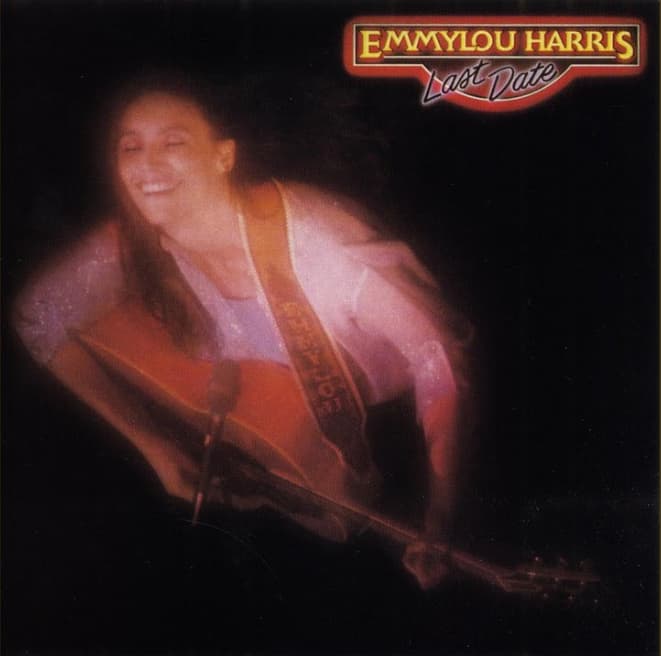
When Emmylou Harris chose to include “Long May You Run” on her 1982 live album Last Date, she was not attempting to improve upon the song or reinterpret it radically. Instead, she offered something quieter and perhaps more enduring. Her version feels less like a performance and more like a moment of shared reflection. Recorded during a period when Harris was already widely respected for her interpretive gifts, the song fit naturally into her repertoire of reflective, emotionally literate material. Last Date itself is remembered as a document of Harris’s stage presence at a mature point in her career, capturing not showmanship but connection.
The story behind “Long May You Run” is famously specific yet endlessly adaptable. Neil Young wrote the song as a tribute to his first car, a 1948 Buick Roadmaster hearse affectionately nicknamed Mort. The lyrics speak directly to that vehicle, celebrating its reliability, its scars, and the shared history between driver and machine. On paper, this premise might seem narrow or even eccentric. In practice, the song transcends its origin almost immediately. It becomes a meditation on loyalty, endurance, and the quiet companionship of things and people that stay with us through changing seasons.
What makes Emmylou Harris’s rendition so affecting is her instinctive understanding of that emotional subtext. She does not sing the song as a curiosity about an old car, nor as a nostalgic novelty. Instead, she leans into the universal meaning embedded within the lines. In her hands, “Long May You Run” sounds like a blessing offered at a crossroads, a wish spoken softly rather than declared. Her voice, restrained and luminous, allows the listener to project personal memories onto the song without interference.
Musically, the arrangement remains simple and respectful of the original. There is no dramatic restructuring, no attempt to modernize or embellish. This restraint is essential. Harris’s interpretation relies on clarity of phrasing and emotional transparency. Each line lands with the weight of lived experience, as if the song has been carried for years before being sung aloud. That sense of having been lived with, not merely learned, defines her greatest performances.
The meaning of “Long May You Run” has expanded over time, particularly through interpretations like Harris’s. While its lyrics never abandon their original subject, they invite broader reflection. The song has often been understood as a celebration of enduring friendship, of bonds that persist despite wear and distance. It speaks to the value of continuity in a world that rarely pauses. There is gratitude in its tone, but also acceptance, an acknowledgment that nothing lasts forever, which makes the wish itself more poignant.
For listeners who have accumulated decades of memories, this song does not ask for nostalgia. It simply opens the door to it. Emmylou Harris does not insist on any single emotion. Instead, she trusts the listener to bring their own history into the space the song creates. That trust is rare, and it is why her version of “Long May You Run” continues to resonate quietly, long after charts and release dates have faded from relevance.
In the end, the song endures not because of its commercial performance or its clever origin story, but because it understands something essential. Some journeys matter not for their destination, but for the companionship along the way. In Emmylou Harris’s voice, that understanding feels not like a conclusion, but like a gentle promise carried forward.