
A restless song carried by the plains, where freedom, doubt, and endurance ride the same wind
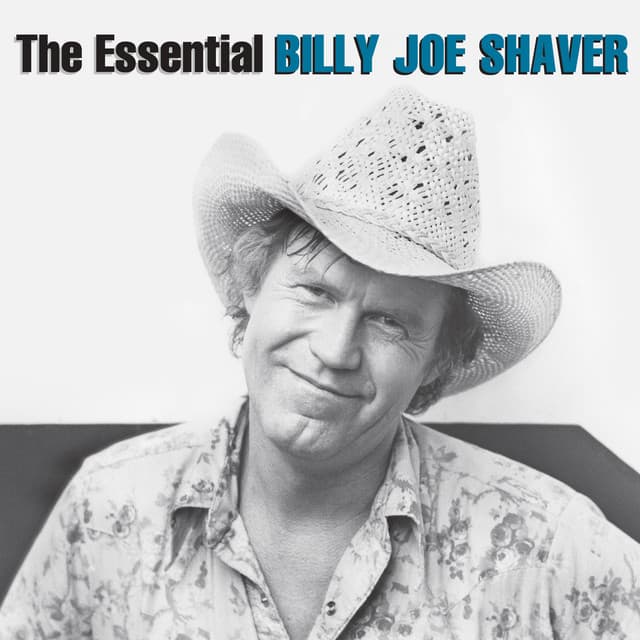
Oklahoma Wind stands as one of the most revealing songs in the catalog of Billy Joe Shaver, not because it climbed the charts, but because it distilled a lifetime of hard truths into a few unguarded verses. Written and performed by Shaver and released on his self-titled album Billy Joe Shaver on Columbia Records in 1981, the song did not enter the Billboard country singles chart. Yet its absence from the rankings only underscores its role. This was never a commercial bid. It was a personal statement, delivered quietly and honestly, in the plainspoken language Shaver had mastered by that point in his life.
The album itself arrived at a difficult moment in Shaver’s career. By the early 1980s, Nashville had largely turned its attention elsewhere, favoring polished crossover sounds over the raw, uncompromising voices of outlaw country. Billy Joe Shaver, the album, was his attempt to reintroduce himself on his own terms. Among its tracks, Oklahoma Wind emerged as a defining moment. It captured the essence of a man shaped by highways, honky-tonks, and the wide emotional geography of the American plains.
From its opening lines, the song establishes motion as destiny. The “wind” is not merely a weather pattern or a regional detail. It is an inner force, an unrelenting pull that drives a person onward even when staying might seem easier. Shaver sings of being unable to settle, of feeling compelled to keep moving, not out of restlessness alone but out of necessity. For listeners who have lived long enough to understand how certain urges never fade, the song resonates with quiet recognition.
One of the most striking elements of Oklahoma Wind is its grounding in real places. The lyric’s reference to Cain’s Ballroom in Tulsa is not decorative nostalgia. Cain’s was a sacred room for Western swing, country, and working musicians, a place where the road and the stage met honestly. By naming it, Shaver anchors his song in lived experience. These are not imagined highways or symbolic towns. They are places where people worked, played, argued, and survived.
Beneath the geography lies a sharper edge. The song openly touches on social injustice and a deep mistrust of authority. Shaver had little patience for institutions that promised fairness while delivering disappointment. In Oklahoma Wind, this skepticism is woven naturally into the narrative. It never becomes a sermon. Instead, it feels like something learned slowly over years, through broken deals, closed doors, and long nights spent wondering who truly benefits from the system as it stands.
The cyclical nature of life on the road is another quiet theme. Shaver suggests that no matter how far one travels, the patterns repeat themselves. New towns begin to resemble old ones. Different faces echo familiar stories. This sense of repetition is neither bitter nor romanticized. It is simply acknowledged, much like aging itself. The wisdom here lies in acceptance rather than resistance.
Musically, Oklahoma Wind is restrained. The arrangement leaves space for the words to breathe. Shaver’s voice, weathered and unpolished, carries authority precisely because it lacks artifice. Every phrase sounds earned. There is no attempt to impress, only to tell the truth as plainly as possible.
Over time, the song has grown in stature among those who value authenticity over acclaim. It remains a touchstone for understanding Billy Joe Shaver not just as a songwriter, but as a chronicler of American restlessness. Oklahoma Wind does not ask to be remembered. It lingers because it reflects a reality many recognize but rarely hear expressed so clearly.
In the end, the song is about movement, doubt, and endurance. It understands that freedom often comes with cost, that loyalty to one’s own nature can be both liberating and lonely. Like the wind it invokes, the song continues to move quietly through the years, touching those who know that some forces, once they take hold, never truly let go.