
A Song Written as a Blessing, Sung as a Quiet Prayer for Mothers and Daughters
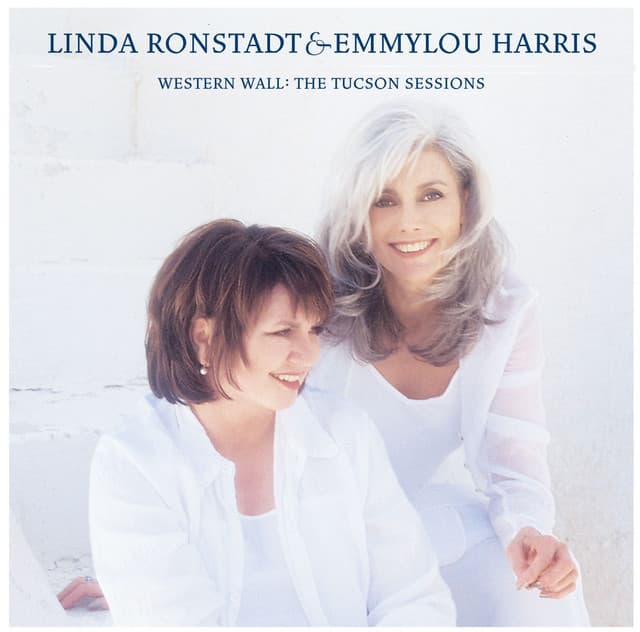
Released in 1999, This Is to Mother You stands as one of the most emotionally resonant moments on Western Wall: The Tucson Sessions, the collaborative album by Linda Ronstadt and Emmylou Harris. While the album itself reached No. 3 on the Billboard 200 and No. 1 on Billboard’s Top Country Albums, this particular song was never designed to chase chart positions. Its power lies elsewhere, in intimacy, restraint, and emotional truth rather than commercial ambition.
This Is to Mother You was written by Sinéad O’Connor and first appeared on her 1994 album Universal Mother. In O’Connor’s original version, the song unfolds as a raw, exposed confession, fragile and confrontational at the same time. When Linda Ronstadt and Emmylou Harris chose to include it on Western Wall: The Tucson Sessions, they did not attempt to replicate that intensity. Instead, they transformed the song into something gentler, almost devotional. Their version feels less like a confession and more like a benediction.
The album Western Wall: The Tucson Sessions was recorded in an informal setting in Tucson, Arizona, with a deliberately stripped-down approach. Mandolin, accordion, and acoustic textures replace studio gloss. This atmosphere allowed both singers to lean into what they do best, emotional clarity through vocal harmony. On This Is to Mother You, their voices do not compete or alternate dominance. They intertwine, moving in parallel lines that suggest shared memory rather than individual perspective.
The song itself addresses the complicated emotional inheritance between mothers and daughters. It acknowledges pain without accusation, gratitude without sentimentality. The lyrics speak of forgiveness that does not erase the past, and love that persists even when understanding fails. In the hands of Ronstadt and Harris, these themes take on added weight. Both artists had reached a reflective stage in their careers by the late 1990s, long past the urgency of proving themselves. What remains is perspective, and that perspective saturates every phrase they sing.
Musically, their rendition slows the song down, allowing space between lines. Silence becomes part of the arrangement. Each pause feels intentional, as if the song itself is thinking before it speaks. The mandolin and accordion are not decorative but supportive, creating a cradle around the vocals. The effect is unmistakably lullaby-like, but not in the sense of childhood innocence. It is the lullaby of adulthood, sung after experience has left its marks.
Critically, Western Wall: The Tucson Sessions was widely praised for its cohesion and emotional maturity. Many reviewers singled out This Is to Mother You as a defining track, precisely because it captured the album’s spirit of reflection and reconciliation. It demonstrated how two legendary voices could step back from their individual identities and serve the song itself.
Within the broader context of both artists’ careers, this recording holds special significance. Linda Ronstadt, known for her genre-crossing brilliance and powerful delivery, shows remarkable restraint here. Emmylou Harris, long admired for her interpretive depth, meets that restraint with empathy rather than flourish. Together, they present a version of the song that feels lived-in, shaped by time rather than urgency.
This Is to Mother You endures not because it demands attention, but because it invites listening. It speaks quietly, trusting that the listener will bring their own memories to the table. In doing so, it becomes less a song about one mother or one daughter, and more a shared emotional space. A place where love, regret, gratitude, and forgiveness coexist without resolution.
In the landscape of late-career collaborations, few recordings achieve this level of sincerity. Linda Ronstadt & Emmylou Harris did not reinterpret the song to make it their own. They allowed it to pass through them, altered by harmony, softened by age, and strengthened by understanding. That is why This Is to Mother You remains one of the most quietly powerful moments in their shared legacy.