
A Quiet Elegy About Fathers, Time, and the Things We Learn Too Late
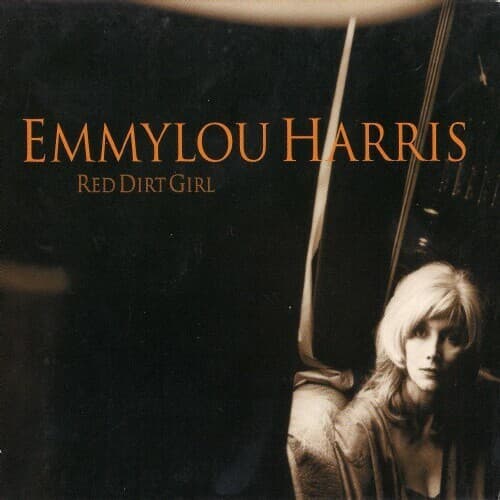
Released in 2000 on the album Red Dirt Girl, “Bang the Drum Slowly” stands as one of the most intimate and emotionally restrained songs in Emmylou Harris’s long and distinguished career. Unlike many of her better known recordings, this song was not released as a commercial single and therefore did not enter the Billboard singles charts. Its power was never measured by chart position, but by something far more enduring: its ability to speak softly and honestly about love, memory, and loss. The album Red Dirt Girl itself reached No. 15 on the Billboard Top Country Albums chart and No. 66 on the Billboard 200, marking a significant artistic statement rather than a radio driven success.
“Bang the Drum Slowly” was co written by Emmylou Harris and Guy Clark, and it is, at its core, an elegy for Harris’s father, who passed away in 1993. The song did not come easily. Harris has spoken candidly about how difficult it was to write something so close to her own life. Grief, especially when it concerns a parent, does not always arrive with language ready to be shaped into song. Distance was required, both emotional and temporal, before the words could be trusted.
The result is a composition that avoids sentimentality and instead leans into quiet observation. The title itself, borrowed from the baseball themed novel by Mark Harris, suggests restraint. To bang the drum slowly is to acknowledge loss without spectacle, to honor a life without shouting. That philosophy governs the entire song. There are no grand gestures here, no dramatic crescendos. The emotion is steady, grounded, and deeply human.
Guy Clark’s role in the song was essential. He knew Harris’s father personally and understood how to frame ordinary details in a way that reveals character. Clark had a rare gift for seeing people clearly, often through small, practical moments rather than heroic myths. Harris recalled how Clark admired her father’s balance between remarkable experiences and everyday humility. Flying Corsair jets during military service coexisted with making coffee and working on cars. That contrast becomes central to the song’s emotional gravity. A life is remembered not only for what was exceptional, but for what was quietly dependable.
One small lyrical detail speaks volumes about the songwriting process itself. During their collaboration, Clark suggested the word “Arlington,” referencing the famous national cemetery. Harris later clarified that this particular detail was not literally true, but it remained in the song because of its symbolic weight. This decision reflects a deeper truth about songwriting. Accuracy of feeling can sometimes matter more than strict factual precision. The word carried resonance, dignity, and a sense of national memory that aligned with the song’s emotional landscape.
Musically, “Bang the Drum Slowly” is sparse and unadorned. The arrangement leaves space for reflection, allowing the lyrics to breathe. Harris’s vocal performance is controlled and restrained, shaped by years of experience and emotional discipline. There is no attempt to impress. Instead, the voice serves the story, steady and clear, like someone speaking at a graveside who understands that silence can say as much as sound.
Within the context of Red Dirt Girl, the song plays a crucial role. The album marked a period where Emmylou Harris turned inward, exploring memory, family, and the long road that leads from youth to maturity. While the title track addressed childhood and identity, “Bang the Drum Slowly” confronts what comes later, the reckoning with time and the awareness of what was not learned when it could have been.
For listeners with long lives behind them, the song carries particular weight. It speaks to the universal realization that parents are often understood most clearly after they are gone. Skills left unlearned, questions left unasked, and moments taken for granted all surface quietly in the aftermath. The song does not accuse or regret. It simply observes, allowing the listener to recognize those truths without judgment.
In the broader arc of Emmylou Harris’s career, “Bang the Drum Slowly” may not be among her most famous recordings, but it is among her most honest. It represents a meeting point between personal loss and artistic clarity, guided by the steady hand of Guy Clark. Together, they created a song that does not ask for attention, but rewards it deeply.
In the end, this is not a song about death alone. It is about dignity, memory, and the quiet ways love endures. The drum is banged slowly, not because the moment is small, but because it deserves respect.