
A Dream of Love, Art, and Mortality Where Memory and Myth Become One
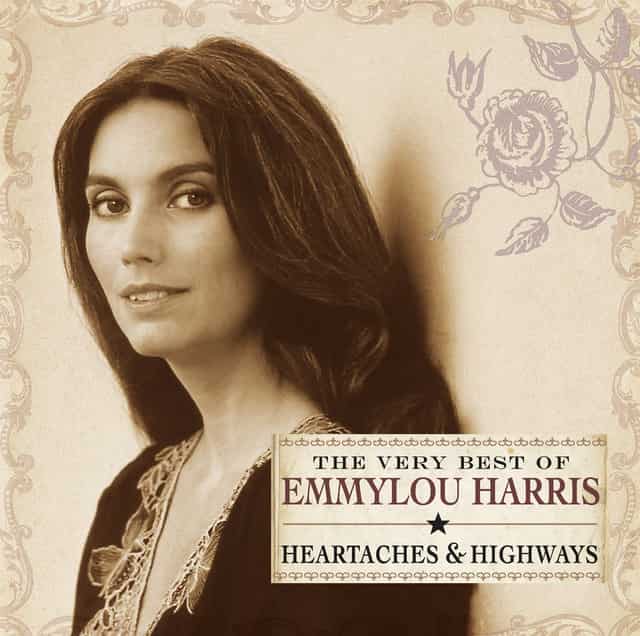
Released in 2000 on the album Red Dirt Girl, “Michelangelo” stands as one of the most poetic and inward-looking works in Emmylou Harris’s long and luminous career. While the song itself was never released as a commercial single and therefore did not appear on the Billboard singles charts, its parent album achieved notable success, reaching No. 4 on the Billboard Top Country Albums chart and No. 26 on the Billboard 200. More importantly, Red Dirt Girl earned Harris the Grammy Award for Best Contemporary Folk Album, marking a powerful artistic rebirth after years of personal loss and creative silence.
Placed early in the album’s sequence, “Michelangelo” functions less like a traditional song and more like a waking vision. It is built on dreams rather than narrative, memory rather than chronology. Harris does not sing a story that unfolds linearly. Instead, she invites the listener into a series of nocturnal images, each one charged with longing, regret, and unanswered questions. The repeated opening line, “Last night I dreamed about you,” acts as both an invocation and a confession. What follows is not about a single man, or even a single relationship, but about the way love persists after time, distance, and loss have done their work.
The title “Michelangelo” is deliberately symbolic. It evokes the Renaissance master known for carving beauty out of stone, for finding the human soul trapped inside marble. In Harris’s song, Michelangelo becomes a shape-shifting figure: artist, pilgrim, warrior, martyr, lover. He appears older, scarred, kneeling by a river, riding a blood-red pony, dying in a field of thorns and roses. These images are not meant to be decoded literally. They reflect how memory transforms people over time, how the mind reshapes the past into something half sacred, half imagined.
The song was written by Emmylou Harris herself, a rarity earlier in her career but central to Red Dirt Girl, an album that marked her full emergence as a deeply personal songwriter. Much of the record was shaped by grief, particularly the death of her close friend and collaborator Gram Parsons years earlier. While “Michelangelo” does not name him or any other real person, it carries the emotional weight of unresolved goodbyes and unspoken words. The recurring question, “Could you hear me calling out your name?” cuts to the heart of the song’s meaning. It is about the fear that love may go unheard, unremembered, or lost to time.
Musically, “Michelangelo” is restrained and spacious. The arrangement leaves room for the words to breathe, supported by subtle instrumentation that never intrudes on the vocal. Harris sings with a quiet authority, her voice no longer youthful but richer for its wear. There is no attempt to impress, only to tell the truth as gently as possible. This restraint mirrors the song’s themes: acceptance rather than resolution, reflection rather than closure.
Within Red Dirt Girl, “Michelangelo” serves as a meditation on art, faith, and impermanence. References to Armageddon, Paris burning, angels turning to ashes, and warriors fallen in battle suggest a world where history and personal memory collapse into one another. Yet amid all this grandeur, the song remains intimate. Silk bandanas, whispered names, and private dreams ground the imagery in human tenderness.
More than two decades after its release, “Michelangelo” endures not because it chased charts or radio play, but because it speaks to something timeless: the way love survives in memory, reshaped by imagination, softened by sorrow, and carried quietly through the years. In this song, Emmylou Harris does not offer answers. She offers recognition. And sometimes, that is enough.