
A song about youthful wisdom learned too early, and the quiet courage of simply carrying on
Among the many songs that seem to age alongside their listeners, “These Days” stands apart as a rare meditation on regret, restraint, and emotional self-awareness—written by Jackson Browne when he was barely out of his teens, yet sounding as if it were composed by someone who had already lived several lives.
“These Days” was written by Jackson Browne in 1964, when he was just sixteen years old. That fact alone has become part of the song’s enduring mystique. How could someone so young articulate such emotional gravity without falling into melodrama? The answer lies in Browne’s instinctive understanding of limitation—knowing when not to act, not to speak, not to chase what once seemed essential. Long before he became a defining voice of the California singer-songwriter movement, Browne had already found a language of quiet reckoning.
The song first entered the public ear through Nico, who recorded it for her 1967 album Chelsea Girl. Her fragile, distant delivery framed the song as something almost ghostly—less a confession than a memory already fading. Though the album did not produce major hit singles, “These Days” gradually gained stature as a cult favorite, admired for its emotional restraint and poetic clarity rather than chart performance. It was never a commercial smash upon release, but its survival has proven far more impressive than any fleeting chart position.
Jackson Browne would not officially record his own definitive version until 1973, on his second album For Everyman. By then, his voice had deepened, both literally and emotionally. His reading of “These Days” is warmer, more grounded, and quietly resolute. If Nico’s version feels like someone drifting through loss, Browne’s feels like someone who has learned how to live beside it. The arrangement—anchored by acoustic guitar and gentle orchestration—allows the song’s emotional architecture to breathe. Nothing is rushed. Nothing is overstated.
Lyrically, “These Days” is built on a series of negations: I’ve been afraid of changing / ‘Cause I’ve built my life around you. Yet what gives the song its power is not what the narrator does, but what he deliberately chooses not to do. He won’t go chasing illusions. He won’t revisit old wounds. He won’t pretend that time can be reversed. This is not the language of bitterness, but of acceptance—an acknowledgment that survival sometimes means choosing stillness over desire.
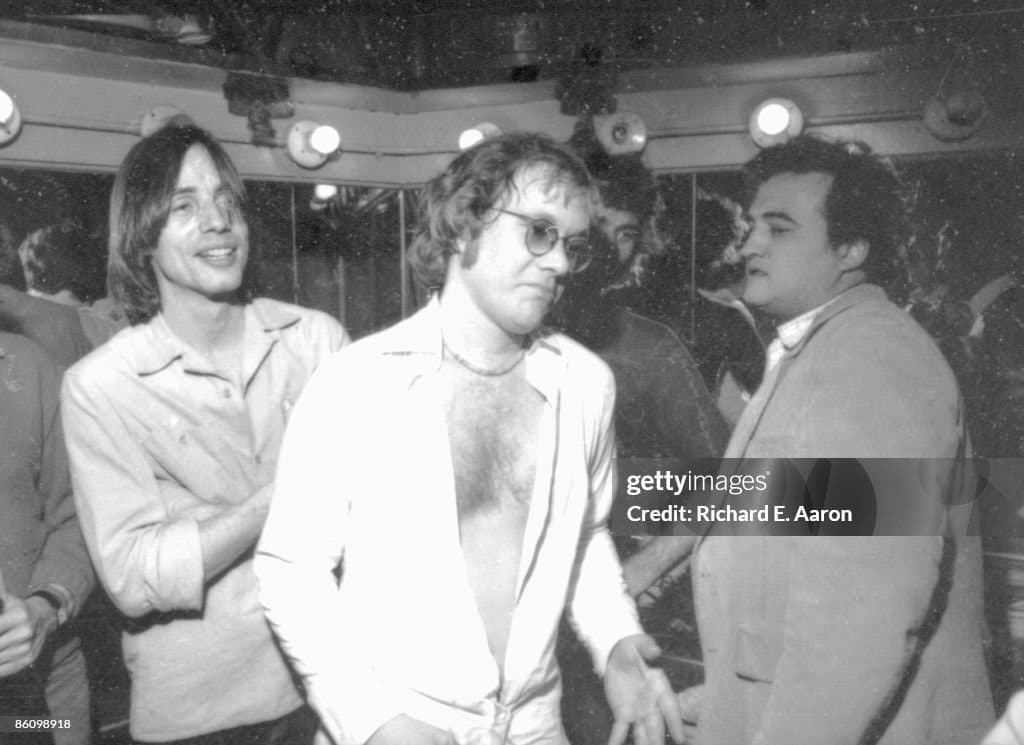
The connection to Warren Zevon adds another layer of resonance. Browne and Zevon shared a deep creative and personal bond that extended over decades—one built on mutual respect, sharp wit, and an unflinching honesty about life’s darker corners. Warren Zevon later performed “These Days” in concert, most notably captured on his 1993 live album Learning to Flinch. Zevon’s delivery is more weathered, edged with irony and lived-in weariness. Where Browne offers contemplation, Zevon brings experience. Yet the song holds both voices with equal grace, proving its emotional elasticity.
In Zevon’s hands, “These Days” sounds less like youthful reflection and more like a reckoning after storms have already passed. The song becomes a companion piece to Zevon’s own catalog—full of hard truths, gallows humor, and an underlying tenderness that often hid behind bravado. That two such different artists could inhabit the same song so convincingly speaks to its depth and universality.
Over time, “These Days” has become something more than a song. It is a quiet place people return to when the noise of ambition fades, when memory grows heavier, and when the future demands fewer answers than it once did. It does not offer solutions. It offers recognition. In doing so, it respects the listener’s intelligence and emotional history.
Perhaps that is why “These Days” continues to resonate so deeply. It does not chase relevance; it waits patiently. And when it finds you—often later in life than expected—it feels less like something you discovered, and more like something that has been waiting for you all along.
 Oldies Songs