
A Gentle Dance of Memory and Loss, Where Love Slips Away to the Turn of a Waltz
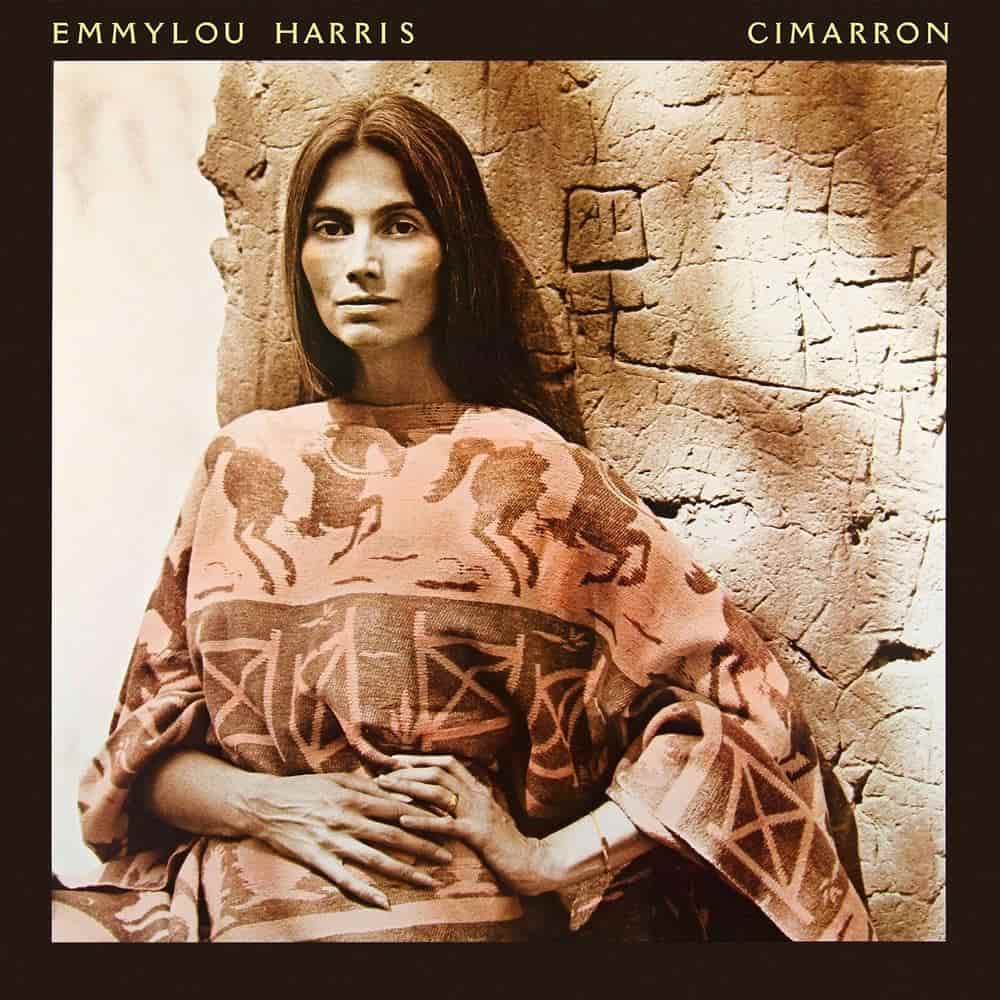
When Emmylou Harris released “Tennessee Waltz” in 1981 as part of her album Cimarron, it was not an attempt to modernize a classic or to outshine the many voices that had sung it before her. Instead, it was an act of quiet reverence. Her recording entered the Billboard Hot Country Singles chart and climbed to No. 7, a respectable and telling position for a song already deeply woven into American musical memory. That chart success mattered not because it revived a hit, but because it proved that a song born decades earlier could still speak, clearly and painfully, to hearts that had lived a little longer and loved a little deeper.
Originally written in 1946 by Pee Wee King and Redd Stewart, “Tennessee Waltz” became one of the most enduring standards in country and popular music, most famously recorded by Patti Page in 1950. By the time Emmylou Harris approached it more than thirty years later, the song was no longer just a composition. It was a shared memory, a slow dance carried across generations. Harris understood that history, and she chose not to disturb it.
Her version, recorded for Cimarron, is restrained, almost conversational. The arrangement is spare, leaning gently on traditional instrumentation, allowing the melody to breathe. Most importantly, her voice carries the song not as a performance, but as a recollection. There is no dramatic flourish, no overt sorrow. The heartbreak comes quietly, as it often does in real life.
The story told in “Tennessee Waltz” is deceptively simple. A narrator dances with a beloved, encounters an old friend, introduces the two, and watches helplessly as the dance becomes a betrayal. By the end of the song, love has been lost, not through cruelty or malice, but through a moment of human closeness that went one step too far. That is precisely why the song endures. The loss feels accidental, and therefore irreversible.
In Harris’s hands, the line “I remember the night and the Tennessee Waltz” becomes a refrain of memory rather than regret. She sings it as someone who has long since accepted what happened, yet cannot forget it. This is not the pain of a fresh wound. It is the ache that settles in after years of remembering the same moment, replayed endlessly in the mind, always with the same outcome.
Cimarron, released during a transitional period in Harris’s career, often receives less attention than her earlier landmark albums. Yet “Tennessee Waltz” stands as one of its emotional anchors. The album itself reflects themes of distance, change, and quiet resilience. Within that context, this song feels less like a cover and more like a confession borrowed from another era.
What sets Emmylou Harris apart in this recording is her ability to honor tradition while speaking in her own emotional language. She does not dramatize the theft of the sweetheart. She lets the listener feel it in the spaces between the lines. Her phrasing lingers just long enough to suggest that the memory still hurts, even if the tears have dried.
For listeners who have lived through love gained and love lost, “Tennessee Waltz” as sung by Emmylou Harris feels familiar in a deeply personal way. It recalls evenings when music played softly in the background, when dances were slow, and when moments carried consequences that could not be undone. The song does not accuse. It simply remembers.
That is why this version endures. It does not demand attention. It waits patiently, like a memory that surfaces when the room grows quiet. In the end, “Tennessee Waltz” is not about betrayal alone. It is about how certain songs, like certain moments, stay with us forever, turning gently in time, long after the music has stopped.