
A haunting meditation on forgotten veterans and the quiet tragedies hidden behind ordinary doors
When Swamp Dogg chose to reinterpret “Sam Stone”, he was stepping into sacred territory. The song was originally written and recorded by John Prine and released in 1971 on his self-titled debut album John Prine. That album itself peaked at No. 39 on the Billboard 200, modest by commercial standards but towering in artistic impact. Though never a major hit single—largely due to its controversial subject matter—“Sam Stone” became one of the most devastating and enduring songs in the American songwriting canon. Over the decades, it has been covered by numerous artists, but Swamp Dogg’s interpretation stands out for the way it reframes the narrative through a Southern soul lens, giving new weight to its quiet despair.
The original “Sam Stone” was written during a time when America was wrestling with the aftermath of the Vietnam War. The song tells the story of a returning soldier who comes home broken—not by visible wounds, but by addiction and emotional trauma. The line “There’s a hole in Daddy’s arm where all the money goes” remains one of the most chilling and unforgettable lyrics in American folk music. It is stark, almost brutally plainspoken, and yet it pierces the heart with a force that few protest songs ever achieve.
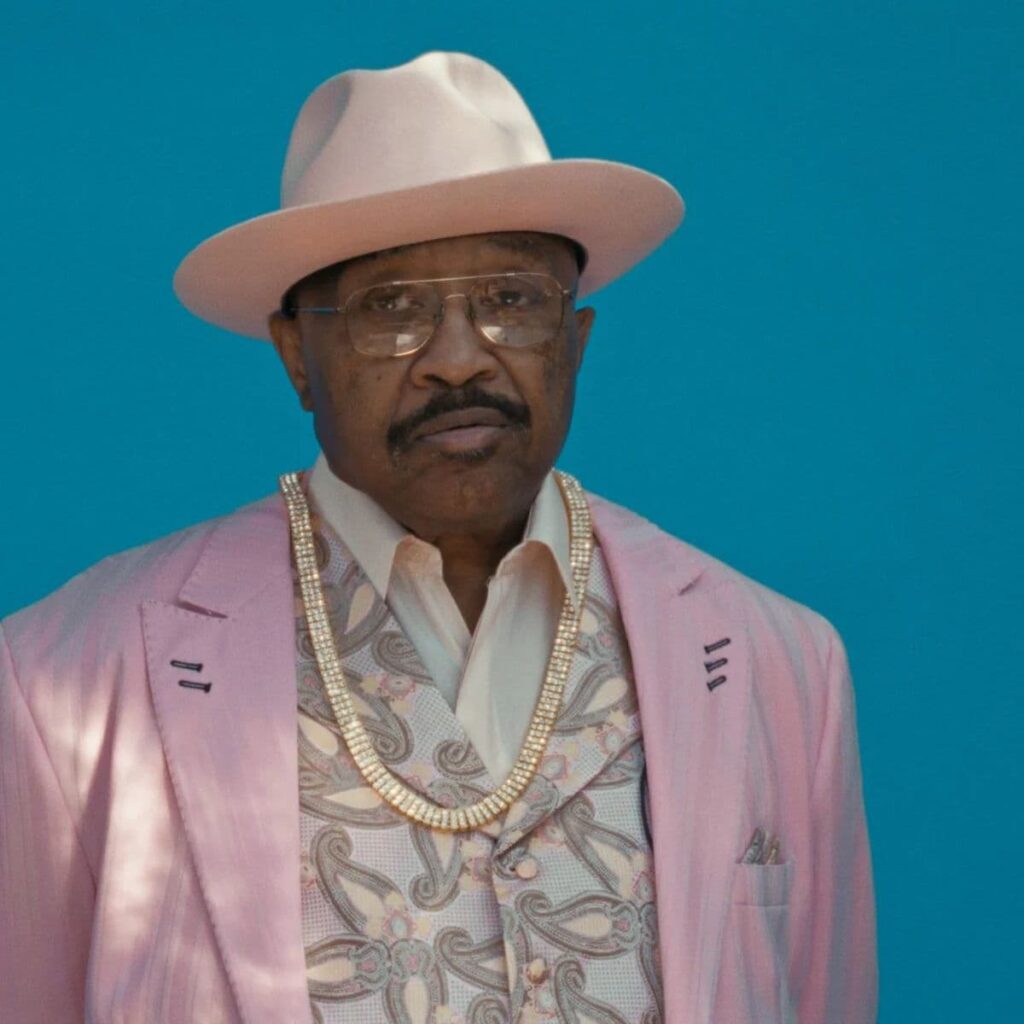
When Swamp Dogg, a maverick figure in soul and R&B known for blending social commentary with raw emotional truth, took on “Sam Stone”, he didn’t merely cover it—he inhabited it. His voice, weathered and expressive, carries a different kind of ache than Prine’s Midwestern restraint. Where Prine’s original feels like a quiet observer narrating from a distance, Swamp Dogg sings as though he has lived down the street from Sam Stone, perhaps shared a drink with him, perhaps watched the slow unraveling firsthand.
Swamp Dogg, born Jerry Williams Jr., had already established himself as a fearless and unconventional artist by the early 1970s. His albums such as Total Destruction to Your Mind blurred genre boundaries and challenged expectations. His decision to record “Sam Stone” was consistent with his artistic identity: he gravitated toward material that spoke uncomfortable truths about American life—poverty, war, disillusionment, and moral hypocrisy. In his hands, the song shifts slightly in emotional texture. The folk roots remain, but there is a gospel-inflected sorrow in his delivery, as if the song were being sung in a dimly lit Southern church where grief and redemption sit side by side.
The meaning of “Sam Stone” has only deepened with time. Though written about a Vietnam veteran, its themes transcend any single war. It speaks to the forgotten casualties—the men who return home but never truly come back. It addresses addiction not as moral failure, but as a symptom of deeper wounds. It exposes how families suffer in silence, how children witness things they do not yet understand. And it does so without sentimentality. That restraint is precisely what makes it so powerful.
Commercially, the song never climbed the singles charts, likely due to its somber tone and explicit references to drug use—elements that radio programmers in the early 1970s found uncomfortable. Yet its cultural resonance far exceeded chart positions. “Sam Stone” became one of John Prine’s signature compositions and is frequently cited among the greatest songs ever written in the Americana and folk traditions. Artists from various genres have paid tribute to it, recognizing its lyrical craftsmanship and emotional honesty.
Swamp Dogg’s version, while not a charting hit either, reinforces the song’s universality. His interpretation reminds us that great songs are living things. They breathe differently depending on who sings them. In his voice, the story feels less like a cautionary tale and more like a shared memory—something whispered across decades.
Listening to “Sam Stone” today, whether in John Prine’s original recording or in Swamp Dogg’s soulful interpretation, one cannot help but feel the weight of time. It carries the echo of front porches, late-night radio, and the uneasy quiet that follows the end of a war. It is not merely a song about one man. It is about a country learning, slowly and painfully, that the cost of conflict does not end when the soldiers come home.
And perhaps that is why the song endures. Because beneath its simple melody and unadorned storytelling lies a truth that refuses to fade: some wounds are invisible, some battles continue long after the headlines disappear, and sometimes the saddest stories are the ones told in the calmest voices.