
A Quiet Confession of Love and Loyalty in the Language of Outlaw Country
When “You Ask Me To” first reached listeners in 1973, it arrived not as a loud declaration, but as a hushed promise spoken straight from the heart. Written by Billy Joe Shaver and Waylon Jennings, and first recorded by Waylon Jennings for the landmark album Honky Tonk Heroes, the song climbed to No. 8 on the Billboard Hot Country Songs chart upon its release as a single. That chart position matters, because it marked more than commercial success. It signaled that a new emotional honesty had found its way into mainstream country music, carried on the shoulders of the Outlaw movement.
At its core, “You Ask Me To” is a love song stripped of ornament. There are no grand metaphors, no poetic disguises. Instead, there is a man speaking plainly, admitting weakness without shame. The opening line, simple and devastating, sets the tone immediately: a willingness to do anything asked, even when the cost is personal surrender. In a genre often dominated by bravado, this quiet vulnerability was radical.
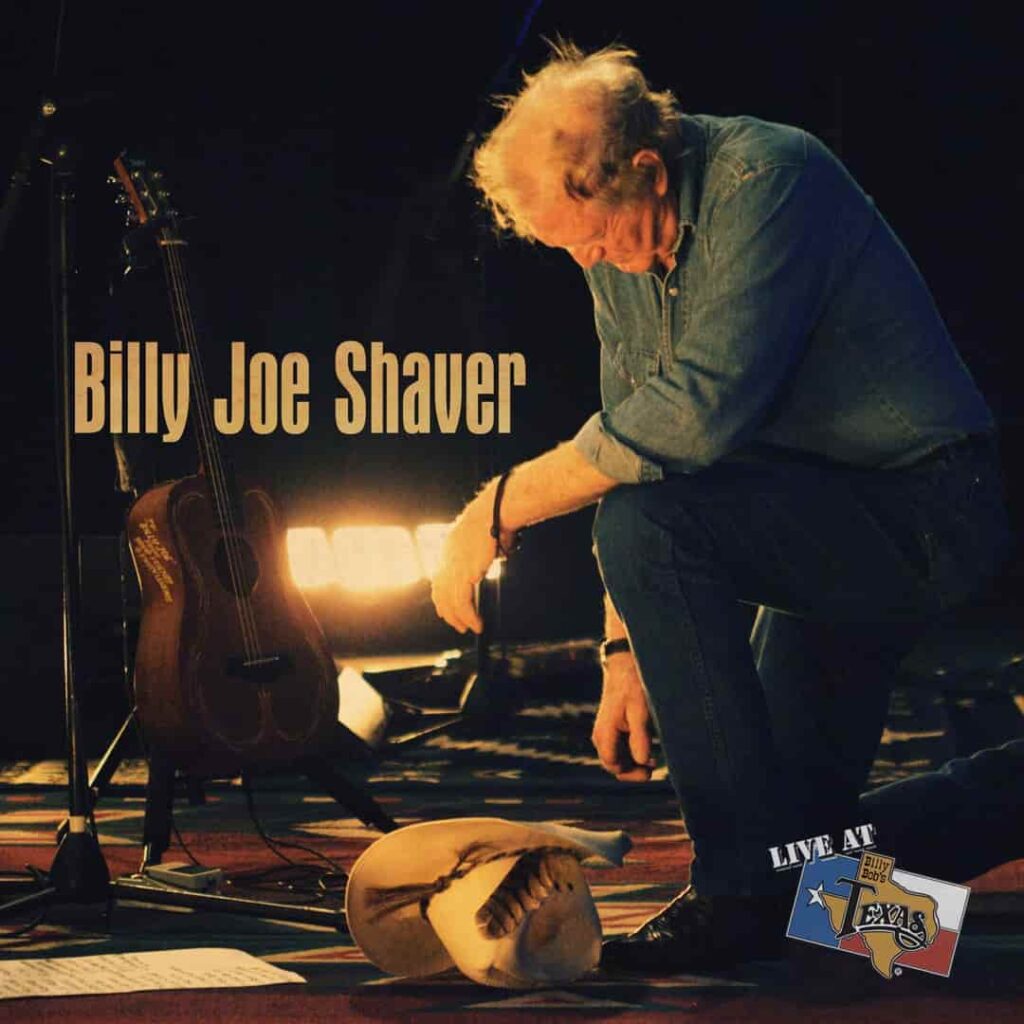
The story behind the song is inseparable from Billy Joe Shaver himself. Known for his hard living, plainspoken philosophy, and deeply spiritual undercurrent, Shaver wrote from experience rather than imagination. By the early 1970s, he had already lived several lifetimes worth of heartbreak, addiction, and redemption. His songwriting reflected a man who understood devotion not as romance, but as endurance. When Shaver brought “You Ask Me To” to Waylon Jennings, it resonated immediately. Jennings was in the process of reclaiming artistic control from the Nashville system, and this song fit perfectly into that rebellion, not through anger, but through emotional truth.
Included on Honky Tonk Heroes, an album now widely regarded as one of the cornerstones of Outlaw Country, “You Ask Me To” stood out for its restraint. Surrounded by songs about defiance, independence, and self determination, this track offered a counterbalance. It suggested that real strength might lie in choosing loyalty over ego. Jennings’ vocal performance is measured, almost conversational, as if he is speaking directly to one person in a quiet room. That intimacy helped the song connect deeply with listeners and carried it into the Top 10.
Lyrically, the song explores a form of love rooted in acceptance rather than illusion. The narrator does not promise happiness or certainty. Instead, he offers presence. He acknowledges pain, mistakes, and the inevitability of struggle. Yet he remains. This emotional maturity is why the song continues to resonate decades later. It speaks to love as something sustained through years, not moments.
In 1977, Billy Joe Shaver finally recorded his own version of “You Ask Me To” for his album Gypsy Boy. By then, the song had already entered the country canon, but Shaver’s interpretation added another layer of meaning. His voice, rougher and more weathered than Jennings’, carries the weight of lived experience. Notably, the recording features Willie Nelson on guitar and harmony vocals, an understated but powerful collaboration. Nelson’s presence feels symbolic, three Outlaw figures united by a shared belief in honesty over polish.
Unlike Jennings’ version, Shaver’s recording was not released as a single and did not chart. Yet its importance lies elsewhere. It feels like an author reclaiming his own words, reading them aloud after years of reflection. Where Jennings sounds resolute, Shaver sounds vulnerable. Both readings are true, and together they reveal the song’s depth.
Over time, “You Ask Me To” has become a quiet standard, frequently cited as one of the most emotionally sincere songs of the Outlaw era. It has been covered by other artists and remains a staple for those who value songwriting rooted in truth rather than trend. Its endurance lies in its humility. The song never demands attention. It simply waits, confident that those who have lived long enough will understand.
In the end, Billy Joe Shaver did not write a song about perfect love. He wrote about chosen love. And that distinction, subtle as it may seem, is what gives “You Ask Me To” its lasting power.