
A crowded roadside barroom of American life, where laughter, chaos, and truth collide in one unforgettable night
When “Choctaw Bingo” appeared on James McMurtry’s 2002 album Saint Mary of the Woods, it did not arrive with the usual trappings of commercial success. It did not storm the Billboard Hot 100, nor did it climb the glossy pop charts of its era. In fact, it never charted there at all. Yet over time, this song has earned something far more durable than chart positions: a permanent place in the American storytelling tradition. Among listeners who value songs that feel lived-in rather than manufactured, “Choctaw Bingo” quickly became one of McMurtry’s most recognized and requested works, especially on Americana and roots-music radio.
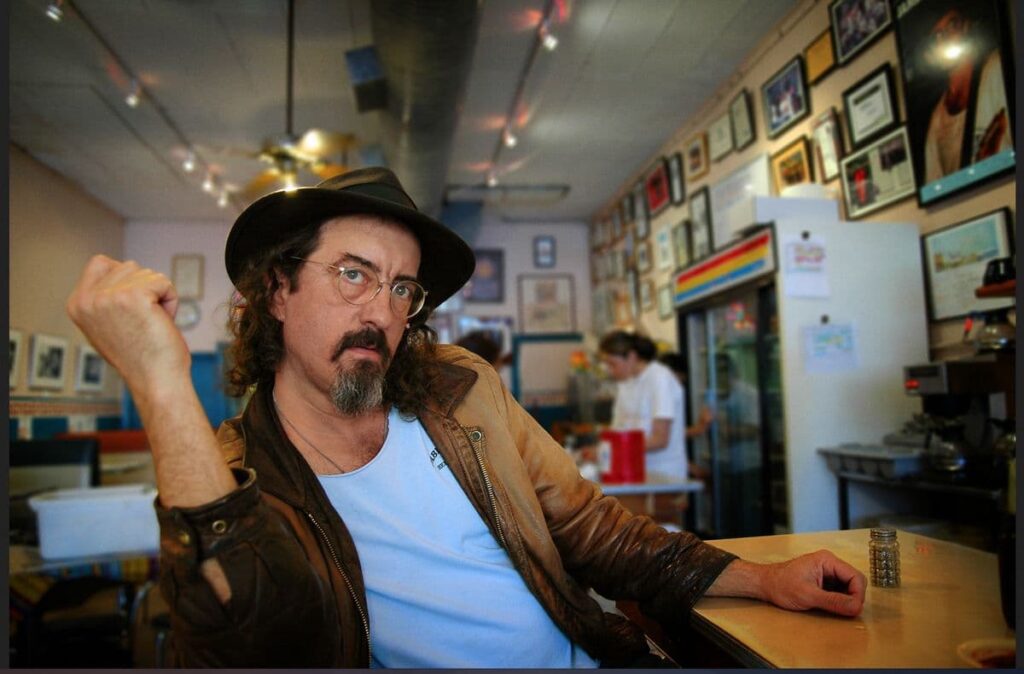
At the top of its story stands James McMurtry, a songwriter long admired for his unsentimental eye and literary discipline. The son of novelist Larry McMurtry, he inherited not privilege but pressure: the demand to observe closely and write honestly. With “Choctaw Bingo,” he delivered one of the sharpest portraits of rural American family life ever set to music—without romantic gloss, without cruelty, and without apology.
The song unfolds like a camera panning across a single chaotic family gathering somewhere in Oklahoma or North Texas. There is no central hero, no moral sermon, and no tidy resolution. Instead, McMurtry introduces a parade of relatives and acquaintances: cousins just out of prison, uncles who drink too much, women holding families together through sheer force of will, children absorbing everything. Names, places, and habits pile up with relentless detail. The effect is overwhelming by design. Life, McMurtry suggests, is not neat. It arrives all at once.
Musically, “Choctaw Bingo” is deceptively simple. Built on a steady, driving groove with roots in country-rock and heartland folk, the arrangement leaves space for the lyrics to dominate. McMurtry’s vocal delivery is flat, controlled, and almost conversational. He never raises his voice for drama. That restraint is crucial. The song’s power lies in the contrast between the calm narrator and the wildness of the scenes he describes. Violence, humor, tenderness, and absurdity coexist, just as they do in real families.
The backstory of the song reinforces its authenticity. McMurtry has often spoken about how “Choctaw Bingo” grew from overheard conversations, regional memories, and fragments of real lives. It is not autobiography in a literal sense, but emotional truth distilled from long observation. This is why the song feels so specific—and so universal. Listeners recognize their own relatives in these characters, even if the names and accents differ.
Over the years, “Choctaw Bingo” has taken on a second life beyond the studio recording. It became a staple of McMurtry’s live shows, where audiences often shout along with familiar lines. It was famously covered by Ray Wylie Hubbard, whose heavier, rowdier version helped introduce the song to an even broader roots-rock audience. Each interpretation confirmed what listeners already sensed: this was a modern folk standard, a song sturdy enough to survive retelling.
The deeper meaning of “Choctaw Bingo” lies not in shock value or regional color, but in empathy. McMurtry does not mock his characters, nor does he sentimentalize them. He simply shows them, flaws intact, bound together by blood, geography, and history. Beneath the noise and excess, there is loyalty. Beneath the dysfunction, there is survival. The song quietly argues that dignity can exist even in messy places.
More than two decades after its release, “Choctaw Bingo” endures because it respects the listener’s intelligence and memory. It trusts that lived experience matters. For those who have watched families gather and scatter over the years, who have seen joy and trouble share the same table, the song feels less like entertainment and more like recognition. In that sense, James McMurtry did not just write a song—he documented a way of life, and preserved it in three chords and a relentless truth-telling voice.