
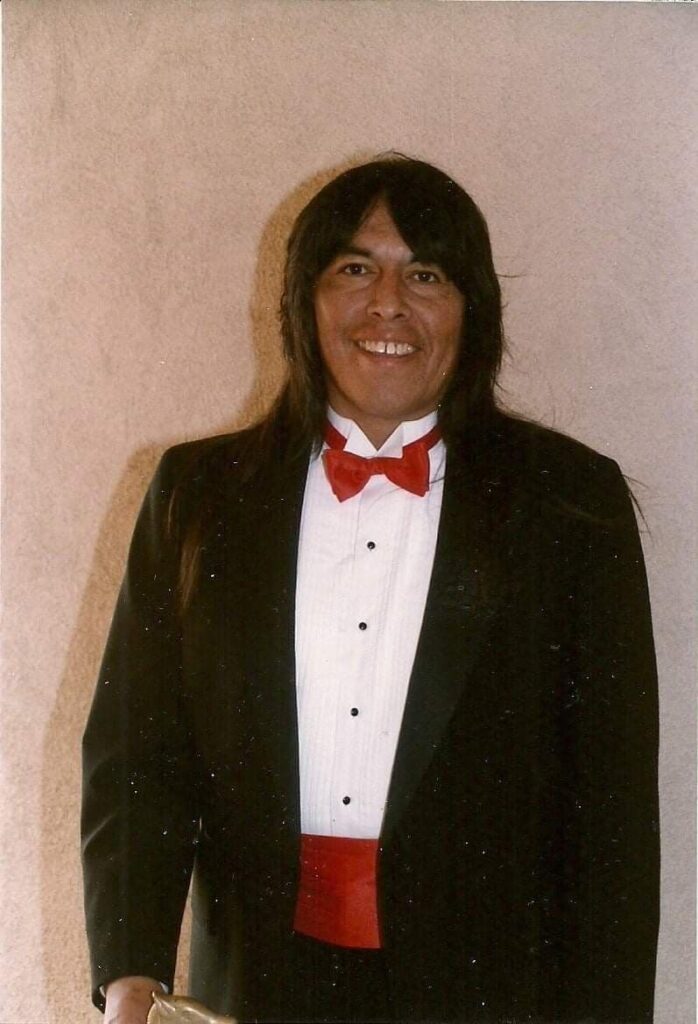
Washita Love Child — a quiet hymn of roots, resilience, and a soul shaped by the land
There is a certain kind of song that does not ask to be noticed, yet once heard, it stays with you for a lifetime. “Washita Love Child” by Jesse Ed Davis is one of those songs — unassuming, deeply rooted, and carried by a voice that seems to rise directly from the earth itself. Released in 1971 on his self-titled debut album Jesse Davis, the song did not climb the charts or claim a place on radio countdowns. And yet, like so much of Davis’s work, its true power lies not in numbers, but in truth.
Jesse Ed Davis was never a man chasing stardom. He was a musician’s musician — respected, sought after, and quietly essential. By the time Washita Love Child appeared, Davis had already played alongside some of the most significant artists of his era, lending his guitar and his spirit to recordings by Eric Clapton, Taj Mahal, John Lennon, and George Harrison. Yet when he stepped forward under his own name, what he offered was not spectacle, but identity.
The title “Washita Love Child” speaks volumes before a single note is played. The Washita River, flowing through Oklahoma, was more than a geographical reference; it was a symbol of home, heritage, and belonging. Davis, who was of Native American descent, carried his roots quietly but firmly into his music. This song feels like a personal introduction — not a biography, but a declaration of origin. It says: this is where I come from, this is who I am.
Musically, the track unfolds with a relaxed, soulful groove, blending rock, blues, and a hint of country without ever settling fully into one category. That refusal to be boxed in mirrors Davis himself. His guitar work is fluid and expressive, never flashy, always purposeful. Each note seems to breathe, leaving space for reflection. His voice — warm, slightly rough around the edges — carries the lyrics with a calm authority, as if he is telling a story he has lived many times over.
Lyrically, Washita Love Child is less about romance in the conventional sense and more about lineage and survival. The “love child” is not simply a product of passion, but of place — born of river water, red soil, and a complicated history. There is pride here, but also acceptance. Davis does not romanticize hardship; he acknowledges it, absorbs it, and moves forward with quiet strength.
For listeners who have known what it means to come from somewhere deeply personal — somewhere that shaped their values long before the world had opinions — the song resonates in a profound way. It recalls a time when identity was formed not by image, but by experience; when music served as testimony rather than performance.
The album Jesse Davis itself stands as a snapshot of an artist fully formed, even at the beginning of his solo career. Produced with a raw, organic feel, it allowed Davis’s songwriting and musicianship to speak plainly. Washita Love Child sits near the heart of that record, grounding it in authenticity. It does not seek approval; it offers presence.
There is also a sense of quiet defiance in the song. In an industry that often overlooked artists like Davis, he chose to speak in his own voice, on his own terms. No trend-chasing, no grand statements — just honesty. And perhaps that is why the song has aged so gracefully. It belongs to no era, only to memory.
Listening to “Washita Love Child” today feels like opening an old photograph — one that may have faded at the edges, but whose emotional clarity remains intact. It reminds us of a time when music could be deeply personal without being self-indulgent, when songs carried the weight of lived experience rather than performance polish.
Jesse Ed Davis may never have been a household name, but songs like this ensure that his spirit endures. Washita Love Child is not just a track on a debut album; it is a quiet affirmation of roots, resilience, and the enduring bond between a musician and the land that raised him. And for those who listen closely, it offers something rare: the sound of a man at peace with who he is, and where he comes from.
 Oldies Songs