
A Hymn of Gratitude from the Edge of the Road to the Center of the Stage
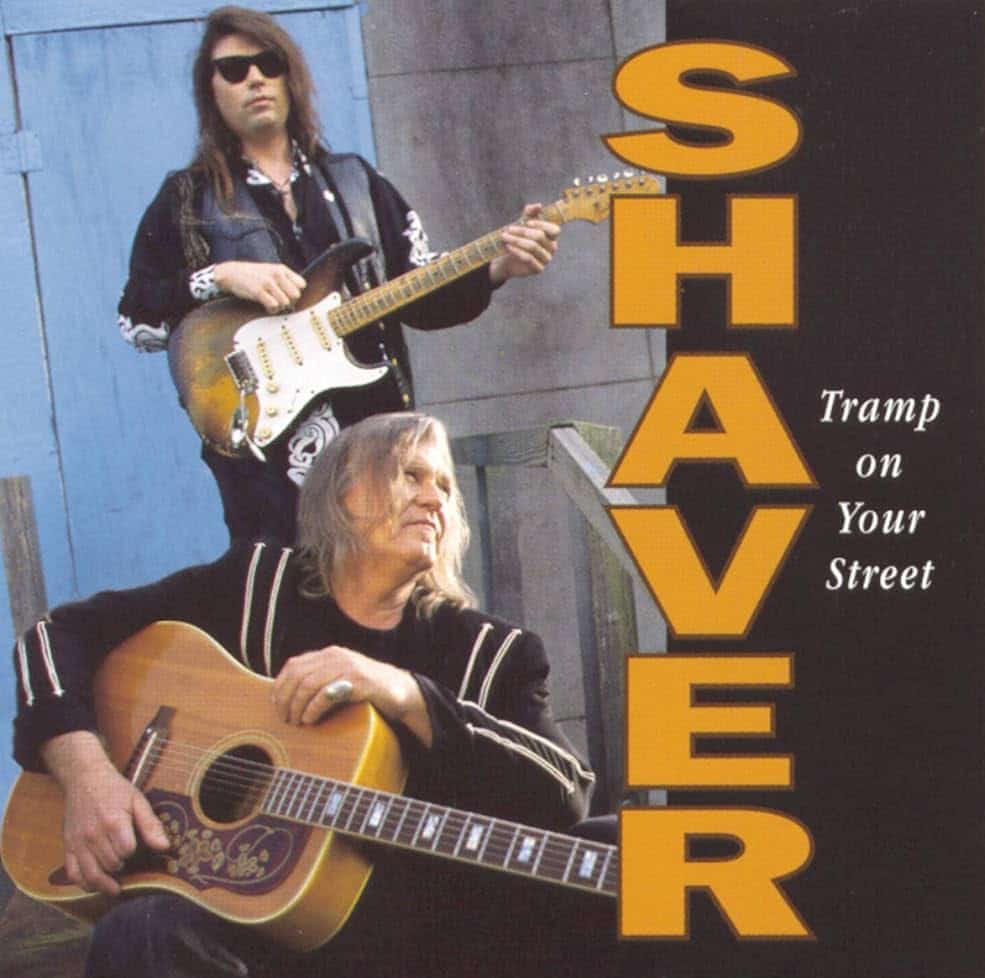
Released in 1993 as the title track of the album Tramp On Your Street, credited to Shaver the duo of Billy Joe Shaver and his son Eddy Shaver “Tramp On Your Street” stands as one of the most heartfelt statements in the Outlaw Country canon. The album did not register on the major Billboard country album charts, a reminder that by the early 1990s Shaver was no longer chasing radio singles or commercial rankings. Yet chart placement feels almost irrelevant in this case. The song’s endurance has been measured not in numbers, but in reverence by listeners, fellow songwriters, and generations of musicians who understand what it means to live for the song itself.
By 1993, Billy Joe Shaver was already a revered architect of the 1970s Outlaw movement, the writer whose songs helped define Waylon Jennings’ landmark 1973 album Honky Tonk Heroes. But Shaver himself had never been a conventional star. His voice carried the grain of hard miles; his life bore the scars of poverty, loss, and stubborn faith. “Tramp On Your Street” distills that biography into four simple minutes.
The opening verse recalls a formative pilgrimage: as a young man in Texas, Shaver walked miles along railroad tracks just to hear Hank Williams perform. The image is not poetic invention. Shaver often spoke of idolizing Hank, absorbing not only his melodies but his spiritual intensity. In the lyric, Hank’s “body was worn but his spirit was free.” That line reads almost like self-portraiture. It is both tribute and confession. Shaver saw in Williams a blueprint for sacred vulnerability the idea that country music, at its best, is a direct conversation between wounded souls.
Musically, the recording is spare and intimate. Eddy Shaver’s electric guitar work, lyrical yet restrained, provides a gentle halo around his father’s weathered vocal. There is no grand production flourish, no calculated crescendo. Instead, the arrangement breathes. It feels closer to a testimony than a performance. That restraint aligns perfectly with the song’s central metaphor: “Just a tramp on your street.” The singer positions himself not as a conquering hero, but as a stray dog grateful for kindness.
This metaphor carries deep emotional weight. In a genre that often celebrates pride and independence, Shaver dares to foreground humility. He sings of having “my soul at your feet and my heart in your hand.” It is an act of surrender not to fame, not to industry power brokers, but to the audience. The song functions almost as a benediction offered from artist to listener. He does not promise victory. He does not claim success. “I don’t have to win and I don’t have to lose,” he insists. In that declaration lies the quiet rebellion of the Outlaw spirit: freedom from the scoreboard.
The song’s meaning expands further in the final verses, shifting from singular to collective: “We’re just tramps on your street.” Father and son, band and audience, perhaps even humanity itself all wanderers seeking shelter. In live performances, the refrain often felt communal, as though the boundary between stage and seats had dissolved. It was never about spectacle. It was about belonging.
There is poignant hindsight in listening today. Eddy Shaver would pass away in 2000 at just 38 years old. Knowing that, the tenderness between father and son on this recording becomes almost unbearable. The guitar lines feel like conversations unfinished. The gratitude feels doubled.
Within the broader landscape of country music history, “Tramp On Your Street” represents something rare: a mature artist looking back without bitterness. Shaver had known commercial disappointment, personal tragedy, and industry neglect. Yet this song carries no resentment. Instead, it offers thanks. It honors the audience who “opened yourself and held me inside.” It affirms a philosophy of living for today, throwing away the pay, counting blessings rather than trophies.
For those who have followed the winding road of country music from the raw poetry of Hank Williams to the rebellious thunder of the Outlaw era this song feels like a circle closing. It is not merely a track on a 1993 album. It is a summation of a life lived in service to song. A reminder that sometimes the greatest dignity lies not in standing above the crowd, but in standing humbly among them, grateful for a place on the street.
 Oldies Songs